What You Will Actually Experience During A Standard Liposculpture
- Written by: Times Media
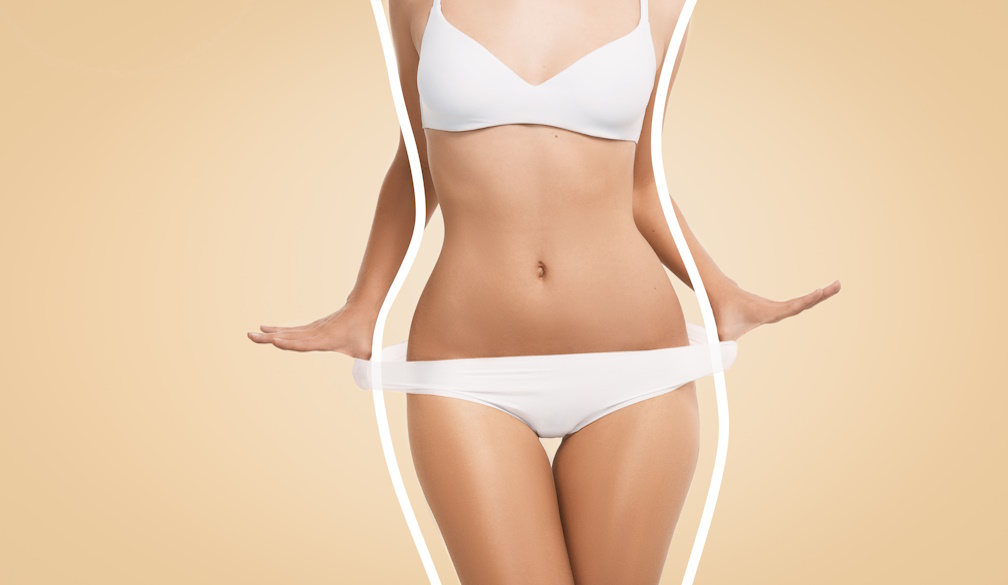
Deciding to physically reshape your body through cosmetic surgery is an exciting and highly personal journey. However, you may feel extremely nervous about the actual medical process simply due to a lack of factual information. Understanding the exact clinical sequence of events reduces your anxiety and helps you prepare mentally.
With today's technology, cosmetic fat removal is a refined and highly accurate medical procedure that prioritises your comfort. This blog will detail the exact steps you can learn about the cosmetic contouring procedure.
Attend Your Initial Medical Consultation
Before any physical procedure officially begins, you will attend a comprehensive medical consultation with your chosen surgeon. The doctor will thoroughly examine your body shape and openly discuss your specific aesthetic surgical goals. They will carefully assess your skin elasticity to ensure you are a suitable candidate for the treatment.
When you visit a reputable liposculpture Sydney clinic, your personal safety always remains the highest priority. Your surgeon will carefully review your complete medical history to rule out any dangerous health conditions beforehand. This detailed planning ensures you achieve beautifully smooth, highly realistic results that match your initial expectations.
Prepare for the Surgical Procedure
On the actual morning of your surgery, the clinical nursing staff will make you feel incredibly welcome. They will gently guide you to a private room where you will change into a comfortable medical gown. The surgeon will use a special surgical marker to precisely map out the targeted areas.
To ensure your procedure runs incredibly smoothly and entirely safely, the clinic follows these strict preparation steps:
- Taking Photographs: The staff takes private photos to carefully track your visual transformation accurately afterwards
- Checking Vitals: Dedicated nurses will quickly measure your blood pressure and heart rate to confirm medical stability
- Reviewing the Plan: The doctor completely verifies the specific surgical plan with you one final time before beginning
Receive the Local Anaesthetic Fluid
Unlike highly invasive traditional heavy surgeries, this modern procedure typically uses a very effective local anaesthetic fluid. The doctor gently injects this special numbing solution directly into the highly targeted fatty tissue areas.
You will remain fully awake, comfortable, and alert throughout the entire precise fat removal process. Many patients happily listen to their favourite music or chat lightly with the nursing staff during the treatment. You might feel a strange physical pushing sensation, but you are unlikely to experience any sharp pain.
Experience Precise Fat Removal
Once the targeted area is entirely numb, the surgeon carefully makes a few incredibly tiny skin incisions. They insert a very thin, hollow metal tube called a cannula directly into the stubborn fat layer beneath. The surgeon gently moves this tube back and forth to loosen and permanently extract the fat.
To ensure your newly sculpted silhouette looks flawlessly smooth, the surgeon employs these highly precise medical techniques:
- Continuous Sculpting: The doctor constantly feels your skin to ensure the internal fat removal remains perfectly even
- Targeted Suction: The cannula selectively targets only fat cells while safely preserving important surrounding healthy blood vessels
- Tiny Incisions: The minuscule surgical cuts naturally heal and rarely require any heavy, highly visible medical stitches
Enter Your Immediate Post-Operative Recovery
After the precise fat removal is completely finished, the nursing staff will gently clean your skin thoroughly. They will carefully place you into a highly supportive, tight-elastic compression garment to reduce postoperative swelling. You will rest comfortably in the recovery room while the nurses monitor your vital signs.
Because the entire procedure uses local anaesthetic, you will completely avoid the severe nausea often caused by general anaesthesia. You will typically be ready to go home within one or two short hours after the surgery. A trusted family friend must safely drive you home to begin your comfortable weekend recovery.
Step Confidently Into Your Smooth New Shape
Understanding the exact clinical medical process helps you approach your cosmetic journey with immense personal confidence. From the initial medical consultation to the final recovery room, your physical safety always remains paramount.
This newfound knowledge empowers you to make an informed decision. Speak with a highly qualified professional today and take the first exciting step towards your beautiful dream silhouette.