How Water-Based Activities Can Become Part of a Healthy Lifestyle
- Written by: Times Media
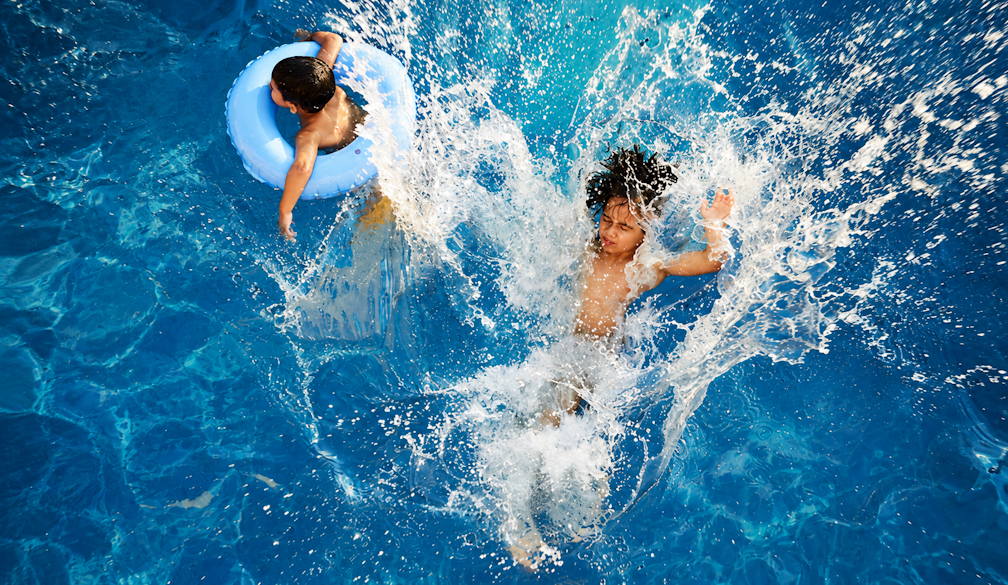
A healthy lifestyle can take many forms and physical activity does not have to be limited to traditional gym workouts or outdoor sports. Water-based activities can provide another way to incorporate movement and recreation into everyday routines while giving people an opportunity to spend time in a different environment.
Swimming, in particular, can be adapted to different preferences and activity levels. Whether someone swims for exercise, relaxation or recreation, making time for water-based activities can become one part of a broader approach to maintaining an active lifestyle.
Swimming Can Be Part of a Wellness Routine
Physical activity is often associated with fitness goals but movement can also become a regular part of maintaining an overall sense of well-being. Swimming provides an activity that can be incorporated into a routine according to a person's available time and preferred pace.
Health considerations can also influence how people approach their daily routines. Headache disorders, for example, are experienced by a significant portion of the world's population. According to the World Health Organization, approximately 40% of people globally are affected by headache disorders.
This prevalence highlights how common headaches can be and why people may pay attention to habits that contribute to their overall well-being. Physical activity is one possible component of a balanced routine, although individual health needs and circumstances can vary.
Swimming can also provide variety for people who want to move without making every workout feel the same. A person might swim laps on one day, participate in a water-based activity on another, or simply spend time being active in the water as part of a recreational routine.
Swimming Can Provide an Active Form of Exercise
Swimming can combine recreation with physical movement, making it possible to incorporate exercise into an activity that many people already enjoy. The pace and duration of a swim can also be adjusted depending on an individual's goals and preferences.
Calorie expenditure is one way to illustrate the physical activity involved. According to Healthline, a person weighing 70 kilograms can burn approximately 920 KJ (220 calories) during 30 minutes of swimming at a moderate pace.
The exact amount of energy used during physical activity can vary but the figure demonstrates that swimming can represent meaningful movement within a relatively short period. Someone who has limited time for exercise may find that incorporating swimming into a routine gives them another way to remain active.
Water-based exercise can also add variety to an otherwise repetitive fitness schedule. Instead of relying on the same activities every week, people can alternate swimming with other forms of movement or use recreational activities to make physical activity more enjoyable.
The most sustainable routine is often one that fits naturally into a person's lifestyle. For some people, that may mean setting aside specific days for swimming, while others may prefer less structured opportunities to be active in the water.
Water Recreation Can Bring Families Into an Active Lifestyle
Swimming does not have to be an individual activity. Pools can provide opportunities for families to spend time together while incorporating movement and recreation into their routines.
Children and adults may approach swimming differently but both age groups can participate in pool activities. According to RubyHome, 36% of children and 15% of adults swim in a pool at least six times each year.
Regular participation can make swimming a familiar part of family life rather than an occasional activity. Families can set aside time for recreational swimming, incorporate pool visits into weekends or simply make use of available opportunities to spend time in the water.
Creating positive routines around recreation can also make physical activity feel less like a chore. When people associate movement with enjoyable experiences, they may be more inclined to continue making room for those activities in their schedules.
For households with access to a pool, swimming can therefore serve multiple purposes. It can provide an opportunity for exercise, recreation, and time together while allowing different family members to participate according to their own interests and abilities.
Water-based activities can fit naturally into a healthy lifestyle by combining movement with recreation. Swimming can provide an adaptable form of physical activity, while pool time can also create opportunities for families and individuals to make movement part of their regular routines.
Whether approached as exercise or recreation, swimming offers another way to build activity into everyday life. The key is finding opportunities that fit individual preferences and making them a consistent part of a balanced routine.