Why A Comfortable Wardrobe and Basic Clothing Improve Your Routine
- Written by: Times Media
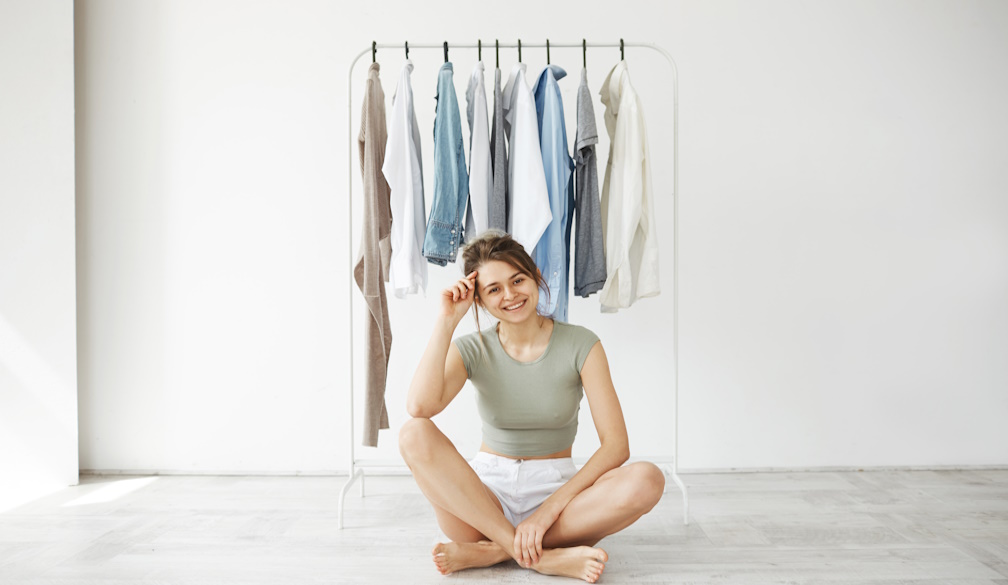
Building a wardrobe around comfortable, high-quality basic clothing simplifies your daily routine. As modern lifestyles require versatile garments, prioritising soft fabrics is essential. Having reliable basics eliminates morning outfit stress while promoting physical comfort. In this article, you will discover how upgrading your everyday apparel transforms getting dressed into a calm, streamlined experience.
Eliminate Decision Fatigue and Streamline Mornings
Making constant daily choices drains mental energy, and struggling with complex outfit choices every morning adds unnecessary stress. Curating your capsule wardrobe from betty basics clothing, for instance, allows you to create coordinated outfits within minutes. In addition to that, classic tees, comfortable pants, and simple dresses match effortlessly, eliminating any morning wardrobe frustration.
Take a look below at what several lifestyle advantages of high-quality basic clothing offer:
- Effortless outfit coordination: Neutral colours and classic cuts pair together naturally without complex styling rules
- Rapid morning preparation: Simple, reliable wardrobe options significantly reduce time spent deciding what to wear each day
- Versatile layering capability: Quality basics serve as ideal base layers under jackets, cardigans, and coats across all seasons
Boost Physical Comfort and All-Day Energy
Uncomfortable clothing with stiff seams causes subtle physical irritation that drains your daily energy. Soft cottons and relaxed silhouettes allow full freedom of movement, promoting physical comfort. Keep in mind that experiencing physical ease directly improves focus, mood, and daily productivity.
Choosing breathable natural textiles also regulates body temperature, keeping you feeling relaxed. Avoiding tight waistbands or scratchy fabrics reduces physical fatigue and promotes relaxation. When your clothing moves with your body, you can focus on your daily activities without constant adjustments.
Maximise Wardrobe Versatility and Easy Style Transitions
High-quality basic garments excel at adapting to shifting daily environments with simple accessory changes. A classic jersey dress or basic tee-and-pant combo works for relaxed working from home, but can be elevated instantly with a blazer and boots for afternoon meetings. Always remember that choosing versatile clothing eliminates the need for multiple outfit changes during busy days.
Basic wardrobe pieces transition effortlessly across different daily activities with the information below:
- Morning errands to the office: Pair basic cotton pants with casual sneakers for morning school runs, then swap to loafers and a jacket for work
- Workday to evening dinner: Elevate a simple black basic dress with gold jewellery and heels for an evening dinner catch-up
- Active weekend wear: Combine soft stretch tees with denim jackets and flats for relaxed weekend markets and travel
Support Sustainable Shopping and Financial Savings
Investing in durable wardrobe basics reduces the urge to participate in fast-fashion trends that fade quickly. High-quality basic garments maintain their shape, colour, and fabric integrity through repeated washing cycles. Choosing quality over quantity builds a sustainable, long-lasting wardrobe collection.
Buying fewer, higher-quality essentials saves substantial money over time while reducing textile waste. Plus, timeless cuts remain stylish year after year, protecting you from changing fashion cycles. Don’t forget that choosing sustainable wardrobe choices benefits both your wallet and the environment.
Foster Mindful Self-Care and Mental Clarity Through Dressing
Curating a streamlined closet of comfortable basics encourages a more mindful approach to daily consumption and personal presentation. Shedding excessive clothing clutter creates a serene, organised physical environment that directly reduces cognitive overload before your day even begins. Focusing on wearable comfort reminds you to focus on self-care and physical ease amidst demanding schedules.
Cultivating Effortless Style and Everyday Comfort
Prioritising comfortable, high-quality wardrobe basics transforms your dressing routine into an easy, enjoyable part of your day. By reducing morning decision fatigue, promoting physical comfort, and offering unmatched outfit versatility, basic clothing enhances your daily lifestyle. Investing in timeless, well-made essentials saves time, reduces stress, and ensures you look polished and feel confident.