Why Visiting The Aviation Museum in Perth Tops WA Itineraries
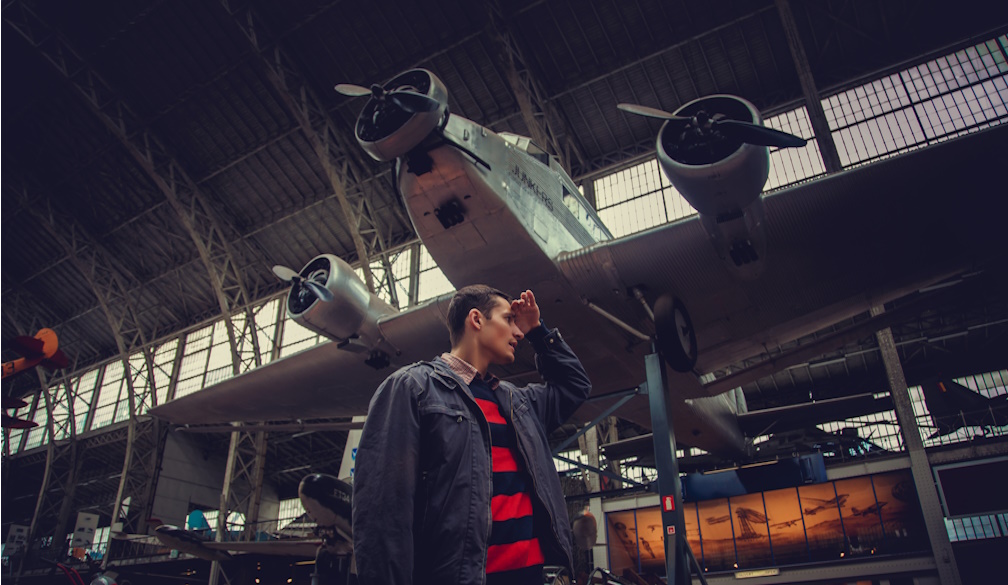
Western Australia offers vast landscapes and historical sites for tourists and residents alike. While natural attractions draw heavy crowds, the region also holds technological and military history. Understanding how aviation shaped the development and defence of this state provides crucial historical context.
Adding these technical exhibits to your travel schedule provides a deeper understanding of local infrastructure. Read on to discover why visiting certain aviation museum exhibits enhances your regional itinerary.
Preserving Regional Aviation History
The sheer geographical size of Western Australia made early exploration and medical transport difficult. Aviation bridged these massive distances, allowing communities to survive and industries to develop in remote areas. The state relied on early aircraft for mail delivery, aerial surveying, and the Royal Flying Doctor Service.
When you plan to visit the museum Perth branch, you encounter the airframes that opened the outback. The facility houses aircraft that mapped the coastline and transported passengers across the desert safely. Reviewing these machines provides factual information about the mechanical challenges faced by early regional pilots.
Examining Military Aircraft Engineering
During global conflicts, Western Australia served as a strategic base for aerial defence and maritime patrol operations. The museum curates a collection of military aircraft that operated in the Pacific and European theatres. You can inspect the physical engineering of heavy bombers, nimble fighter planes, and versatile transport aircraft.
The military exhibits provide close access to these specific historical airframes and components:
- Fighter Interceptors: Displays the aerodynamic designs required for high-speed aerial combat and manoeuvrability
- Maritime Patrol: Features the heavy aircraft used to track submarines and protect coastal shipping lanes
- Engine Cutaways: Shows the internal mechanical workings of massive radial and early jet turbine engines
- Armament Displays: Exhibits the defensive turrets and payload bays engineered into the bomber aircraft
Engaging with Volunteer Restoration
Preserving vintage aircraft requires thousands of hours of skilled mechanical labour and structural fabrication. The museum operates an active restoration facility where volunteers rebuild degraded airframes to museum-quality standards. You can observe these restoration projects in progress during your visit to the hangar.
This active workshop environment demonstrates the complex logistics involved in heritage aviation preservation. The volunteers, often retired engineers or pilots, provide factual explanations of the mechanical work they execute. You gain direct knowledge regarding the materials and tools used to keep these machines intact.
Accessing Rare and Unique Airframes
Uniquely, the Perth facility preserves and displays rare aircraft types. Some airframes in the collection represent the only surviving examples of their kind in the Southern Hemisphere. The museum houses specific commercial airliners and military jets that retired from service decades ago.
Standing beneath the wings of a heavy Lancaster bomber provides a physical understanding of its massive scale. The collection includes early helicopters that demonstrate the mechanical evolution of rotary-wing flight. Viewing these rare physical artefacts affirms the historical significance of the museum's curation efforts.
Supporting STEM Education Initiatives
Flight mechanics demonstrate physics, meteorology, and structural engineering. The museum serves as a critical educational resource for students studying science, technology, engineering, and mathematics. This scientific approach grounds the historical narrative in verifiable physical laws.
The facility supports educational outcomes through these specific structured learning environments:
- Aerodynamic Displays: Explain the physical forces of lift, weight, thrust, and drag using physical models
- Navigation Tools: Shows how early pilots used celestial navigation and radio beacons before GPS technology existed
- Material Science: Demonstrates the transition from wood and canvas construction to modern lightweight aluminium alloys
- Guided Tours: Provides structured information sessions led by experts to align with educational curriculum requirements
Add Aviation History to Your Itinerary
Understanding the development of Western Australia requires acknowledging the critical role of aviation. The aviation museum provides factual, physical evidence of the engineering achievements that connected the region. You learn more about how flight shaped modern logistical networks.
Be sure to include educational activities that highlight the region's history in your itinerary. Visit the heritage aircraft displays today to understand the mechanical history that shaped modern Australia.