Arc Furnace vs Induction Furnace Transformers: Understanding the Difference
- Written by: Times Media
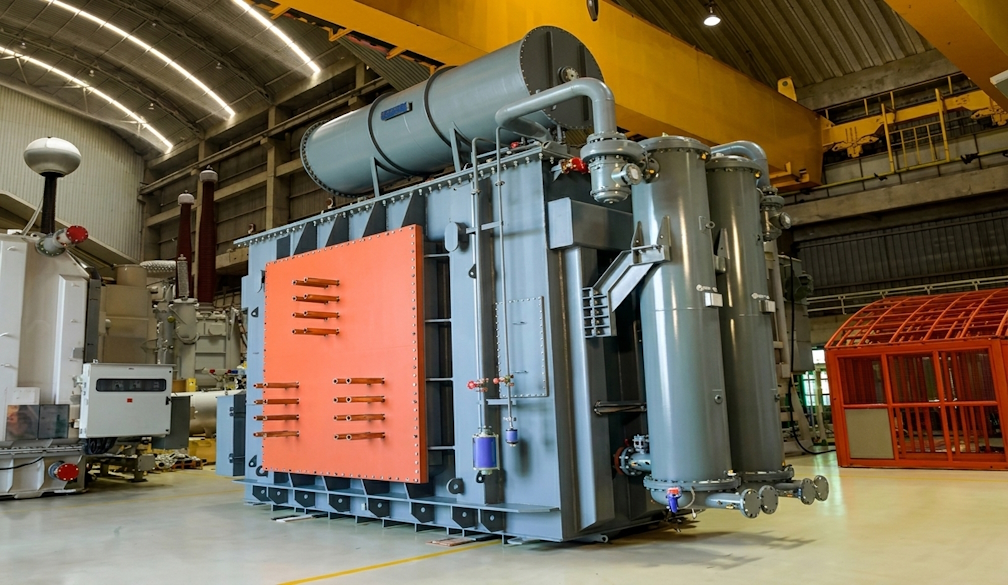
Choosing the right furnace transformer is an important decision for metal processing facilities because the transformer has to work with the electrical characteristics, operating cycle, and power requirements of the furnace. Arc furnaces and induction furnaces both play an important role in melting and processing metals, but they use electricity in very different ways. Because of this, their transformer requirements are also different.
For Australian steel plants, foundries, smelters, and other energy-intensive industrial operations, understanding this difference can make it easier to evaluate equipment for a new installation or a plant upgrade. While both transformer types are designed for demanding furnace applications, their electrical behaviour, voltage requirements, current demands, and operating conditions are not the same.
How does an arc furnace transformer work?
An arc furnace transformer supplies electrical power to an electric arc furnace, where an electric arc is used to generate the intense heat required for melting metal. The furnace operates under demanding electrical conditions, including rapid changes in load and high current levels. The transformer therefore needs to be designed for the specific characteristics of arc-furnace operation rather than simply being selected as a standard industrial transformer.
Arc furnace transformers are associated with high secondary currents and wide output-voltage regulation. This allows the electrical supply to be adjusted according to the requirements of the furnace during different stages of operation. TARIL also specifies arc-stabilising series reactors as part of its furnace-transformer solutions, where required for the application. These reactors can help with arc stability, current limitation and reduction of electrical flicker.
The electrical conditions can be particularly severe during melting. Changes in the arc can produce demanding operating conditions for the transformer and associated electrical equipment. For this reason, arc furnace transformers are engineered with attention to thermal performance, mechanical strength, voltage regulation, cooling and protection.
TARIL's current published range includes Arc Furnace Transformers up to 400 MVA and 120 kA. These figures represent the company's stated capability range and should not be treated as a standard rating for every arc furnace installation. The appropriate specification depends on the furnace design, process requirements, electrical system and project conditions.
How does an induction furnace transformer differ?
An induction furnace melts metal using electromagnetic induction rather than an electric arc. The electrical energy is transferred through an induction system to generate heat within the metal charge. This means the transformer and associated power equipment have to support a different type of electrical load from an arc furnace.
Induction furnace applications can require stable electrical performance and carefully matched voltage and current characteristics. The transformer forms part of a wider electrical system in which the furnace power supply and operating configuration must work together correctly.
TARIL currently lists Induction Furnace Transformers with ratings up to 25 MVA and 24-pulse operation. As with its arc furnace range, the actual transformer specification needs to be selected according to the particular furnace, power system, pulse arrangement and operating requirements rather than simply choosing a transformer based on its maximum published rating.
What is the main difference between arc and induction furnace transformers?
The biggest difference comes from the way the furnace produces heat. An arc furnace uses an electrical arc, while an induction furnace uses electromagnetic induction. As a result, the transformers are designed around different electrical characteristics and operating conditions.
Arc furnace transformers are generally associated with very high secondary currents, wide voltage regulation and the challenging load behaviour created by arc operation. Induction furnace transformers, on the other hand, are matched to induction-based melting systems and their associated power-conversion arrangements.
This difference is important when selecting equipment because a transformer designed for one furnace application should not automatically be assumed to be suitable for another. Factors such as furnace capacity, voltage range, current, duty cycle, short-circuit conditions, cooling arrangement and the wider electrical system all need to be considered during engineering.
What features matter when selecting a furnace transformer in Australia?
Australian industrial facilities can have demanding operating environments, so transformer selection should begin with the actual electrical and process requirements rather than a generic product specification. The transformer needs to match the furnace and the site's electrical infrastructure.
Voltage regulation is one important consideration, particularly where the furnace requires different operating voltage levels. Cooling is another major factor because furnace transformers operate under substantial electrical and thermal stress. TARIL's furnace transformer solutions include oil- or water-cooled arrangements depending on the application, along with multiple taps for voltage variation and overload protection.
The physical installation also matters. Available space, connection arrangements, cooling requirements, maintenance access and integration with existing equipment can influence the final design. A properly engineered transformer should fit the operating conditions of the facility rather than forcing the facility to work around a generic transformer design.
For Australian buyers comparing transformer suppliers, it is also useful to look beyond the headline MVA rating. Engineering experience, testing capabilities, customisation, cooling design, protection features and the manufacturer's ability to understand the furnace's operating profile can all be important when evaluating a project.
Why is correct transformer selection important for furnace operations?
A furnace transformer operates as part of a complete industrial system. If its characteristics do not properly match the furnace and electrical network, the installation may not deliver the expected operating performance. The transformer therefore needs to be considered together with the furnace, power supply, reactors, protection system and site conditions.
TARIL describes its furnace transformers as customised according to factors such as pulse requirements, duty cycle and load behaviour. Its product range covers electric arc furnace, submerged arc furnace, ladle refining furnace, DC arc furnace and induction furnace transformers.
This approach is particularly relevant for large industrial projects where equipment may need to operate continuously or under demanding production cycles. Proper engineering at the specification stage can help ensure that the transformer is suited to the intended application and operating conditions.
Which transformer should an industrial facility choose?
There is no single furnace transformer that is suitable for every melting application. The right choice depends first on the type of furnace being used. An electric arc furnace requires a transformer engineered for arc-furnace duty, while an induction furnace requires a transformer matched to the induction system and its electrical characteristics.
The next step is to establish the required voltage, current, capacity, duty cycle, cooling method and other site-specific requirements. Project engineers should also consider the existing electrical network and how the furnace load will interact with it.
For Australian industrial projects, working with experienced transformer suppliers can help ensure that the specification is developed around the actual application rather than a standard catalogue selection. TARIL manufactures furnace transformers for industrial applications and supplies solutions for customers in India and international markets, including Australia.
Frequently Asked Questions
Are arc furnace transformers and induction furnace transformers interchangeable?
No. Although both are used for furnace applications, they serve different furnace technologies. Arc furnaces use an electric arc for heating, while induction furnaces use electromagnetic induction. Their electrical characteristics and transformer requirements therefore differ.
What is an arc furnace transformer used for?
An arc furnace transformer supplies the electrical power required by an electric arc furnace. It is designed to handle demanding furnace conditions, including high secondary currents and the need for wide output-voltage regulation.
What is the published capacity of TARIL's arc furnace transformers?
TARIL currently publishes an arc furnace transformer capability of up to 400 MVA and 120 kA. The required rating for an individual project will depend on the furnace and electrical-system specifications.
What is the published range for TARIL induction furnace transformers?
TARIL currently lists induction furnace transformers up to 25 MVA with 24-pulse operation. The appropriate configuration depends on the requirements of the particular induction furnace and power system.
What should Australian industries consider when choosing a furnace transformer?
The furnace type should be the starting point, followed by the required MVA, voltage, current, duty cycle, cooling arrangement, voltage regulation, protection requirements and site conditions. It is also important to work with transformer suppliers that can develop the transformer around the actual furnace and electrical system rather than relying only on a standard rating.