7 Best Dentists in Sydney, Australia
- Written by: Times Media
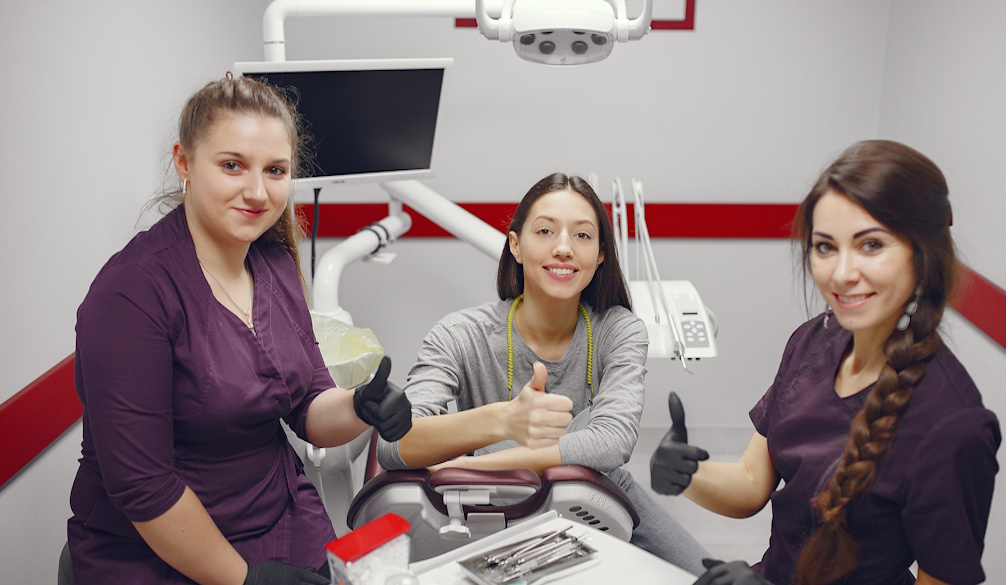
The best dentists in Sydney, Australia are Beecroft Smiles Dental Surgery, Sydney Dental Specialists, Spa Dental Sydney CBD, Pitt Street Dental Centre, North Sydney Dentistry, Boutique Dental Care Sydney, and Macquarie Street Dental. These clinics are recognised for consistent patient care, a broad range of services, and solid reputations across different parts of Sydney.
Sydney has a large number of dental clinics, which makes choosing one more difficult than it should be. Some clinics focus on routine care, while others specialise in cosmetic or complex treatments. At the same time, pricing, communication style, and overall experience can vary significantly between practices.
This guide introduces seven well-known dentists and explains what they are generally known for. The goal is not to promote any single clinic, but to help you understand the differences so you can choose based on your own priorities.
7 Best Dentists in Sydney, Australia
1. Beecroft Smiles Dental Surgery
Beecroft Smiles Dental Surgery is a general dental clinic that provides a wide mix of preventive, cosmetic, and restorative treatments. It is commonly chosen by patients who want a single clinic to manage most of their dental needs over time.
Services Offered
- Routine check-ups and professional cleaning
- Cosmetic treatments such as veneers and whitening
- Dental implants and restorative work
- Emergency dental care
What to Consider
This clinic suits patients looking for ongoing care rather than one-off treatments. Many people prefer clinics like this because they can build a long-term relationship with the dentist, which often leads to more consistent results.
Like most general clinics, the experience can depend on the specific dentist you see. It is always worth having an initial consultation to understand their approach and communication style before committing to larger treatments.
2. Sydney Dental Specialists
Sydney Dental Specialists focuses on more advanced procedures and complex dental cases. It is not a typical general clinic and is often used when patients are referred for specialist care.
Services Offered
- Orthodontics including braces and alignment
- Periodontal (gum) treatments
- Oral surgery
- Complex restorative procedures
What to Consider
This type of clinic is generally suited for patients with specific dental issues that require deeper expertise. For example, gum disease, bite problems, or surgical treatments are usually handled by specialists rather than general dentists.
Because of the specialised nature of the services, appointments may involve more detailed planning and higher costs. However, this is standard across specialist clinics rather than unique to this one.
3. Spa Dental Sydney CBD
Spa Dental Sydney CBD is known for combining dental treatment with a more relaxed and comfort-focused environment. It is often chosen by patients who feel nervous about dental visits or prefer a calmer setting.
Services Offered
- Preventive and general dentistry
- Cosmetic dentistry
- Invisalign and smile design
- Teeth whitening
What to Consider
The main difference with this type of clinic is the overall experience. The environment, communication style, and appointment flow are often designed to reduce stress for patients.
This can be a strong advantage for those who avoid dental visits due to anxiety. However, the pricing may reflect the premium experience, so it is important to weigh comfort against budget.
4. Pitt Street Dental Centre
Pitt Street Dental Centre is located in the Sydney CBD and is particularly convenient for people working in the city. Many patients choose this clinic because it fits easily into a workday schedule.
Services Offered
- General dental care
- Cosmetic procedures
- Crowns and bridges
- Emergency dental treatments
What to Consider
Location is the biggest advantage here. Being in the CBD means easier access for office workers, but it can also mean higher demand during weekdays.
Patients who prioritise convenience often find this type of clinic practical, especially for regular check-ups or quick treatments during lunch breaks.
5. North Sydney Dentistry
North Sydney Dentistry offers a balanced mix of general and advanced dental treatments, with a stronger focus on long-term planning and oral health.
Services Offered
- Preventive dental care
- Dental implants
- Cosmetic dentistry
- Full smile makeovers
What to Consider
This clinic may suit patients who are thinking beyond immediate fixes and want a structured plan for their dental health. Long-term planning can help avoid repeated treatments and reduce costs over time.
However, this approach usually involves more detailed consultations and step-by-step treatment planning, which may not suit patients looking for quick solutions.
6. Boutique Dental Care Sydney
Boutique Dental Care Sydney is more focused on cosmetic outcomes and aesthetic improvements. It is often chosen by patients who want to improve the appearance of their smile.
Services Offered
- Veneers
- Teeth whitening
- Smile design
- General dental services
What to Consider
Cosmetic-focused clinics typically spend more time on visual outcomes and fine details. This can be ideal for patients preparing for events or wanting noticeable improvements.
It is important to understand that cosmetic treatments are usually elective and may not be covered by insurance. Clear cost breakdowns and expectations should always be discussed beforehand.
7. Macquarie Street Dental
Macquarie Street Dental is a long-standing clinic with a broad range of services and a stable reputation in Sydney.
Services Offered
- General dentistry
- Preventive care
- Restorative treatments
- Cosmetic procedures
What to Consider
Established clinics often attract patients who value consistency and experience. Many have been operating for years and follow structured treatment processes.
At the same time, the experience can vary depending on the practitioner within the clinic, so it is still important to assess whether the dentist suits your expectations.
How to Choose the Right Dentist in Sydney
Choosing the right dentist is not just about finding the closest clinic. It is about matching your needs with the clinic’s strengths, approach, and communication style.
Understand Your Main Goal
Start by identifying what you actually need. Some patients only require routine maintenance, while others are looking for cosmetic improvements or complex treatments.
If your needs are simple, a general clinic is usually sufficient. For more complex issues, a specialist clinic may be more appropriate.
Look Beyond Price
Price is important, but it should not be the only factor. Extremely low prices can sometimes lead to rushed appointments or limited treatment options.
Instead, focus on value. This includes:
- Clear explanation of treatment
- Quality of materials used
- Long-term results
Check Communication Style
A good dentist should explain things clearly and without pressure. You should feel comfortable asking questions and understanding your options.
If a clinic avoids giving clear answers or pushes you into decisions quickly, it may not be the right fit.
Consider Long-Term Care
Dental health is ongoing. Choosing a clinic that supports regular check-ups and long-term planning can prevent bigger issues in the future.
This is often more cost-effective than treating problems only when they become serious.
Common Mistakes When Choosing a Dentist
Choosing Based Only on Convenience
While location is helpful, it should not be the main decision factor. A slightly longer travel time can be worth it for better care.
Not Comparing Multiple Clinics
Many people choose the first clinic they find. Comparing at least two or three options can give a clearer picture of pricing and approach.
Ignoring Red Flags
Be cautious if a clinic:
- Offers prices that seem unusually low
- Does not explain treatments clearly
- Recommends procedures without proper assessment
These can be signs to look elsewhere.
Final Thoughts
Sydney has many high-quality dental clinics, but each one offers a slightly different approach. Some focus on convenience, others on comfort, and others on specialised treatments.
There is no universal best choice. The right dentist depends on what you need, how you prefer to be treated, and how comfortable you feel during consultations.
Taking the time to compare options and ask the right questions will make a significant difference in both your experience and long-term dental health.