Smart Ways to Cut Your Vehicle Running Costs Without Compromising Safety
- Written by: Times Media
Aussies are feeling the pinch at the petrol pump, but fuel is only part of the problem. As highlighted in a recent look at the structural crises placing pressure on the cost of living, the true cost of car ownership in Australia has surged. Drivers are battling rising expenses for insurance, registration, financing, and general maintenance. With household budgets stretched completely thin, many motorists are tempted to delay car repairs or skip servicing altogether just to make ends meet. However, neglecting your vehicle is a false economy that often leads to dangerous breakdowns and massive repair bills down the track. Fortunately, balancing the household budget does not mean you have to compromise on the road. There are highly effective, practical strategies to reduce your motoring expenses while keeping your family perfectly safe on your daily commute.
Master the Basics of Tyre Maintenance
Your tyres are the only point of contact between your car and the road. Keeping them in top condition is essential for maintaining grip in wet weather, but it is also one of the absolute easiest ways to save money. When your tyres are under-inflated, your engine has to work significantly harder to push the car forward. According to the NRMA, keeping your wheels inflated to the recommended pressure is a simple and proven way to improve fuel consumption, braking distance, and handling. Checking your tyre pressure every time you fill up your tank takes only a few minutes but delivers immediate savings at the pump.
Eventually, every set of tyres wears out and needs to be swapped to ensure your vehicle remains roadworthy. When it comes time for a replacement, you do not necessarily need to purchase the most expensive premium brand on the market to guarantee safety. Visiting a local tyre shop that offers expert advice, high-quality budget options, or thoroughly inspected second-hand tyres can safely save you hundreds of dollars. Reputable tyre retailers stringently test their second-hand stock to ensure it meets strict Australian safety standards, meaning you can often find tyres with up to ninety percent of their original tread for a fraction of the cost. Look for options with excellent tread life, ensuring you get maximum mileage without paying the premium price tag.
Adopt Fuel-Efficient Driving Habits
How you drive has a massive impact on both your fuel consumption and the daily wear and tear on your vehicle components. Aggressive driving burns through expensive petrol and grinds down your brake pads prematurely. By making a few simple adjustments to your driving style, you can stretch your fuel tank further and extend the lifespan of your mechanical parts.
Consider adopting these money-saving driving habits:
- Accelerate gently: Stomping on the accelerator forces your engine to consume excess fuel. Aim for smooth, steady acceleration when leaving a traffic light.
- Anticipate traffic flow: Look well ahead to avoid sudden, harsh braking. Coasting to a stop naturally reduces wear on your brake rotors and pads.
- Drop the dead weight: Clearing unnecessary heavy items out of your boot reduces the load on your engine and instantly improves overall fuel efficiency.
- Manage your air conditioning: Running the air conditioner at full blast uses extra fuel. At lower speeds, rolling down the windows is often a much more cost-effective way to stay cool.
- Limit short trips: Cold engines use considerably more fuel. Try combining several small errands into one continuous trip to keep the engine operating at its most efficient temperature.
Learn Basic DIY Car Care
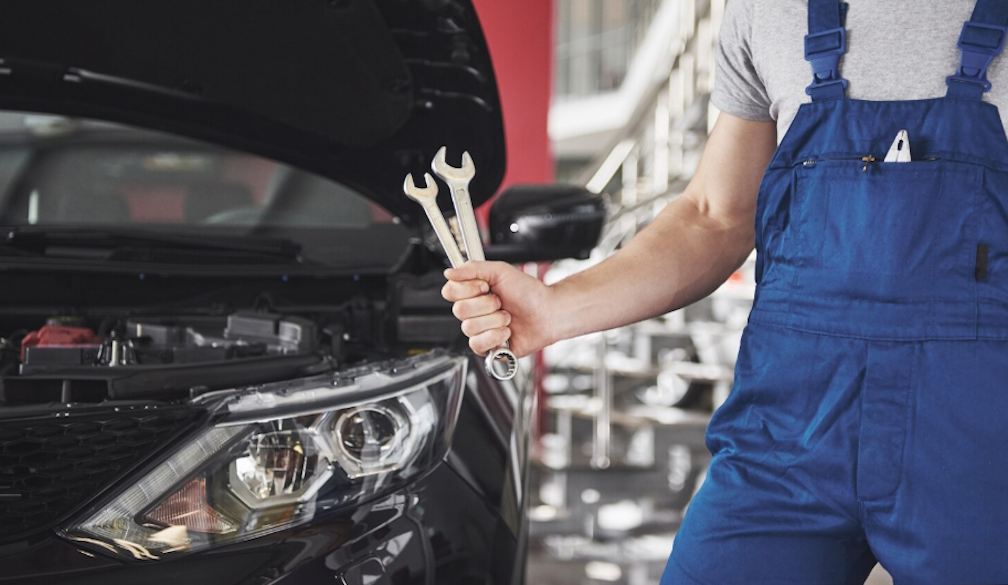
While major mechanical work should always be left to qualified professionals, learning how to perform basic car care at home can significantly reduce your annual maintenance expenses. Simple tasks such as replacing your windscreen wiper blades, topping up your windshield washer fluid, and changing blown headlight bulbs require minimal tools and can be completed in a matter of minutes. Many modern vehicles have easily accessible engine air filters and cabin filters that can be swapped out by following the instructions in your owner's manual. By taking on these minor jobs yourself, you avoid paying expensive labour rates at the dealership or local garage.
Additionally, paying close attention to your vehicle's fluid levels can prevent major disasters. Get into the habit of regularly checking your engine oil, coolant, and brake fluid. If you notice a sudden drop in any of these critical fluids, it could indicate an early leak. Catching a small coolant leak before it causes your engine to overheat can be the difference between a cheap hose replacement and a massively expensive engine rebuild.
Prioritise Preventative Servicing
It is incredibly tempting to ignore a minor squeak or skip a scheduled oil change when funds are tight. Yet, preventative maintenance is the ultimate defence against severe financial shocks. Clean oil lubricates the engine properly, reducing internal friction and preventing catastrophic engine failure that could cost thousands to fix. Similarly, a routine wheel alignment ensures your tyres wear evenly across the tread. If your wheels are misaligned, you will end up replacing your tyres far sooner than expected, completely wiping out any money you thought you saved by skipping the mechanic.
Regular servicing also protects your car's long-term resale value. When you eventually decide to sell or trade in your vehicle, a comprehensive logbook history proves the car has been properly cared for. Buyers are always willing to pay more for a vehicle that does not hide a litany of neglected mechanical issues.
Navigating the rising costs of motoring does not require you to put your safety at risk. By keeping your tyres properly inflated, making smart choices when replacing automotive parts, driving smoothly, and staying on top of basic scheduled servicing, you can effectively manage your running costs. A well-maintained vehicle is cheaper to run, safer to drive, and much more reliable on the open road. Ultimately, a little bit of smart maintenance today will protect your wallet tomorrow.