


How Headless CMS Helps Build Stronger Gaming Communities
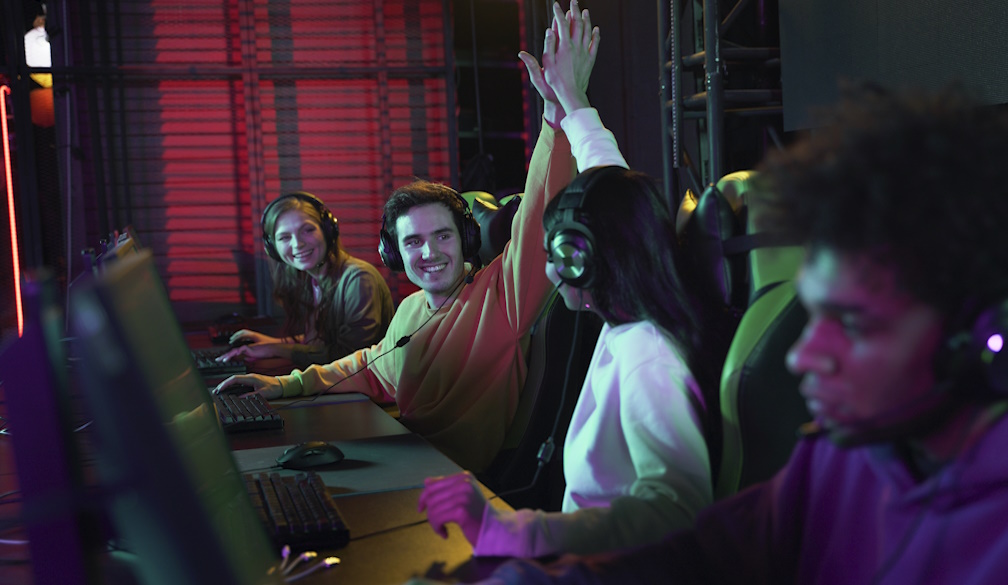
Gaming communities are built through more than gameplay alone. Players stay connected to a game through updates, announcements, live events, patch notes, community stories, tutorials, rewards, creator content, and ongoing communication from the studio. A strong community needs to feel informed, included, and connected across every touchpoint, whether players are inside the game, reading updates on a website, browsing a launcher, using a companion app, or following community content through digital channels.
A headless CMS helps game studios build stronger gaming communities by making content easier to organize, publish, localize, and deliver across platforms. Instead of managing community communication through disconnected tools, studios can centralize player-facing content and distribute it through APIs to the channels where players are active. This allows teams to communicate more clearly, update players faster, support global communities, and create more consistent experiences. For games that depend on long-term player engagement, headless CMS architecture can become a valuable foundation for stronger, more connected communities.
Creating a Central Hub for Community Communication
A strong gaming community needs clear and reliable communication. Players want to know what is happening in the game, what events are active, what updates have changed, and where they can find official information. Additional information can help explain how centralized content management keeps community updates accurate, consistent, and accessible across every player touchpoint. If community content is scattered across separate tools, websites, social posts, launchers, and in-game messages, players may receive different versions of the same information. This can make the game experience feel less organized.
A headless CMS creates a central hub where community communication can be managed in one place. Announcements, event updates, patch notes, developer messages, tutorials, community spotlights, and support content can all be structured and delivered across channels. This makes it easier for studios to keep players informed without duplicating work. When communication is centralized, the community receives a more consistent message, and internal teams can coordinate updates more efficiently.
Keeping Players Updated With Timely News
Gaming communities are strongest when players feel connected to what is happening now. Live events, new features, seasonal updates, reward campaigns, balance changes, and community activities all depend on timely communication. If news is delayed or difficult to find, players may miss important opportunities or feel disconnected from the game’s ongoing development. This is especially important for live games, where content changes regularly.
A headless CMS allows studios to publish timely updates more easily. Content teams can prepare news posts, in-game announcements, launcher updates, and app messages from one structured system. Updates can be scheduled, reviewed, localized, and delivered through APIs to different player-facing channels. This makes the communication process faster and more reliable. Players receive the latest information wherever they engage with the game, helping the community feel active, informed, and connected to the studio’s ongoing work.
Supporting Consistent Messaging Across Platforms
Players often interact with a game community across several platforms. They may read a news post on a website, see an event banner in the game, check a companion app, or open a launcher announcement. If the message changes between channels, players may become confused about event timing, rewards, update details, or community activities. Consistency is essential for building trust.
A headless CMS helps maintain consistent messaging by using one approved content source across multiple platforms. The same event description, update summary, community message, or developer note can be delivered to the game client, website, app, and launcher in platform-appropriate formats. A full article may appear on the website, while a shorter version appears in the game. The presentation can change, but the core message stays aligned. This makes the community experience feel more professional and dependable.
Making Live Events More Community-Focused
Live events are one of the strongest ways to bring gaming communities together. Events can encourage players to return, participate in shared goals, unlock rewards, explore new content, or celebrate seasonal themes. However, events only strengthen community engagement when players understand what is happening, how to participate, and why the event matters. Poorly communicated events can feel confusing or easy to miss.
A headless CMS helps studios manage event content in a structured way. Event pages, in-game banners, reward descriptions, participation rules, countdowns, and community updates can all be connected from one central entry. This allows the studio to build event communication that feels coordinated across channels. Players can discover the event in-game, read more details on the website, and receive reminders through an app or launcher. Clear event communication helps players participate together and strengthens the feeling of a shared community moment.
Highlighting Community Stories and Player Achievements
Gaming communities become stronger when players feel seen. Studios can build engagement by highlighting player achievements, community creations, competitive milestones, event participation, fan stories, and memorable in-game moments. These types of content help players feel that the community is not only built around the game, but also around the people who play it. However, community storytelling can become difficult to manage if it is handled manually across different channels.
A headless CMS can organize community stories as reusable content entries. Each story can include a title, description, images, related event, player segment, region, platform, and publication schedule. These stories can appear on websites, in-game hubs, newsletters, apps, and community pages. By managing stories centrally, studios can keep community content polished and consistent. Highlighting players in an organized way helps build loyalty because it shows that the studio values the people behind the community.
Supporting Better Player Education
Communities grow stronger when players understand the game more clearly. Tutorials, guides, FAQs, event explanations, onboarding content, and feature breakdowns help players learn and participate with confidence. If educational content is hard to find or inconsistent across platforms, players may feel frustrated or rely on unofficial explanations that may not always be accurate. Clear education helps make the community more informed and welcoming.
A headless CMS allows studios to connect educational content directly to the player journey. A new event can link to instructions, a new feature can connect to a tutorial, and a patch note can link to deeper explanations. These resources can appear inside the game, on support pages, in companion apps, or in community hubs. When educational content is structured and reusable, teams can keep it current as the game evolves. Better education helps players engage more deeply and reduces confusion within the community.
Improving Localization for Global Communities
Gaming communities are often global, with players across languages, regions, and time zones. A community update that is clear in one language may need careful adaptation for another market. Events, patch notes, tutorials, community spotlights, and announcements need to feel accessible to players wherever they are. If localization is delayed or inconsistent, some players may feel less included in the community experience.
A headless CMS supports localization by connecting source content with translated versions. Teams can manage language variants, review status, regional notes, and market-specific content within the same system. If an event update changes, localization teams can quickly identify which versions need review. This makes global communication more reliable. Players in different regions receive timely, understandable updates in their own language, which helps the community feel more inclusive and connected across markets.
Connecting Community Content With In-Game Experiences
A community is strongest when it feels connected to the game itself. If community stories, events, guides, and announcements only live outside the game, players may miss them. On the other hand, if community content appears naturally inside the game experience, it can encourage participation and make the world feel more active. In-game community hubs, news panels, event pages, and announcement areas can help bridge this gap.
A headless CMS makes it easier to connect community content with in-game experiences. Structured content can be delivered through APIs to in-game menus, player dashboards, event screens, and news panels. A community spotlight can appear inside the game, while the full story lives on the website. A player challenge can be promoted in-game and supported by detailed guidance in a companion app. This creates a stronger connection between gameplay and community engagement.
Helping Community Teams Work More Efficiently
Community teams often work under fast-moving conditions. They may need to publish announcements, prepare event messaging, respond to player questions, coordinate with live operations, support localization, and update community pages. If they must rely on developers or separate tools for every content update, their workflow can become slow and difficult to manage. This can limit how quickly they communicate with players.
A headless CMS gives community teams more control over content operations. Once developers create the delivery structure, community managers can update approved messages, publish news, attach visuals, schedule announcements, and reuse content across channels. Workflows can still include review and approval steps to protect quality. This gives community teams the flexibility to communicate quickly while staying aligned with studio messaging. Faster and more organized publishing helps communities feel better supported.
Reducing Confusion Around Updates and Changes
Players can become frustrated when they do not understand what changed in a game. Updates may affect gameplay systems, events, rewards, characters, items, or progression. If explanations are unclear or scattered, players may turn to different sources and receive inconsistent information. This can create confusion within the community and make discussions harder to manage.
A headless CMS helps reduce confusion by centralizing update communication. Patch notes, feature explanations, in-game messages, tutorials, and FAQs can be connected around the same update. Players can read a short summary in-game, then follow a link to a fuller explanation if they want more detail. Support teams and community managers can also reference the same approved content when answering questions. This creates a clearer communication loop and helps the community discuss updates with better shared understanding.
Supporting Personalized Community Messages
Not every player needs the same community content. New players may need onboarding guidance and beginner-friendly event explanations, while experienced players may want advanced updates or competitive information. Returning players may benefit from reactivation messages, while highly engaged players may want deeper community involvement. Showing every message to every player can make communication feel noisy and less relevant.
A headless CMS can support personalized community messaging through structured metadata. Content can be tagged by player segment, platform, region, event participation, progression stage, or language. When connected to player systems, the right content can be delivered to the right audience. A new player can see beginner guidance, while a veteran player sees advanced event updates. This makes communication more relevant and helps players feel that the game understands their current relationship with the community.
Managing Community Campaigns More Effectively
Community campaigns can bring players together around shared activities, challenges, celebrations, milestones, or content drops. These campaigns may involve in-game messages, website articles, social content, player spotlights, event pages, reward explanations, and follow-up updates. If the campaign content is managed separately across channels, the experience can become inconsistent and difficult to update.
A headless CMS allows studios to manage community campaigns as structured content experiences. A campaign can include a theme, schedule, announcements, visuals, participation instructions, related rewards, localized versions, and player-facing updates. These elements can be reused across the game client, website, app, launcher, and community pages. This makes campaigns easier to coordinate and more consistent for players. Stronger campaign management helps community activities feel organized, visible, and worth joining.
Conclusion
Headless CMS helps build stronger gaming communities by giving studios a flexible and centralized way to manage player-facing communication. Strong communities depend on timely news, clear event information, helpful tutorials, localized updates, community stories, player education, and consistent messaging across platforms. When this content is scattered across disconnected tools, players may receive mixed messages and teams may struggle to keep communication organized.
With a headless CMS, studios can centralize content, deliver updates across channels, support localization, personalize messages, highlight community stories, and connect content directly with in-game experiences. Internal teams benefit from faster workflows and better collaboration, while players benefit from clearer information and a stronger sense of connection. As games continue to grow as live and social experiences, headless CMS architecture provides the content foundation needed to support communities with consistency, trust, and long-term engagement.










