How Electrical Upgrades Can Make Older Homes Safer
- Written by: Times Media
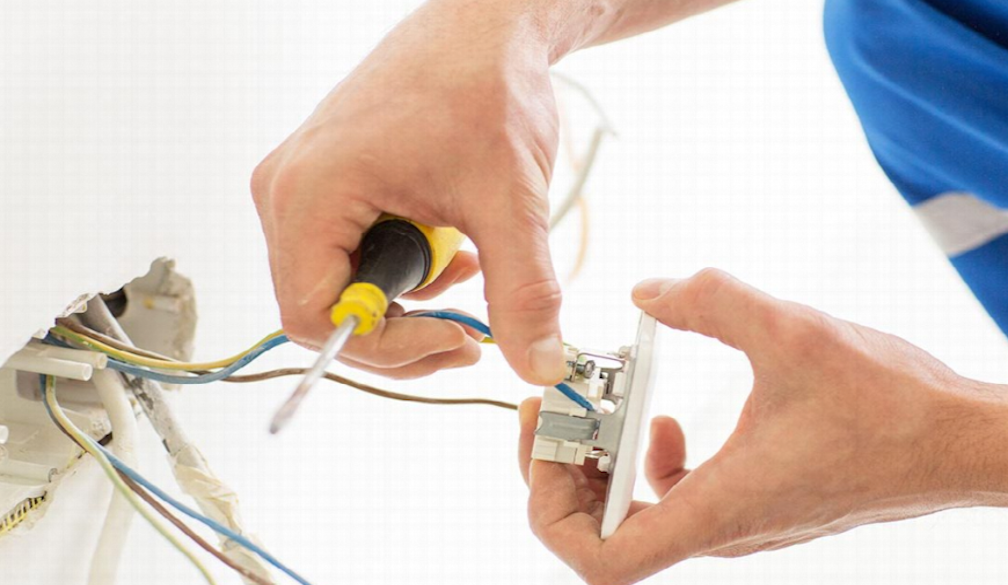
Older homes often have character and craftsmanship that make them appealing places to live, but their electrical systems may have been installed decades before today's household electricity demands. Modern appliances, air conditioning, entertainment systems, home offices, and electric vehicle chargers can place additional pressure on ageing electrical infrastructure. Having a qualified Rockdale electrician assess an older property can help identify outdated components and determine which electrical upgrades may improve safety and reliability.
Electrical upgrades do not necessarily mean replacing an entire electrical system. Depending on the age and condition of the property, targeted improvements to wiring, switchboards, safety switches, power points, and individual circuits may be appropriate.
Older Wiring Can Deteriorate Over Time
Electrical wiring does not last forever. Insulation can deteriorate, connections can loosen, and previous renovations may have introduced modifications that no longer meet current requirements. Because much of a home's wiring is concealed behind walls and ceilings, problems are not always visible. Warning signs such as flickering lights, unusual smells, warm outlets, or frequently tripping circuits may indicate that an inspection is needed.
An electrical assessment can help identify:
- Deteriorating wiring
- Loose connections
- Damaged components
- Outdated electrical materials
- Previous non-compliant work
Identifying these issues early allows appropriate repairs or upgrades to be planned.
Modern Switchboards Improve Electrical Protection
The switchboard is an essential part of the home's electrical system because it distributes electricity across different circuits. Older switchboards may contain outdated equipment that was designed for significantly lower household electricity demands. Modernising a switchboard can provide an opportunity to improve circuit protection and accommodate additional electrical requirements. Depending on the existing installation, an upgrade may include modern circuit breakers and safety switches.
Switchboard upgrades are particularly worth considering when renovating an older property or adding high-demand electrical equipment. A professional assessment can determine whether the existing switchboard remains suitable for the home's current needs.
Safety Switches Provide Important Protection
Safety switches are designed to quickly disconnect electricity when certain electrical faults are detected. They provide an important layer of protection against electric shock. Older properties may not have safety switch protection across the same range of circuits expected in more modern electrical installations. An electrician can assess existing protection and advise whether upgrades are required.
Safety switch installation should always be completed by an appropriately licensed professional. Existing devices should also be tested according to recommended requirements to help ensure they continue operating correctly. Modern electrical protection can significantly improve household safety.
Additional Circuits Can Reduce Overloading
Older homes were generally built when households used fewer electrical appliances. Today, multiple televisions, computers, kitchen appliances, air conditioners, chargers, and other devices may operate simultaneously. If too many appliances depend on a limited number of circuits, the electrical system can experience excessive demand. Frequently tripping circuit breakers may be one warning sign that professional assessment is necessary.
Additional circuits may be appropriate for:
- Air conditioning
- Electric cooking
- Home offices
- Large appliances
- EV charging equipment
Proper circuit planning helps distribute electrical demand more effectively.
Damaged Power Points Should Be Replaced
Power points and switches experience regular physical use and can deteriorate over time. Loose fittings, cracks, scorch marks, unusual warmth, or outlets that no longer hold plugs securely should be professionally inspected. Older homes may also have fewer outlets than modern households require, leading residents to rely heavily on power boards and extension leads.
Installing additional appropriately located power points can improve convenience while reducing dependence on temporary electrical solutions. Any damaged or outdated fittings can also be replaced as part of the upgrade. Electrical outlets should remain secure, functional, and suitable for everyday use.
Renovations Are a Good Time to Review Electrical Systems
Renovating an older property creates an ideal opportunity to inspect electrical infrastructure that might otherwise remain hidden. When walls, ceilings, kitchens, or bathrooms are being updated, electrical requirements can be considered alongside the broader renovation. Planning ahead allows new lighting, power points, appliances, and dedicated circuits to be incorporated efficiently.
Electrical planning during renovations may include:
- New lighting
- Additional outlets
- Appliance circuits
- Switchboard improvements
- Wiring upgrades
Coordinating electrical work early can help avoid unnecessary modifications after renovation work is complete.
Modern Homes Have Changing Electrical Needs
Technology continues to change how households use electricity. Solar systems, battery storage, electric vehicles, smart home technology, and energy-efficient appliances are becoming increasingly common. Older electrical systems may require modifications before some of these technologies can be safely installed. Assessing the property's electrical capacity helps determine whether upgrades are necessary before adding new equipment.
Future planning can also reduce the need for repeated electrical modifications. When upgrading an older property, considering both current and anticipated electricity needs can provide greater long-term flexibility. Electrical infrastructure should evolve alongside the home.
Professional Inspections Help Identify Priorities
Not every older home requires the same upgrades. A property that has undergone professional electrical improvements over the years may have very different requirements from a home with largely original wiring. A licensed electrician can inspect the system and identify areas that require immediate attention as well as improvements that may be considered in the future. This allows homeowners to prioritise work based on safety, condition, and household needs.
Professional inspections may examine:
- Wiring condition
- Switchboard equipment
- Safety switches
- Power points
- Circuit performance
An individual assessment provides a clearer understanding of the property's electrical condition.
Conclusion
Electrical upgrades can play an important role in making older homes safer, more reliable, and better suited to modern living. Ageing wiring, outdated switchboards, limited circuits, and deteriorating power points may all require attention as electrical demands increase. Upgrading these components can improve electrical protection while allowing the home to accommodate modern appliances, technology, and future renovations more effectively. The right improvements will depend on the age, condition, and existing electrical infrastructure of each property.
Rather than waiting for an electrical fault to occur, having an older home's electrical system professionally assessed can help identify potential concerns early. Appropriate upgrades provide a practical way to preserve the character of an established home while ensuring its electrical system is prepared for modern everyday use.