When Does a Blocked Drain Need More Than Just Cleaning?
- Written by: Times Media
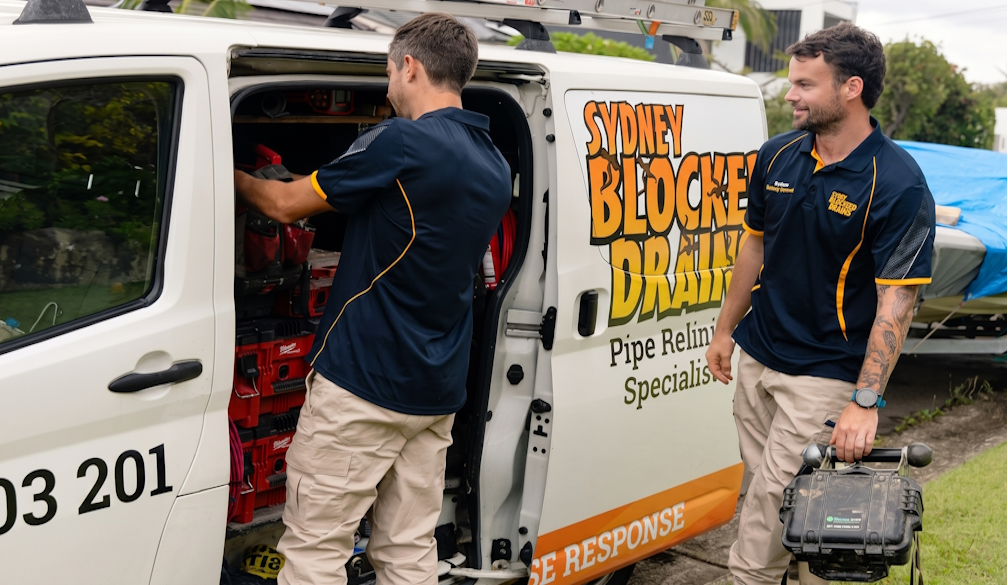
A blocked drain is one of the most common plumbing problems in homes and commercial properties. In many cases, professional cleaning can remove the obstruction and restore normal water flow. However, when blockages keep returning or other warning signs appear, cleaning alone may not address the underlying problem. Property owners considering blocked drain repair in Sydney may need a more detailed inspection to determine whether damaged, cracked, or deteriorating pipes are responsible.
Understanding the difference between a straightforward blockage and structural pipe damage can help prevent repeated plumbing problems. Modern diagnostic and repair techniques allow professionals to identify what is happening inside underground pipes and recommend an appropriate solution.
When Drain Cleaning May Be Enough
Not every blocked drain indicates damaged pipework. Everyday materials can gradually accumulate inside drainage systems and restrict water flow. Kitchen drains may collect grease and food residue, while bathroom drains commonly experience buildup from hair and soap. In these situations, professional drain cleaning may be enough to remove the obstruction.
Common causes of straightforward blockages include:
- Hair
- Grease
- Soap residue
- Food waste
- Foreign objects
Once the material is removed and the pipe is cleaned, normal drainage may return without additional structural repairs.
Recurring Blockages Can Indicate a Bigger Problem
A drain that becomes blocked repeatedly deserves closer investigation. Clearing the obstruction may restore water flow temporarily, but something within the pipe could be causing debris to continually accumulate. Cracks, damaged joints, tree root intrusion, and sections of deteriorating pipework can all contribute to recurring problems.
If the same drain requires frequent clearing, repeatedly treating the blockage may become both inconvenient and costly. Investigating the underlying cause provides an opportunity to identify whether structural repairs are necessary. A properly functioning drain should not require constant clearing.
Tree Root Intrusion May Require Pipe Repair
Tree roots are naturally attracted to moisture and can enter underground drainage pipes through small cracks, openings, or deteriorated joints. Once roots enter the pipe, they may continue growing and create an obstruction. Waste and other materials can become trapped around the roots, gradually restricting water flow.
Removing the roots may clear the immediate blockage, but the problem can return if the opening remains. Repairing the damaged section can help close the entry point and reduce the likelihood of continued root intrusion.
CCTV Inspections Can Reveal Hidden Damage
Because most drainage pipes are concealed underground, it is difficult to determine their condition from the surface. CCTV drain cameras allow professionals to inspect the inside of the pipe without immediately excavating the property. The camera can help identify both the location and nature of the problem.
A CCTV inspection may reveal:
- Cracks in the pipe
- Tree root intrusion
- Damaged joints
- Displaced sections
- Significant obstructions
Accurate diagnosis helps determine whether the drain requires cleaning, structural repair, or a combination of both.
Cracked Pipes Need More Than Clearing
A cracked drainage pipe may continue functioning for some time, particularly when the damage is relatively small. However, cracks can allow roots, soil, and moisture to interact with the drainage system. Over time, the damage may worsen and contribute to repeated blockages or leakage.
Cleaning the pipe removes material that is restricting water flow but does not repair the crack itself. If structural damage is responsible for recurring problems, repairing the affected section provides a more complete solution. Early investigation can help prevent deterioration from progressing unnoticed.
Pipe Relining Can Repair Some Damaged Drains
Traditional underground pipe repairs often require excavation to expose and replace damaged sections. While this method remains necessary in some circumstances, trenchless pipe relining can provide an alternative for suitable pipes. Relining involves installing a resin-based liner inside the existing pipe. Once cured, it creates a new internal surface that covers certain cracks, damaged joints, and root entry points.
Potential benefits include:
- Reduced excavation
- Less landscape disruption
- Repair of structural defects
- Faster restoration
- Protection of existing surfaces
A professional inspection is necessary to determine whether the damaged pipe is suitable for relining.
Some Pipes Still Require Replacement
Pipe relining is useful for many forms of damage, but it cannot solve every drainage problem. Severely collapsed, extensively displaced, or badly deteriorated pipes may require excavation and replacement. This is another reason accurate diagnosis is important. Choosing a repair method before understanding the condition of the pipe can result in unnecessary work or an ineffective solution.
Professional assessment allows different options to be considered based on the location, severity, and type of damage. The objective should always be to choose the repair method appropriate for the actual problem.
Warning Signs That Your Drain Needs Further Investigation
Property owners should pay attention when drainage problems become frequent or begin affecting several fixtures. These symptoms may indicate that the problem extends beyond an ordinary local blockage.
Warning signs can include:
- Frequent drain blockages
- Multiple slow drains
- Persistent sewage smells
- Gurgling from several fixtures
- Wastewater backing up
- Known tree root problems
These symptoms do not automatically mean a pipe requires structural repair, but they provide good reasons to arrange a professional inspection. Early diagnosis can prevent a manageable issue from becoming a larger problem.
Why Fixing the Cause Matters
Repeatedly clearing a blocked drain without addressing structural damage can create an ongoing cycle of plumbing problems. A long-term approach begins by identifying why the blockage developed. If ordinary debris caused the problem, thorough cleaning and preventative maintenance may be sufficient. If cracked or damaged pipes are responsible, repairing the defect may be necessary. Matching the solution to the cause can reduce future disruption and help the drainage system operate more reliably. Professional diagnosis is therefore just as important as the repair itself.
Conclusion
Blocked drains do not always require structural repairs, but recurring problems should never be dismissed as ordinary maintenance. While grease, hair, food waste, and other debris can often be removed through professional cleaning, repeated blockages may indicate cracks, root intrusion, damaged joints, or deteriorating underground pipes. CCTV inspections can help identify these hidden problems and determine whether cleaning, pipe relining, replacement, or another repair method is appropriate. Addressing the actual cause provides a more effective solution than continually clearing the same obstruction.
When a blocked drain keeps returning, investigating the condition of the pipe can save considerable inconvenience. Early diagnosis and appropriate repairs can help restore reliable drainage while preventing a relatively manageable problem from developing into a more serious plumbing issue.