Inside the Modern Pilates Studio: Why Reformer Training Continues to Grow in Popularity
- Written by: Times Media
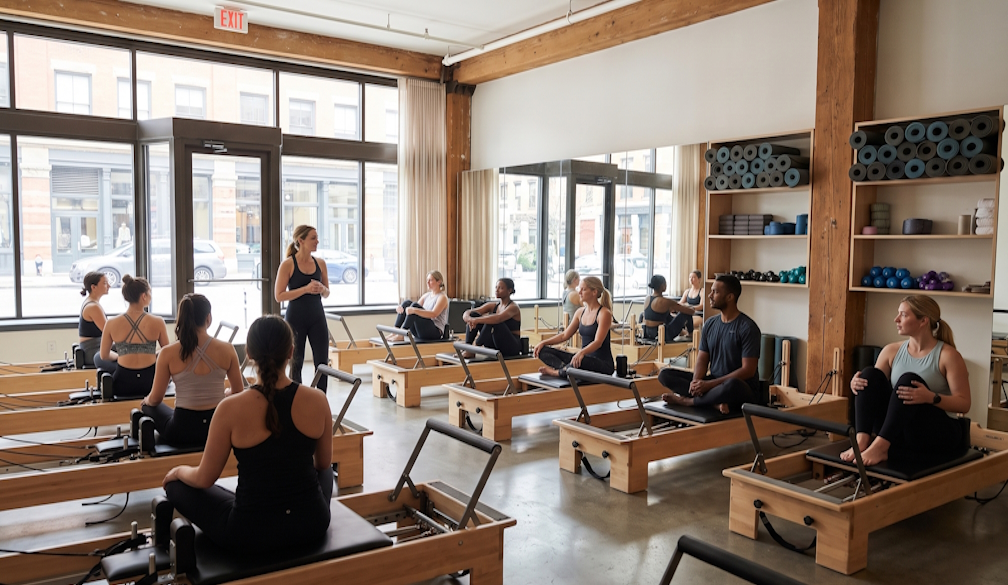
The practice of Pilates has evolved significantly since its inception, with various forms of equipment and training methods enhancing its appeal and effectiveness. Among these, the reformer pilates machine has become a cornerstone in modern Pilates studios. This specialised apparatus has transformed the way Pilates is practiced, offering a versatile and engaging workout. Modern Pilates studios, such as those supported by the offerings at Core Collab AU, have embraced this technology to meet the rising demand for dynamic and rehabilitative exercise regimens.
The Evolution of the Pilates Reformer
The reformer pilates machine is a sophisticated piece of equipment designed to provide resistance and support throughout various Pilates exercises. It comprises a sliding carriage, adjustable springs, straps, and a foot bar, enabling a wide range of movements that target different muscle groups. This evolution from mat-based Pilates to reformer-assisted work allows individuals to tailor intensity and specificity in their workouts, thereby increasing effectiveness and reducing the risk of injury.
Benefits of Reformer Training
One reason reformer training has surged in popularity is the comprehensive approach it offers to body conditioning. It enhances muscular strength, flexibility, posture, and coordination. The resistance provided by the springs can be adjusted, making it suitable for people of all fitness levels and physical conditions. Importantly, reformer Pilates also emphasises core engagement, which is fundamental for overall stability and injury prevention.
For rehabilitation purposes, the reformer pilates machine provides a controlled environment where movement can be carefully monitored and modified. This makes it invaluable for physical therapists and fitness professionals working with clients recovering from injuries or managing chronic pain conditions.
Why Clients Choose Modern Pilates Studios with Reformer Equipment
The modern Pilates studio is not just a fitness space but a holistic environment catering to diverse health and wellness needs. Clients are increasingly seeking studios that offer personalised attention and advanced equipment such as the reformer pilates machine. This machine supports a wide array of exercises that improve balance, posture, and movement efficiency, crucial for both athletic and everyday activities.
Customisation and Versatility
Reformer Pilates systems provide bespoke workout options, allowing instructors to adapt sessions based on individual goals and capabilities. This flexibility is a significant factor in the growing preference for reformer training, as it accommodates beginners through to advanced practitioners within the same studio environment.
Enhanced Motivation and Engagement
The use of equipment can enhance user motivation, offering a variation from traditional mat Pilates. The interactive nature of the reformer engages the user physically and mentally, contributing to improved consistency and long-term adherence to exercise programs.
The Role of Core Collab AU in Supporting Pilates Studios
Core Collab AU plays a pivotal role in the Pilates industry by providing high-quality equipment and resources that support the development of modern studios. Their range of products, including the reformer pilates machine, ensures that Pilates professionals have access to reliable, durable, and versatile apparatus required to meet contemporary standards.
By supplying these innovative machines, Core Collab AU contributes to the elevated standards in Pilates training, offering practitioners and clients alike the best tools to advance their health and fitness outcomes.
Impact of Reformer Pilates on Overall Fitness Trends
Fitness trends increasingly emphasise holistic wellness, functional movement, and injury prevention. Reformer Pilates uniquely aligns with these goals by combining strength, flexibility, and balance training. It is recognised not only as a mainstream fitness activity but also as a rehabilitative and preventative practice.
This crossover appeal has broadened its reach beyond traditional Pilates clientele to athletes, older adults, and individuals seeking low-impact conditioning routines, thereby driving growth in modern Pilates studios nationwide.
Design and Atmosphere of a Modern Pilates Studio
Modern Pilates studios prioritise a conducive environment that blends aesthetics with functionality. Open, well-lit spaces with clean, minimalistic design allow focus and relaxation during sessions. The integration of equipment such as the reformer pilates machine enhances visual interest while serving as a practical training tool.
Studios often incorporate amenities and professional staff trained in Pilates methodologies to cultivate a comprehensive wellness experience. This atmosphere promotes not only physical improvement but also mental wellbeing, which is increasingly important in contemporary fitness culture.
Trends in Pilates Instruction and Certification
The rise in reformer Pilates has catalysed advances in instructor training and certification. Fitness professionals require specialised education to safely and effectively operate reformer equipment and tailor routines to individual needs. This has elevated the professionalism within the Pilates community, contributing to higher client satisfaction and safety standards in studios.
Technology Integration in Pilates Studios
Some modern Pilates studios incorporate technology such as performance tracking, virtual classes, and biomechanical assessments to complement reformer training. These offerings provide additional value to clients, empowering them to monitor progress and engage in Pilates regardless of location, reflecting the adaptability of the discipline in a digital age.
The Future of Reformer Pilates
Given current trends, reformer Pilates is expected to maintain its expansion in the fitness market. Innovations in equipment design and training methodologies will likely enhance accessibility, making Pilates even more inclusive and effective. Support from companies like Core Collab AU ensures that studios remain well-equipped to meet the evolving demands of their clientele.
Conclusion
The popularity of reformer training within modern Pilates studios is a testament to its adaptability, efficiency, and holistic benefits. The reformer pilates machine offers a versatile platform for enhancing physical fitness, rehabilitation, and wellness. As awareness of its benefits grows alongside advances in Pilates education and equipment, it is anticipated that reformer Pilates will continue to be integral to contemporary fitness facilities and practitioners worldwide.