The Times Australia
Google AI
The Times Australia
.

Modern Moving, Modern Business: What an australian ai automation agency Reveals About Customer Expectations

  • Written by Times Media


Moving house used to be a straightforward service transaction: book a date, pack up, load the truck, and hope everything arrives intact. Today, expectations are higher — and patience is lower. People want fast replies, clear pricing, accurate time windows, and fewer surprises. At the same time, businesses are under pressure to deliver a smoother experience while dealing with busy calendars, staff shortages, and rising costs. That’s where “modern service” has started to look different.

AI and automation are influencing this shift, even when customers don’t realise it. The best service operators are using smarter systems behind the scenes to reduce admin, confirm details quickly, and keep everyone informed without endless phone calls. It’s not about replacing humans; it’s about removing friction. The result is a customer journey that feels simple: fewer messages, fewer mistakes, and more confidence that the job will run on time.

This matters for household moves in particular, because moving is a high-stress moment with lots of moving parts. When communication is slow or unclear, stress spikes — and small issues become big ones. A modern approach is about setting expectations early, documenting details, and keeping the process transparent from booking to completion. In this guide, we’ll look at what the AI shift reveals about customer expectations, and how packing and moving services can meet them.

What Customers Now Expect: Speed, Clarity and Fewer Back-and-Forth Messages

Customers increasingly expect the same convenience they get from banking, deliveries, and online bookings: quick answers, clear next steps, and confirmation in writing. That means accurate quoting, simple scheduling, and upfront clarity about what’s included. If people have to chase a response, repeat information, or guess what happens next, trust drops fast. The best service businesses now treat communication as part of the product — not an afterthought.

They also expect fewer “it depends” moments. Good operators ask the right questions early (access, stairs, fragile items, timing) and then provide a clear plan: arrival windows, what to prepare, how long it will take, and how changes are handled. Even when a service can’t guarantee everything, customers want certainty where possible and transparency where not. Reducing back-and-forth isn’t just nicer — it prevents errors that cost time and money.

Where an australian ai automation agency Fits: Automations That Improve Service (Without Feeling Robotic)

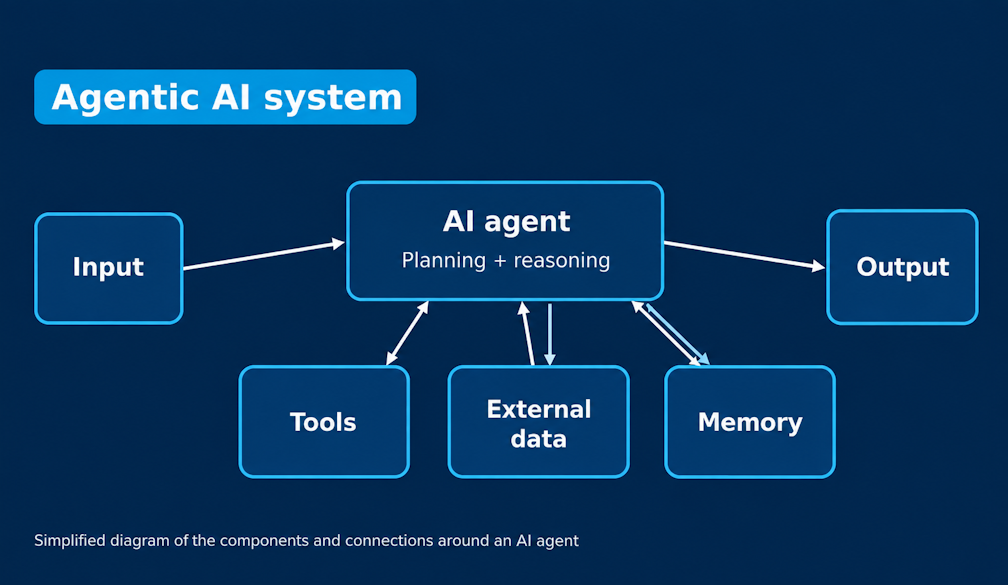
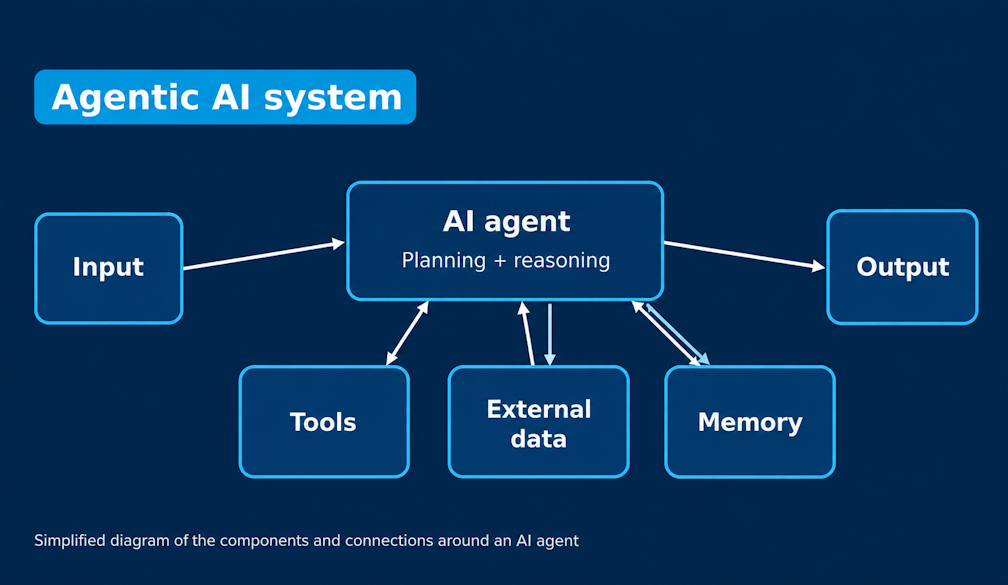
An australian ai automation agency typically helps service businesses remove bottlenecks that frustrate customers: slow quoting, missed follow-ups, unclear booking details, and inconsistent updates. The goal isn’t flashy AI — it’s reliable systems. Think automated quote forms that capture the right information upfront, instant confirmation messages that summarise what was agreed, and scheduling workflows that reduce double-handling. When done well, customers simply feel that the business is organised, responsive, and easy to deal with.

The most valuable automations are the “boring” ones that prevent mistakes. For example, a workflow that checks for missing details (access, stairs, parking, special items) before a booking is confirmed, or that sends reminders with a checklist 48 hours before service. AI can also help route enquiries to the right team member, generate consistent responses to common questions, and flag risks like tight time windows or unusual access. It keeps communication consistent without sounding generic.

The key is to keep automation human-centred. Messages should be short, specific, and written in plain language, with an easy way to speak to a real person when needed. Customers don’t want to feel trapped in a bot loop; they want speed plus accountability. The best approach combines automation for routine steps with human judgement for exceptions. That balance reduces back-and-forth, improves accuracy, and protects the customer experience when things change.

The “No-Stress Move” Standard: Planning, Labelling and Protecting What Matters Most

A lower-stress move starts with sequencing. Instead of packing everything at once, break it into phases: non-essentials first (books, décor, spare linen), then secondary items (most of the kitchen), and leave daily-use essentials for the final days. Set a simple timeline and stick to it. This reduces last-minute chaos and makes it easier to keep your home functional while you pack. It also helps you spot what you don’t need, which cuts volume and costs.

Labelling is where most people can win back hours. Label every box on two sides with the room, a short contents note, and a priority tag such as “Open First Night” or “Store”. If you want to be extra organised, number boxes and keep a quick list on your phone for high-priority items. Group boxes by room as you pack so loading and unloading stays logical. Clear labelling prevents the classic problem: everything arrives, but nothing is findable.

Protection is the final piece of the “no-stress” standard, and it’s often overlooked. Use the right box sizes (small for heavy items, larger for light bulky items) and don’t overload cartons. Wrap fragile items so they can’t shift, fill gaps, and reinforce box bases with proper tape. Keep a separate essentials kit: chargers, medications, basic tools, toiletries, and important documents. When the essentials are accessible, the first night feels settled — even if the rest is still in boxes.

Choosing house packing services: What’s Included, What Costs Extra, and What to Avoid

Good house packing services should save time, reduce breakages, and make moving day faster — but only if you know what you’re paying for. Start by confirming whether the service includes packing materials, or if boxes, paper, bubble wrap, and tape are charged separately. Ask whether they pack the whole home or only selected rooms, and how they handle fragile items like glassware, artwork, and electronics. A clear scope up front prevents misunderstandings when timelines tighten.

Next, clarify the common add-ons that change the final price. Extra charges often appear for heavy or unusual items, stairs and long carries, after-hours work, short-notice bookings, or packing “hazards” like liquids and chemicals. Check whether unpacking is available, and if they can label boxes by room and priority as they go. If you’re time-poor, a labelled, room-by-room system is worth it — it speeds up unloading and makes your first night far easier.

Finally, avoid services that feel vague, rushed, or careless with details. If a provider can’t explain how they protect fragile items, won’t confirm what “completed” packing looks like, or pushes you into a package without a walkthrough, treat it as a warning sign. Professional packers should be able to describe their process, time estimates, and how they manage breakage risk. The best outcomes come from good communication: you provide access and priorities, they deliver consistency and care.

Conclusion

Moving is stressful, but modern expectations are actually a helpful guide. People want faster answers, clearer plans, and fewer surprises — and the businesses that deliver those basics will stand out, whether customers find them through traditional search, recommendations, or AI-driven discovery. Behind the scenes, smarter systems and automation can remove friction, reduce errors, and make the whole experience feel more predictable without losing the human touch.

For households, the same principle applies: structure beats chaos. A simple timeline, strong labelling, and sensible protection turn a move into a manageable project instead of a messy scramble. And if you’re hiring help, knowing what’s included — and what isn’t — protects your budget and your belongings. Combine clear planning with reliable support, and the “fresh start” of a new home actually feels like one.

Times Magazine

How Managed IT Support Improves Security, Uptime, And Productivity

Managed IT support is a comprehensive, subscription model approach to running and protecting your ...

AI is failing ‘Humanity’s Last Exam’. So what does that mean for machine intelligence?

How do you translate ancient Palmyrene script from a Roman tombstone? How many paired tendons ...

Does Cloud Accounting Provide Adequate Security for Australian Businesses?

Today, many Australian businesses rely on cloud accounting platforms to manage their finances. Bec...

Freak Weather Spikes ‘Allergic Disease’ and Eczema As Temperatures Dip

“Allergic disease” and eczema cases are spiking due to the current freak weather as the Bureau o...

IPECS Phone System in 2026: The Future of Smart Business Communication

By 2026, business communication is no longer just about making and receiving calls. It’s about speed...

With Nvidia’s second-best AI chips headed for China, the US shifts priorities from security to trade

This week, US President Donald Trump approved previously banned exports[1] of Nvidia’s powerful ...

The Times Features

Most Older Australians Want to Stay in Their Homes Despite Pressure to Downsize

Retirees need credible alternatives to downsizing that respect their preferences The national con...

The past year saw three quarters of struggling households in NSW & ACT experience food insecurity for the first time – yet the wealth of…

Everyday Australians are struggling to make ends meet, with the cost-of-living crisis the major ca...

The Week That Was in Federal Parliament Politics: Will We Have an Effective Opposition Soon?

Federal Parliament returned this week to a familiar rhythm: government ministers defending the p...

Why Pictures Help To Add Colour & Life To The Inside Of Your Australian Property

Many Australian homeowners complain that their home is still missing something, even though they hav...

What the RBA wants Australians to do next to fight inflation – or risk more rate hikes

When the Reserve Bank of Australia (RBA) board voted unanimously[1] to lift the cash rate to 3.8...

Do You Need a Building & Pest Inspection for New Homes in Melbourne?

Many buyers assume that a brand-new home does not need an inspection. After all, everything is new...

A Step-by-Step Guide to Planning Your Office Move in Perth

Planning an office relocation can be a complex task, especially when business operations need to con...

What’s behind the surge in the price of gold and silver?

Gold and silver don’t usually move like meme stocks. They grind. They trend. They react to inflati...

State of Play: Nationals vs Liberals

The State of Play with the National Party and How Things Stand with the Liberal Party Australia’s...