Practical Benefits Of First Aid Certification For Community Safety
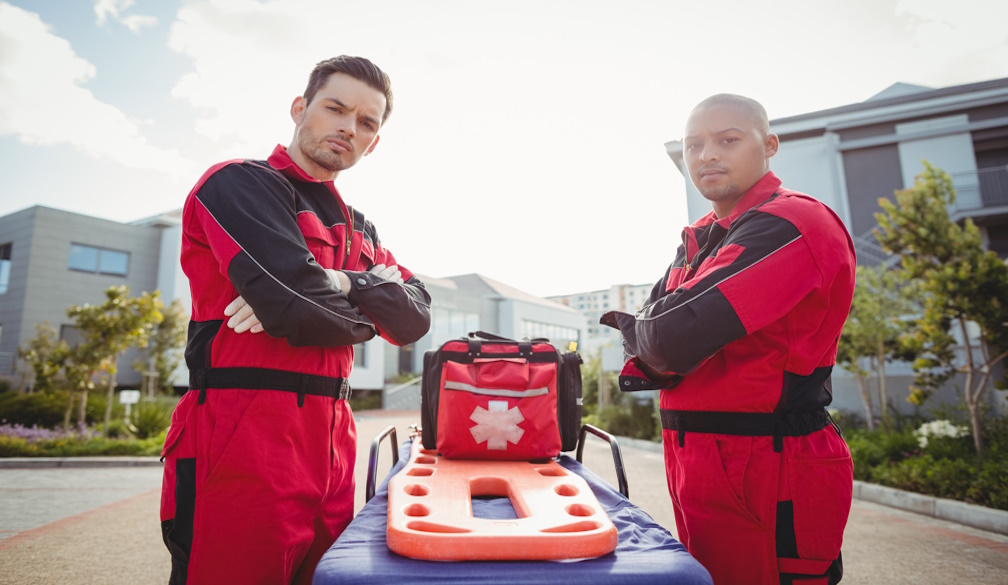
A strong and resilient community depends on people who know how to respond when emergencies happen. Whether in neighbourhoods, workplaces, parks, schools, or public venues, trained individuals play a powerful role in keeping others safe. Completing a first aid course Campbelltown NSW, equips everyday people with the skills and confidence needed to step in and provide help during critical moments. These qualifications go beyond personal benefit; they contribute directly to building a safer, more prepared community.
Empowering Community Members To Act Quickly
When an accident occurs, the first few minutes are the most important. People often panic or freeze simply because they don't know what to do. First aid certification gives individuals the knowledge to recognise an emergency immediately and take appropriate action. Whether someone is choking, bleeding, experiencing a severe allergic reaction, or has collapsed, a trained person can intervene with calmness and clarity.
This rapid response reduces the severity of injuries and can even save lives while waiting for professional help. Communities with more certified individuals experience faster responses and better outcomes in everyday emergencies.
Strengthening Neighbourhood Awareness And Prevention
One of the key lessons taught during a first aid course Campbelltown is prevention. Participants learn how to recognise hazards, identify unsafe conditions, and take steps to minimise risk. This awareness carries over into daily life and community spaces. People who are trained tend to notice potential dangers earlier and encourage safer habits among others.
For example, a trained resident might identify trip hazards in a community hall, assist in setting up safer play areas for children, or help neighbours understand basic safety practices. These small interventions reduce accident rates and create a more secure environment for everyone.
Supporting Vulnerable Groups In The Community
People with chronic illnesses, the elderly, and children frequently depend on others in times of need. Communities with more certified first aiders can better support these vulnerable groups. Trained individuals understand how to respond to asthma attacks, fainting episodes, falls, burns, and other common incidents.
In neighbourhood gatherings, school events, sports activities, and family outings, someone with Campbelltown first aid training becomes a valuable resource. Their ability to act quickly provides reassurance and builds a stronger sense of trust and protection.
Improving Emergency Response In Public Settings
Emergencies don't always happen at home or in familiar surroundings. Public places such as shopping centres, sporting venues, bus stops, parks, and community events are also common locations for accidents. First aid-certified individuals can make a significant difference in these settings by offering immediate assistance until paramedics arrive.
When more people across Campbelltown have first aid certification, the entire community becomes more resilient. Trained individuals can respond effectively to medical emergencies anywhere, reducing the impact and helping keep situations under control.
Promoting A Culture Of Leadership And Accountability
Those who complete a first aid course often become natural leaders during emergencies. They know how to stay calm, assess a situation, give instructions to bystanders, and work with emergency services. This leadership not only helps during the crisis but also encourages others to consider becoming trained as well.
Over time, this creates a ripple effect where more community members seek certification, contributing to a broader culture of preparedness. A community that values safety becomes stronger, more connected, and better able to protect one another.
Boosting Confidence And Reducing Fear During Emergencies
One of the most practical benefits of first aid certification is the confidence it gives individuals. Emergencies can be frightening, but training replaces fear with knowledge. Certified individuals know how to take the right steps quickly, which benefits both the person giving aid and the one receiving it.
Confidence allows community members to become active participants rather than passive bystanders. Instead of waiting helplessly for help to arrive, they can give meaningful support that stabilises the situation.
Enhancing Community Resilience Long Term
The community's general level of safety and preparedness increases as more citizens obtain first aid certification. Each trained individual represents another layer of protection. Communities with widespread first aid knowledge experience fewer severe injuries, faster assistance, and stronger connections between neighbours.
Completing a first aid course is more than an individual achievement; it is a contribution to a safer, healthier, and more responsive community. Every trained person becomes part of a network of support that benefits everyone around them, making a stronger and more resilient place to live.