

Smart Ways to Refresh Your Home and Reduce Allergens This Spring
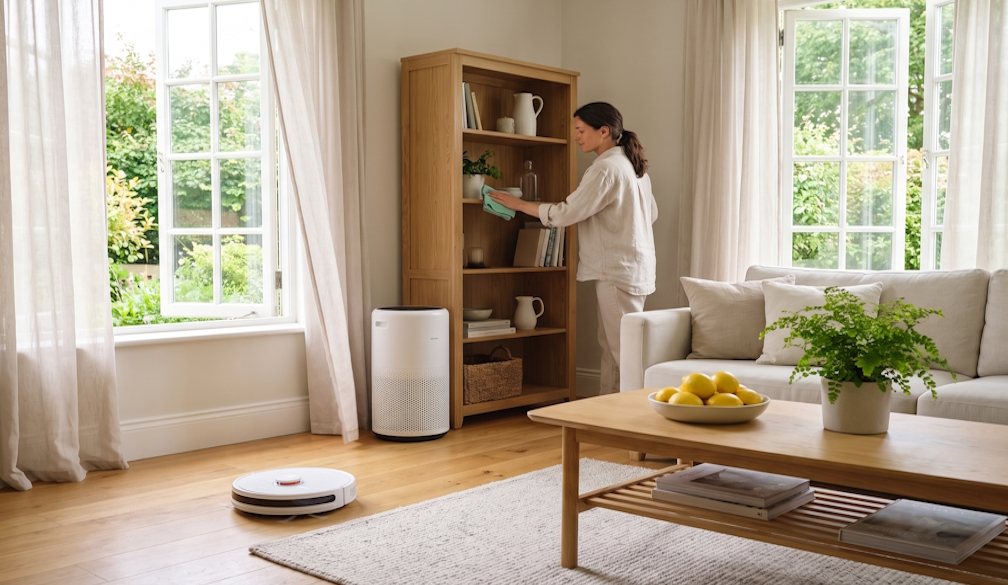
Spring in Australia is synonymous with blooming gardens, warmer weather, and longer days. However, for millions of households, this vibrant season also marks the beginning of itchy eyes, sneezing, and respiratory discomfort. With official government health data revealing that almost one in four people in Australia reported having hay fever or allergic rhinitis, maintaining a healthy domestic environment has never been more important. Spring cleaning is no longer just about tidying up for aesthetic reasons. It is an essential practice for managing indoor air quality and protecting your family from seasonal health risks.
The Hidden Impact of Poor Indoor Air Quality
Many people assume that closing the doors and windows is enough to keep pollen and pollutants outside. Unfortunately, this is a misconception. According to a recent Asthma Australia report, almost one-third of Australians with asthma or allergies actually experience worse symptoms when they are inside their own homes. Without proper ventilation and regular deep cleaning, indoor air can become two to five times more polluted than the air outside. Trapped biological contaminants, chemical pollutants, and dust buildup create an environment that exacerbates respiratory conditions, taking a significant economic and personal toll. The CSIRO estimates that poor indoor air quality costs the Australian economy up to 12 billion dollars each year in health impacts and lost productivity. During the intense spring months, airborne triggers like ryegrass pollen easily find their way inside, settling onto surfaces and integrating into the fabric of your home.
Tackle the Ground Level First
When assessing where allergens accumulate, your floors are the primary culprit. The Australasian Society of Clinical Immunology and Allergy identifies house dust mites as the most common allergen source in humid and coastal regions of Australia. These microscopic pests thrive in soft furnishings, mattresses, and especially carpets, where they feed on shed human skin cells and pet dander.
Standard vacuuming is often not enough to solve this problem. In fact, vacuuming without a high-efficiency particulate air filter can actually increase the amount of airborne dust mite allergens for up to twenty minutes by stirring up settled particles. To effectively address the root of the problem, residents in pollen-heavy southern states can drastically reduce indoor allergens by investing in the kind of professional carpet cleaning Melbourne relies on to extract embedded dust mites and ryegrass pollen. Hot water extraction methods wash away the embedded droppings that cause allergic reactions, completely resetting the baseline cleanliness of your floors.
Filter the Air You Breathe
Once the floors and soft furnishings have been thoroughly sanitised, the next step is managing the air circulating through your living spaces. Melbourne's official grass pollen season peaks from October to December, and severe weather events can cause ryegrass pollen grains to rupture into microscopic particles. These tiny fragments are small enough to bypass the nose and enter deep into the lungs, triggering severe asthma and allergy attacks even indoors.
Maintaining clean air between deep cleans is crucial for long-term relief. While professional floor care removes embedded pollen and dust mites, learning how to find the best air purifier for your home ensures airborne allergens are filtered out daily. A unit equipped with a genuine HEPA filter will capture circulating pet dander, pollen, and microscopic dust particles before they have a chance to settle back onto your freshly cleaned surfaces.
Practical Steps for an Allergy-Proof Home
Creating a truly allergy-proof home requires a multi-faceted approach. By combining professional maintenance with smart daily habits, you can significantly reduce your exposure to seasonal triggers. Consider implementing the following strategies to keep your indoor environment healthy this spring:
- Minimise indoor humidity: Dust mites thrive in damp environments. Use exhaust fans in bathrooms and kitchens, and consider running a dehumidifier to keep indoor humidity below 50 percent.
- Wash bedding frequently: Strip beds weekly and wash all sheets, pillowcases, and blankets in hot water (above 60 degrees Celsius) to kill dust mites and remove accumulated skin cells.
- Upgrade your vacuum cleaner: Ensure your household vacuum is fitted with a HEPA filter to trap fine particles rather than exhausting them back into the room.
- Monitor the conditions: Check local tracking services, such as the Melbourne Pollen Count and Forecast, so you know when to keep windows firmly shut during high-pollen days or thunderstorms.
- Groom pets outdoors: Regularly brush your dogs and cats outside to prevent excess dander and pollen from being tracked onto your indoor rugs and couches.
Refreshing your home for spring is a rewarding process that goes far beyond surface-level tidying. By taking proactive steps to deep clean your carpets, filter your air, and manage daily allergens, you can transform your house into a safe and breathable sanctuary all season long. A truly clean home not only looks beautiful but also supports the health and wellbeing of everyone who lives there.