The Smart Tree-Change: Reducing Utility Costs When Transitioning to Regional Acreage
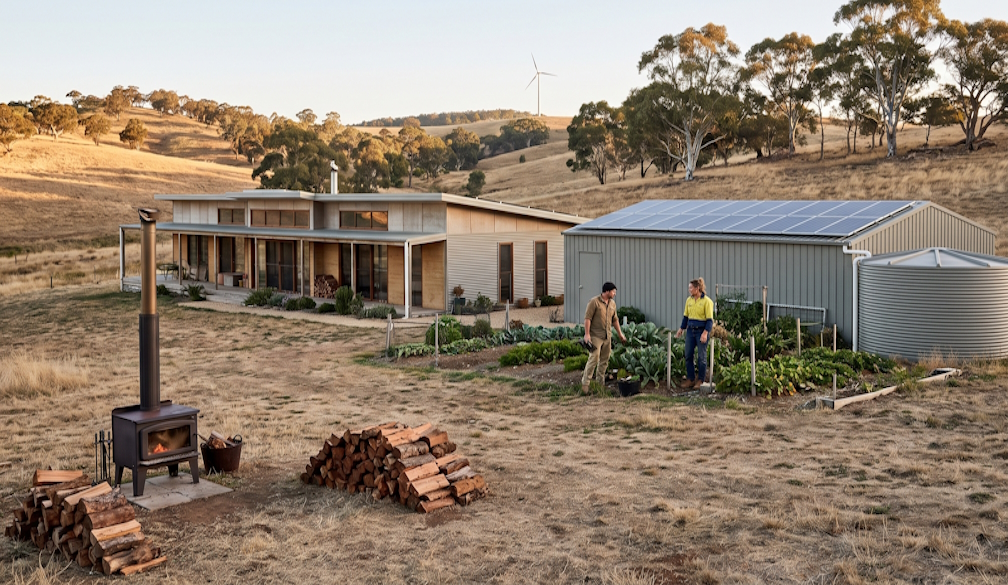
Your first utility bill after moving to acreage can be a shock - sometimes three times what you paid in the city. Making the move from city living to a regional property is a big lifestyle change that brings both exciting opportunities and practical considerations. One of the most pressing concerns for families making this transition involves managing utility costs, particularly when larger homes and expansive acreage require different approaches to energy management than compact urban dwellings.
Understanding Your Energy Footprint on Acreage
Moving to regional acreage typically means you'll be occupying a much larger home than your city residence. A 200-square-metre farmhouse far exceeds the space of an 80-square-metre apartment. These properties often feature higher ceilings, multiple living zones, and additional spaces like workshops or studios. The heating and cooling requirements alone can far exceed what you experienced in a suburban townhouse or apartment.
Water usage patterns also shift dramatically. Beyond household consumption, acreage properties may require water for livestock, extensive gardens, or irrigation systems. This increased demand makes efficiency not just environmentally conscious but financially essential.
Your new property might also include sheds, barns, or outbuildings that require their own power supply. External lighting for driveways and paddocks, electric fencing, and bore pumps all contribute to larger overall energy consumption.
It's easy to underestimate these changes, and many tree-changers find themselves caught off guard during their first billing cycle.
Choosing the Right Property with Efficiency in Mind
The foundation of managing utility costs begins before you even purchase your acreage. When sourcing regional acreage and lifestyle blocks via Davidson Cameron & Co rural properties, you'll want to prioritise properties with existing infrastructure that supports energy efficiency.
Look for homes with good natural light, appropriate orientation for passive solar gain, and established windbreaks that reduce heating demands.
Consider the water sources available on the property. Properties with reliable bore water or access to creek water can significantly reduce your reliance on mains supply. Rainwater tank infrastructure already in place represents valuable existing assets that would otherwise require substantial investment to install.
The condition and age of existing buildings matters enormously. An older farmhouse with poor insulation will cost far more to run than a well-designed home built with thermal efficiency in mind. You might find it helpful to request information about existing utility bills from sellers when possible, as this provides realistic expectations rather than unpleasant surprises.
Solar Water Heating as Your Foundation Investment
Hot water systems represent one of the largest energy consumers in any household, and this impact multiplies on acreage properties where families often increase in size or host regular guests.
Solar water heating offers an immediate and measurable reduction in ongoing costs. By upgrading property infrastructure with efficient Solahart solar heat pumps, you're harnessing the abundant sunshine that regional areas typically enjoy. These systems work even on cloudy days and can be supplemented with gas or electric boosters during extended poor weather, ensuring you never run short.
Solar water heaters are beautifully simple and reliable. Unlike complex systems requiring constant maintenance, quality solar water heaters operate quietly in the background for decades. The initial investment pays dividends throughout your ownership, and the technology has matured to the point where performance is genuinely dependable across various climate zones.
For larger acreage properties with multiple dwellings or substantial hot water needs for workshops or animal care facilities, you'll find that installing multiple solar water heating units across different buildings provides targeted efficiency rather than running extensive pipe networks from a single central system.
Implementing Solar Power Systems Strategically
Beyond water heating, rooftop solar panels for electricity generation deserve serious consideration. Regional properties typically offer abundant roof space without the shading issues that plague city homes surrounded by tall buildings and established trees.
Start by calculating your actual power needs rather than simply installing the largest system your roof can accommodate. Monitor your consumption patterns for several months after moving to understand genuine requirements. This prevents spending too much on unnecessary capacity whilst ensuring you install sufficient panels to make a meaningful difference.
Battery storage systems have become increasingly practical for regional properties, particularly those experiencing occasional power interruptions from storms or infrastructure issues. The ability to maintain power for essential services like refrigeration, water pumps, and lighting during outages provides peace of mind beyond simple cost savings.
Consider the orientation and pitch of your roof carefully. North-facing panels in Australia capture optimal sunlight, but east and west-facing installations can also perform well when designed appropriately. Professional assessment ensures you maximise returns on your investment.
Insulation and Passive Design Improvements
Even the most efficient energy generation systems can't compensate for poorly insulated buildings. Regional properties often experience greater temperature extremes than coastal cities, making proper insulation a priority rather than an optional extra.
Ceiling insulation delivers the most significant impact for the investment, as heat rises and escapes through roofs in winter whilst radiating downward during summer. Properly installed ceiling insulation can cut heating costs by 20-30%.
Wall insulation, whilst more invasive to install in existing buildings, provides substantial benefits in climates with harsh winters or extremely hot summers.
Double glazing windows represents a significant expense but transforms comfort levels and heating efficiency. If full replacement exceeds your budget, prioritise the rooms you use most or consider heavy curtains and pelmets as temporary fixes that still reduce heat loss substantially.
Passive design principles cost nothing to implement but require thoughtful habit changes. Opening windows for cross-ventilation during cool evenings, closing curtains before the afternoon sun hits west-facing windows, and using ceiling fans to circulate air all reduce reliance on mechanical heating and cooling.
Water Management and Efficiency
Acreage properties present unique water management challenges and opportunities. Greywater systems that redirect shower and laundry water to garden irrigation reduce both water consumption and the load on septic systems where town sewerage isn't available.
Rainwater harvesting at scale makes sense on larger properties. Multiple tanks positioned strategically around the property provide water where needed without extensive pumping. Gravity-fed systems reduce or eliminate pumping costs entirely when tanks are positioned on elevated ground.
Drip irrigation systems deliver water directly to plant roots with minimal waste compared to sprinklers. Mulching garden beds heavily reduces evaporation and water requirements substantially. These simple techniques dramatically reduce water consumption without compromising your ability to maintain productive gardens or attractive landscapes.
Planning for Heating and Cooling Efficiency
Regional homes often require effective heating solutions for winter. Wood heating using timber from your own property creates a sustainable, cost-effective option, though it requires physical effort and appropriate storage facilities. Slow combustion heaters or enclosed fireplaces burn far more efficiently than open fireplaces, which lose most heat up the chimney.
Reverse-cycle air conditioning provides both heating and cooling efficiently when sized appropriately. Zone systems that heat or cool only occupied rooms rather than the entire house reduce running costs substantially. Positioning units strategically allows you to maintain comfort in living areas whilst leaving unoccupied bedrooms unheated.
Consider your lifestyle patterns when planning heating and cooling. If you spend daylight hours outside working on the property, heating the house all day wastes money. Programmable systems that warm the house before you come inside for the evening provide comfort when needed without continuous operation.
Your Action Plan for Lower Utility Costs
Moving to regional acreage doesn't mean accepting dramatically higher utility costs. Here's how to prioritise your investments:
Start with solar water heating - it's the quickest win for reducing ongoing costs. Next, assess your insulation needs, focusing on ceilings first. Monitor your actual energy usage for three to six months before committing to solar panels, ensuring you install the right system size.
Don't try to do everything at once. Many tree-changers discover that spreading improvements over your first two years makes the transition more manageable financially whilst still delivering meaningful savings.
Strategic investments in efficiency, combined with thoughtful property selection and simple habit changes, keep ongoing costs reasonable whilst supporting a comfortable lifestyle. Plan these investments carefully from the start rather than reacting to bill shock after the fact, and you'll enjoy your tree-change without the financial stress.