How On-Demand Industrial Label Printers Are Changing Product Packaging in Australia
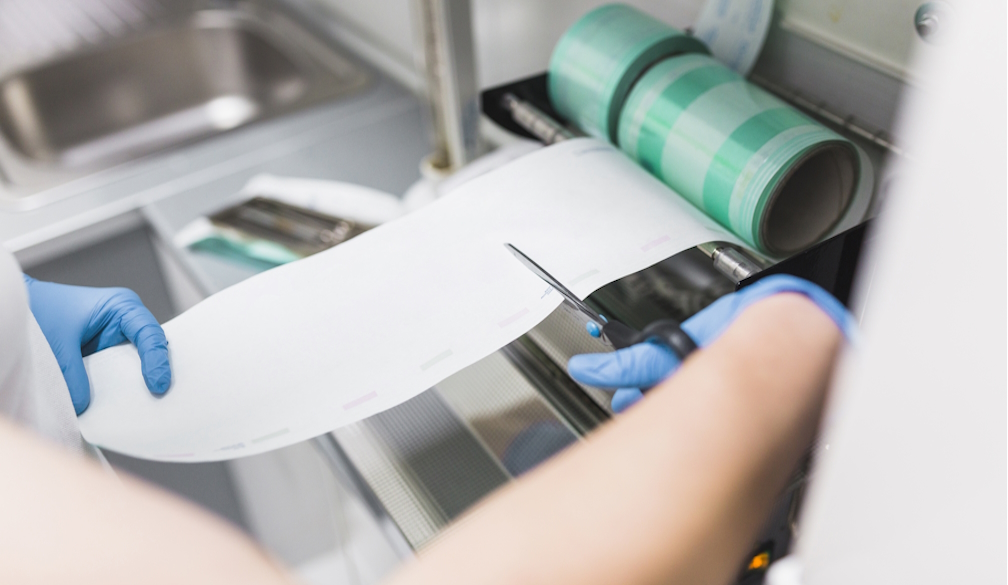
Product packaging serves as the direct link between a manufacturer and a consumer. Beyond aesthetics, product labels convey crucial information, including regulatory compliance data, ingredient lists, batch tracking numbers, and barcodes. As short-run product variations increase and Australia’s supply chain demands tighten, relying on outsourced third-party printing facilities can create friction, slow production schedules, and raise operational costs.
Given Australia’s unique geographic isolation, high interstate freight costs, and concentrated domestic manufacturing hubs, investing in dedicated label printers gives Australian businesses full control over their production workflow. From commercial food packaging and pharmaceuticals to regional logistics and chemical manufacturing, modern digital label printing equipment helps local companies adapt to market changes quickly.
The Role of In-House Label Printing in the Australian Supply Chain
For decades, Australian companies ordered pre-printed labels in massive quantities from commercial print shops, often importing bulk orders from overseas or shipping them across state borders. While bulk orders lower the price per unit, they come with substantial trade-offs: high minimum order quantities (MOQs), long freight lead times across vast domestic distances, and the risk of inventory wastage whenever product details or local regulatory standards change.
Digital on-demand printing changes this model entirely. Bringing label production in-house allows Australian facilities to print exact quantities on demand, eliminating surplus stock, reducing warehouse storage requirements, and avoiding the unpredictable freight delays common to long domestic supply chains.
Key Drivers of In-House Printing Adoption Across Australia
- Short-Run Customization: Local craft breweries, boutique cosmetics brands, and specialty food producers offering regional or seasonal variations can print distinct label designs without incurring high setup fees.
- Faster Time to Market: New products can move from design approval to Australian retail shelves in hours rather than weeks.
- Waste Reduction: Updates to ingredient lists, safety warnings, or branding assets no longer render thousands of pre-printed rolls obsolete.
- Freight and Logistics Resilience: Localized production insulates businesses from national freight disruptions between major capital cities and regional centers.
Core Technologies Behind Digital Label Printers
Choosing the right equipment requires an understanding of the underlying print technologies. The primary methods used in modern Australian industrial printing include thermal transfer, direct thermal, and inkjet technology.
1. Thermal Transfer Printing
Thermal transfer machines use a heated printhead to melt a wax or resin ribbon onto the label substrate. This process creates exceptionally durable text and graphics that resist harsh environmental conditions—essential for Australia's climate.
- Best used for: Asset tracking, outdoor chemical drum labeling, cold-chain/freezer storage, and mining or industrial equipment identification.
- Key advantage: Excellent resistance to abrasion, chemicals, moisture, extreme heat, and harsh UV exposure across regional Australia.
2. Direct Thermal Printing
Direct thermal printers use heat-sensitive media that darkens when exposed to the thermal printhead. These systems do not require ribbons, ink, or toner, making them simple to operate and maintain.
- Best used for: High-volume domestic shipping labels (e.g., Australia Post, StarTrack, Aramex), pick-pack operations, visitor badges, and short-life retail receipts.
- Key advantage: Lower cost per print due to the absence of ink or ribbon consumables. However, prints fade over time when exposed to heat or direct sunlight.
3. Digital Inkjet Printing
Industrial inkjet systems apply micro-droplets of ink directly onto specialized substrates. Modern pigment-based ink systems produce high-resolution, full-color designs with photographic clarity.
- Best used for: Prime product packaging, retail consumer goods, Australian cosmetics, and boutique wine or craft beverage bottles.
- Key advantage: Rich color output combined with water, scratch, and chemical resistance when paired with compatible media.
Commercial Benefits for Australian Businesses
Upgrading print machinery alters business economics by addressing operational bottlenecks and protecting profit margins.
|
Operational Area |
Traditional Outsourced Model |
On-Demand In-House Model |
|
Lead Times |
2 to 4 weeks (plus interstate shipping) |
Instant printing on demand |
|
Order Volumes |
Strict minimum order quantities |
Variable run lengths (1 to 10,000+) |
|
Inventory Risk |
High risk of obsolete stock |
Zero dead inventory |
|
Design Changes |
Incurs plate fees and delay |
Instant digital art updates |
Cost Efficiency on Short Runs
Custom plate creation and long press setup times make traditional flexographic printing cost-prohibitive for small Australian businesses. Digital equipment eliminates mechanical setup costs, making runs of 50 or 500 units as cost-effective per unit as longer runs.
Regulatory Agility in Australia
Industries such as Australian food and beverage (FSANZ standards), pharmaceuticals (TGA regulations), and industrial chemicals (GHS hazard standards) face evolving compliance rules. When warning labels or ingredient guidelines change, in-house operators can update digital files immediately and resume compliant production without downtime.
Addressing Technical Challenges in Label Production
While bringing production in-house offers clear advantages, Australian companies must plan for operational challenges to maintain print quality and system uptime.
Media Compatibility and Material Selection
Print quality depends directly on matching the right print technology with appropriate substrates. Glossy paper, matte synthetic polypropylene (BOPP), clear film, and textured paper stocks react differently to ink and ribbon formulations. Testing media compatibility prevents smudging, poor adhesion, or color distortion under Australian environmental conditions.
Printhead Maintenance and Calibration
Thermal printheads and inkjet nozzles accumulate dust, adhesive residue, and ink buildup over time. Regular cleaning routines and preventative maintenance prevent missing print lines, unscannable barcodes, and premature hardware failure.
Software Integration
Managing artwork assets and variable data requires reliable software integration. Modern label production units must interface cleanly with existing Enterprise Resource Planning (ERP) and Warehouse Management Systems (WMS) to automate barcode generation, batch numbering, and expiration date printing across national distribution networks.
Emerging Trends in the Australian Label Printing Industry
The industrial print sector in Australia continues to adapt to changing consumer expectations and technological improvements.
1. High-Durability Water-Based Pigment Inks
Recent developments in aqueous pigment inks allow manufacturers to produce vibrant, full-color prime labels that meet strict chemical resistance standards (such as BS5609 certification for marine shipping out of Australian ports) without requiring complex lamination layers.
2. Sustainable Substrates & APCO Alignment
Environmental responsibility continues to influence packaging decisions across Australia. Print media suppliers now offer FSC-certified paper, post-consumer recycled (PCR) films, and compostable adhesives—aligning with the Australian Packaging Covenant Organisation (APCO) targets. On-demand printing naturally complements sustainability goals by preventing mass paper and plastic waste.
3. Automation and Inline Finishing
Modern print setups increasingly integrate print engines directly with digital finishing units. These unified workflows print, laminate, die-cut, and strip waste matrix in a single continuous pass, turning blank media rolls into finished rolls ready for automated application machinery on Australian production lines.
Final Thoughts
Transitioning to high-performance print equipment enables Australian organizations to simplify packaging workflows, reduce waste, and respond quickly to consumer demands. By choosing suitable digital label printers based on durability requirements, run lengths, and media types, local production managers can secure long-term operational flexibility. Evaluating current print volume, freight schedules, inventory costs, and labeling requirements provides a clear foundation for choosing the right system for your business needs.