Why Milk Crates Have Become Essential for Retail and Hospitality Businesses
A Practical Storage Solution for Modern Businesses
Retail and hospitality businesses rely heavily on organisation, efficiency, and reliable storage systems to keep daily operations running smoothly. Whether it is a retail store restocking shelves, a café managing beverage deliveries, or a warehouse sorting inventory, practical storage solutions play a major role in workplace productivity.
One product that continues to stand out across multiple industries is milk crates. Originally designed for transporting dairy products, milk crates have evolved into one of the most versatile and dependable storage solutions used by Australian businesses today.
Their durability, stackable design, and ease of handling make them ideal for fast-paced workplaces where products need to be stored, transported, and organised efficiently every day.
Why Retail Businesses Rely on Milk Crates
Retail stores handle constant stock movement throughout the day. From unpacking deliveries to organising storerooms and replenishing displays, staff need storage systems that are easy to manage and built for regular use.
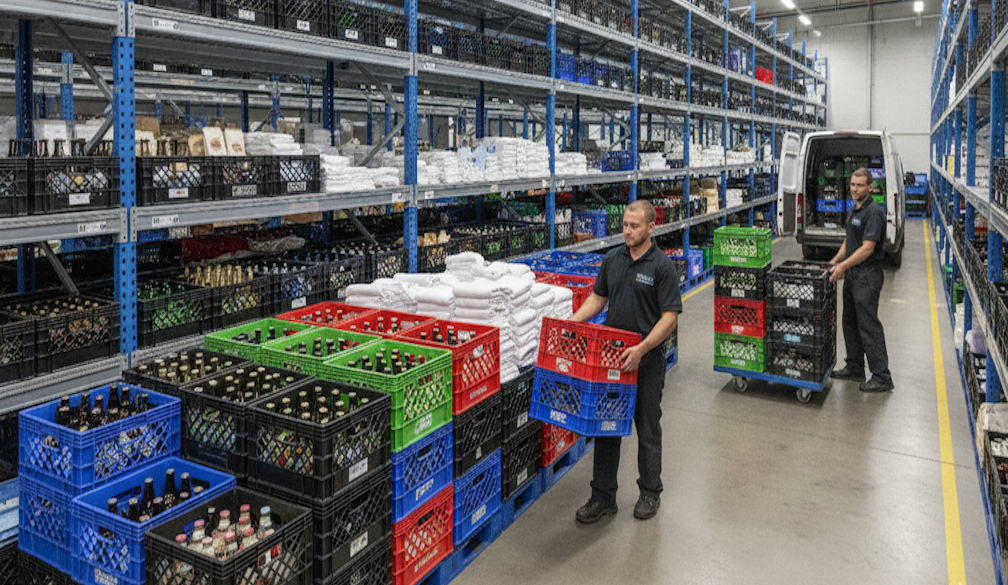
Milk crates are widely used in retail environments because they simplify inventory handling while helping businesses maximise available storage space. Their stackable design allows retailers to organise stock vertically, which is particularly useful in backrooms and storerooms where floor space is limited.
Many businesses also use colour-coded crates to improve organisation and efficiency. Different crate colours can be used to separate departments, product categories, or delivery schedules, making stock identification much faster for staff during busy trading periods.
Because milk crates are lightweight yet highly durable, they also make stock handling easier and safer compared to heavier or less practical storage options.
Supporting Fast-Paced Hospitality Environments
Hospitality businesses such as restaurants, bars, cafés, catering companies, and event venues place heavy demands on their storage and transport equipment. Staff are constantly moving beverages, ingredients, kitchen supplies, and cleaning products throughout the day.
Milk crates are ideal for these environments because they are designed to withstand frequent handling and heavy loads. Unlike cardboard boxes that can weaken from moisture or repeated use, plastic milk crates maintain their strength and structure over time.
Their open design also allows airflow and visibility, which can be beneficial in food and beverage environments where accessibility and organisation are important. Staff can quickly identify contents without needing to unpack containers, helping improve operational efficiency during busy service periods.
Hospitality venues also appreciate how easy milk crates are to clean and maintain. Plastic crates can be wiped down or washed when necessary, making them suitable for workplaces where hygiene standards are essential.
The Importance of Durability and Long-Term Value
One of the biggest reasons businesses continue to invest in milk crates is their long lifespan. High-quality crates are built to handle years of daily use without easily cracking, warping, or breaking.
This durability makes them a cost-effective alternative to disposable storage materials. While cardboard boxes may require regular replacement, reusable plastic crates provide long-term value by reducing replacement costs and minimising waste.
Brands such as Richmond have become recognised for supplying durable storage solutions designed for demanding Australian workplaces. Businesses looking for reliable crate systems often prioritise quality products that can withstand constant commercial use without compromising performance.
Because milk crates are reusable, they also support more sustainable workplace practices. Many businesses are now focusing on reducing waste and moving away from disposable packaging solutions wherever possible.
Improving Workplace Organisation and Efficiency
Efficient organisation can have a major impact on productivity in retail, hospitality, and warehouse environments. Poorly organised storage areas often lead to slower workflows, misplaced stock, and unnecessary handling errors.
Milk crates provide a simple yet highly effective way to improve workplace organisation. Businesses can easily sort products into categories, assign storage zones, and create more structured inventory systems using stackable crates.
For example, hospitality venues may separate glassware, bottled drinks, cleaning supplies, and fresh ingredients into different crates. Retail businesses may organise inventory based on departments, seasonal products, or supplier deliveries.
Because milk crates are easy to move and reconfigure, businesses can quickly adapt storage layouts as operational needs change. This flexibility is especially valuable in workplaces where inventory volumes regularly fluctuate.
Why Milk Crates Continue to Remain Popular
Despite advancements in warehouse systems and storage technology, milk crates remain one of the most practical and widely used storage solutions available. Their simple design continues to deliver reliable performance across countless industries because it addresses everyday operational needs effectively.
For businesses looking to improve organisation, maximise storage space, and invest in reusable long-term solutions, milk crates continue to offer outstanding value. Their combination of durability, versatility, and convenience ensures they remain an essential part of retail, hospitality, and logistics operations throughout Australia.