Cardiology Treatment and Rehabilitation: A Path Toward Heart Recovery
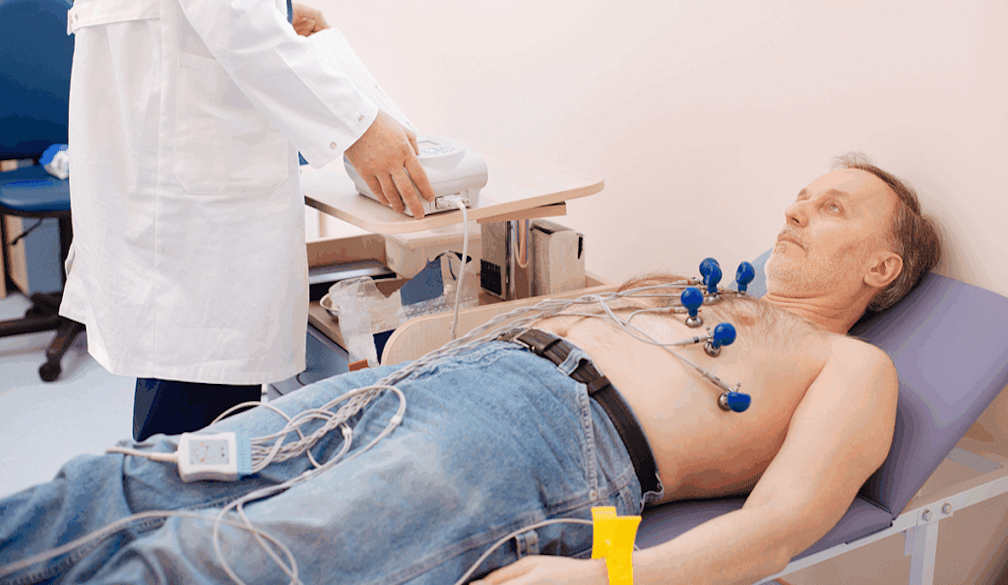
Cardiovascular diseases remain one of the most significant health challenges worldwide. Conditions affecting the heart and blood vessels, such as coronary artery disease, heart attacks, and aortic aneurysms, require timely diagnosis and appropriate treatment. However, successful heart care does not end with medical procedures alone. Cardiology treatment and rehabilitation play a crucial role in helping patients recover, improve heart function, and return to a healthier lifestyle.
Modern cardiology focuses not only on treating the condition but also on supporting patients through long-term recovery and prevention strategies.
Understanding Cardiology Treatment
Cardiology treatment involves a range of medical approaches designed to manage and treat heart conditions effectively. Depending on the patient’s diagnosis, treatment may include medications, minimally invasive procedures, or surgical interventions.
Leading healthcare institutions provide advanced cardiology services supported by modern medical technologies and experienced specialists. Their goal is to offer personalized treatment plans that address each patient’s specific cardiovascular condition while ensuring the best possible outcomes.
Common treatment approaches may include:
Medication Therapy
Medications are often prescribed to control blood pressure, manage cholesterol levels, reduce inflammation, and prevent blood clots. These medications help stabilize heart function and reduce the risk of complications.
Minimally Invasive Procedures
Some heart conditions require interventional procedures such as angioplasty, stent placement, or catheter-based treatments. These procedures restore proper blood flow and improve heart function without the need for major surgery.
Surgical Treatments
In more complex cases, surgical procedures may be necessary. For example, patients with severe blockages or structural heart problems may require bypass surgery or repair of damaged blood vessels.
Treatment for Aortic Aneurysms
An aortic aneurysm occurs when a section of the aorta, the body’s largest artery, becomes weakened and begins to bulge. If left untreated, the aneurysm can enlarge and potentially rupture, leading to life-threatening complications.
Treatment depends on the size and growth rate of the aneurysm. Small aneurysms may be monitored regularly through imaging tests, while larger or rapidly growing aneurysms may require surgical repair. Patients can learn more about available medical approaches through resources such as CARDIOLOGY Treatment and Rehabilitation, which explains treatment options and recovery processes in detail.
The Importance of Cardiac Rehabilitation
After treatment or surgery, rehabilitation becomes an essential part of recovery. Cardiac rehabilitation programs are designed to help patients regain physical strength, improve heart health, and reduce the risk of future cardiovascular events.
A comprehensive rehabilitation program often includes:
- Supervised physical exercise to strengthen the heart and improve endurance
- Nutritional counseling to promote heart-healthy eating habits
- Lifestyle education to help patients manage risk factors such as smoking, stress, and high blood pressure
- Psychological support to assist patients in coping with the emotional impact of heart disease
These programs are typically supervised by cardiologists, physiotherapists, and nutrition specialists who work together to ensure safe and effective recovery.
Long-Term Heart Health Management
Recovery from a cardiovascular condition is an ongoing process. Patients are encouraged to maintain regular medical check-ups, follow their prescribed treatment plans, and adopt healthy lifestyle habits.
Simple changes such as regular exercise, balanced nutrition, maintaining a healthy weight, and managing stress can significantly improve long-term heart health. These habits also reduce the likelihood of future cardiovascular complications.
Supporting Recovery Through Healthy Lifestyle Choices
In addition to medical care and rehabilitation programs, maintaining overall wellness is essential for long-term cardiovascular health. Lifestyle-focused resources can provide helpful guidance on healthy habits, nutrition, and daily wellness practices. Platforms offer valuable insights into balanced living and wellness strategies that support heart health and improve overall quality of life.