


Why Taking A First Aid Course In Maitland Is A Smart Life Skill?
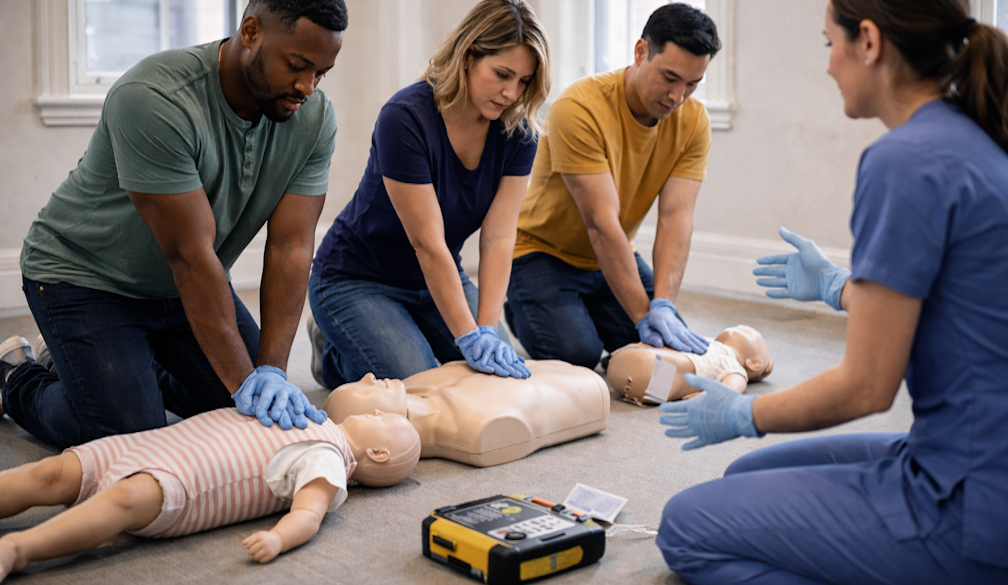
Emergencies can occur at any moment, as life is unpredictable. In the event of a medical emergency, the capacity to respond promptly and efficiently can have a substantial impact, regardless of whether one is in a public space, at work, or at home. Learning first aid is not only about helping others in distress but also about building confidence, responsibility, and preparedness in everyday life. Enrolling in a first aid course that Maitland residents trust is a practical step toward becoming someone who can act calmly and efficiently when it matters most.
Building Confidence In Emergency Situations
The confidence that first aid training instils is one of its most significant advantages. In emergencies, panic and uncertainty can delay critical assistance. First aid education teaches individuals how to assess situations, prioritise actions, and provide immediate care while waiting for professional medical help. This confidence extends beyond emergencies, helping individuals feel more capable and secure in their daily lives.
Training offers participants the opportunity to exercise techniques in a controlled environment by providing them with hands-on experience in real-life scenarios. By understanding how to respond to injuries, breathing difficulties, or sudden illnesses, individuals can replace fear with informed action.
Protecting Family, Friends, And Community
Accidents and health emergencies often occur in familiar environments such as homes, workplaces, and community spaces. Knowing how to respond effectively can protect loved ones and even strangers in need. A first aid course in Maitland equips participants with essential skills to manage situations like burns, cuts, allergic reactions, fractures, and choking incidents.
Parents, caregivers, teachers, and community volunteers particularly benefit from these skills because they frequently interact with children, elderly individuals, and others who may be more vulnerable. Immediate care can prevent complications and stabilise a person until medical professionals arrive.
Learning Life Saving Techniques
First aid courses go beyond treating minor injuries. They also teach life-saving techniques that can make the difference between life and death. Participants learn how to recognise cardiac arrest, perform CPR, and assist someone who is choking or unconscious.
Individuals acquire the capacity to administer rescue respiration and chest compressions through CPR courses Maitland, which assists in the preservation of the oxygen and blood supply to critical organs. Quick action during cardiac emergencies significantly improves survival chances, making CPR training an invaluable component of first aid education.
Enhancing Workplace Safety And Responsibility
Safety in the workplace is a top priority in all sectors. Employees trained in first aid contribute to a safer work environment by responding promptly to accidents and health emergencies. Many employers value staff members who possess first aid skills, as it demonstrates responsibility, leadership, and preparedness.
First aid training helps workers understand hazard awareness, injury prevention, and proper response procedures. This knowledge not only protects coworkers but also reduces the severity of workplace incidents.
Promoting Calm And Effective Decision Making
Emergencies often create chaos and confusion. First aid training emphasises staying calm, assessing risks, and making logical decisions under pressure. These skills are valuable in everyday situations beyond medical emergencies, such as managing stressful events or responding to unexpected challenges.
By learning structured response methods, individuals develop problem-solving abilities and emotional control. This ability to remain composed can influence outcomes positively during both minor incidents and critical situations.
Supporting Community Safety And Preparedness
Communities become safer when more people are trained in first aid. In public emergencies, trained individuals can provide immediate assistance before paramedics arrive. This quick response can prevent injuries from worsening and may even save lives.
When residents invest in first aid education, they contribute to a culture of preparedness and mutual support. Community events, schools, sports clubs, and workplaces all benefit from having trained individuals ready to respond.
A Skill That Lasts A Lifetime
First aid is not a skill learned once and forgotten. It is a lifelong asset that continues to provide value in various situations. From helping a child with a minor injury to responding to a serious medical emergency, the knowledge gained remains relevant and useful.
Regular refresher courses ensure skills stay current and aligned with updated medical guidelines. This ongoing learning reinforces confidence and preparedness over time.










