Small, realistic increases in physical activity shown to significantly reduce risk of early death
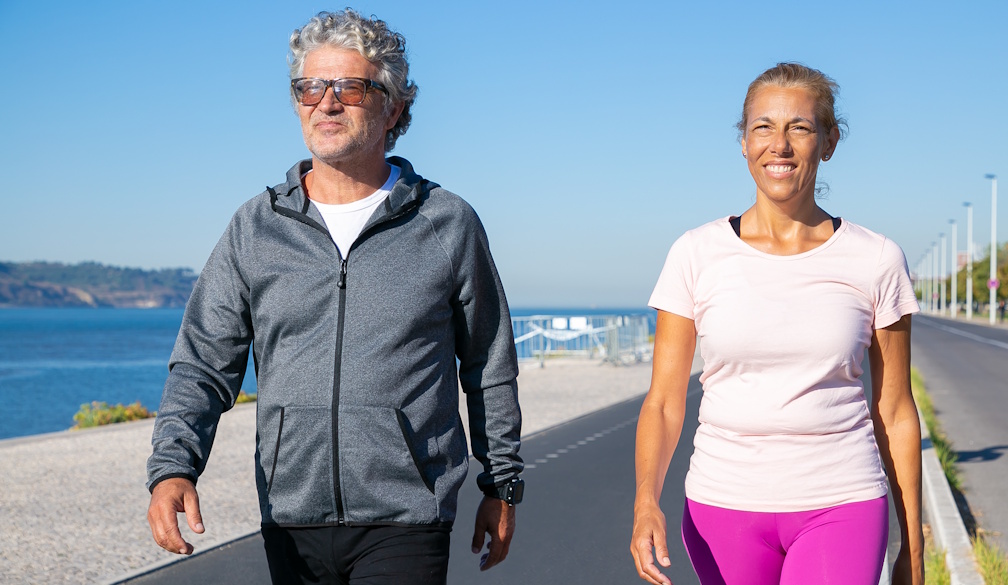
Just Five Minutes More a Day Could Prevent Thousands of Deaths, Landmark Study Finds
Small, realistic increases in physical activity shown to significantly reduce risk of early death
A major international study published in The Lancet1 has found that as little as five extra minutes of moderate-to-vigorous physical activity a day could prevent up to one in ten early deaths, challenging the idea that only large lifestyle changes deliver meaningful health benefits.
The study, one of the most comprehensive analyses of its kind, analysed device-measured physical activity data from more than 135,000 adults across Europe and the United States. Researchers found that small, achievable changes in daily movement, such as brisk walking or climbing stairs, can have a profound impact on population health, particularly among the least active people.
Additionally, researchers found that reducing sedentary time by 30 minutes a day, such as sitting less at work or at home, could prevent 3% of deaths in high-risk individuals and more than 7% of deaths at a populations level.
Rethinking public health advice
Physical inactivity is estimated to cause as much as 7–9% of global mortality1. This study suggests that public health messaging should emphasise progress over perfection.
“This research shows that you don’t need to overhaul your life or train for a marathon to gain real health benefits,” says Professor David Castle from Clarity Health Care. “Small, realistic increases in movement can save lives - especially among those who are least active.”
The largest benefits were seen when people moved from doing almost no activity to doing just a little more. Gains plateaued at higher levels of activity, reinforcing the message that the biggest health returns come from helping inactive people move more.
Mental health benefits
While the study focused on physical health outcomes, physical activity is known to deliver powerful mental health benefits, says Professor Castle.
“A reduction in sedentary time and increase in physical activity improves mental health in myriad ways,” he says. “It can help people sleep better, reduce fatigue, improve body image and mood, and has a direct effect on the brain that can alleviate depression - possibly through inflammatory cascades. Exercise increases cerebral and peripheral circulation, which is great for overall health. There’s also growing evidence that higher levels of physical activity in midlife and later life are associated with a lower risk of developing dementia2.”
Professor Castle emphasises that activity must be practical and fit into daily life.
“Simple changes such as getting off public transport one stop early and walking the rest of the way, taking the stairs, or doing short bursts that get you a bit puffed are often more sustainable than ambitious gym plans. Even 20 minutes, three times a week, can make a real difference. Gym can be intimidating but it can also help with socialisation, which has its own benefits,” he says.
Optimal Health Program offers research-driven practical wellbeing support
The Optimal Health Program (OHP) from Clarity Health Care is an evidence-based wellbeing program that puts self-management and empowerment at the centre of care. As Professor Castle notes, “OHP covers physical and mental health in parallel, with reciprocal benefits by using SMART goals3 and setting realistic challenges which build incrementally.”
Backed by multiple randomised controlled trials and almost 30 peer-reviewed publications, it has been shown to reduce hospital admissions by 50% in the 12 months post completion, and significantly improve wellbeing, anxiety, depression and self-efficacy across conditions including diabetes, chronic kidney disease and Long Covid.
References:
1 https://pubmed.ncbi.nlm.nih.gov/41544645/
2 https://jamanetwork.com/journals/jamanetworkopen/fullarticle/2841638
3: SMART goals: Specific, Measurable, Achievable/Attainable, Relevant/Realistic, and Time-bound/Timed