


How to Get 3-Phase Power at Home
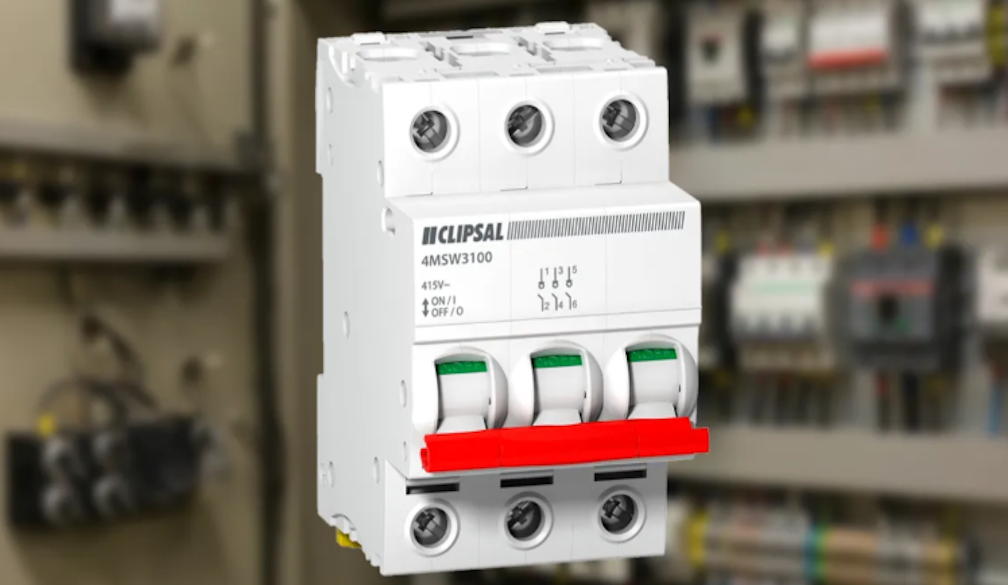
Three-phase power is commonly used in commercial and industrial settings, but some homeowners require it for specific residential applications. Properties with large air conditioning systems, high-powered workshop equipment, electric vehicle chargers, or other energy-intensive appliances may benefit from upgrading to three-phase power. Understanding the process, requirements, and considerations helps homeowners determine whether this upgrade is suitable and how it can be completed safely and legally.
Understanding Single-Phase vs Three-Phase Power
Most residential properties are connected to single-phase power. Single-phase supply is adequate for standard lighting, appliances, and general household use. However, it can become limiting when multiple high-demand systems operate simultaneously. Voltage drops, frequent circuit overloads, or the inability to run certain machinery may indicate that three-phase power is worth considering.
Three-phase power delivers electricity through three active wires instead of one. This arrangement provides a more consistent and balanced supply of energy. It allows heavy loads to operate more efficiently and reduces strain on individual circuits. For homes with advanced electrical requirements, the upgrade can improve performance and expand capacity.
The first step in obtaining three-phase power at home is confirming availability. Not all residential areas are serviced with three-phase infrastructure. A licensed electrician typically contacts the local electricity distributor to determine whether the street network can support a three-phase connection. If the infrastructure is already present, the process is generally more straightforward. If not, significant network upgrades may be required, which can increase costs.
Once availability is confirmed, the property’s switchboard and internal wiring must be assessed. Many homes built with single-phase supply are not equipped to handle three-phase input without modifications. The main switchboard may require replacement or upgrading to accommodate additional circuits and protective devices. In some cases, new cabling must be installed from the point of supply to the meter box.
Midway through the planning stage, homeowners often research detailed guidance on how to get 3 phase power at home to understand the technical and regulatory steps involved. This includes reviewing distributor requirements, application procedures, metering changes, and compliance standards. Working with a qualified electrician ensures that all aspects of the upgrade meet electrical codes and safety regulations.
After the application is submitted, the electricity distributor reviews the request. Approval may involve site inspections or confirmation that the local transformer can support the additional load. The distributor may provide a quotation outlining connection fees and any required infrastructure work. These costs vary depending on location, distance from the network, and complexity of installation.
Once approved, installation work can proceed. This typically involves running new supply cables, upgrading the meter to a three-phase meter, and reconfiguring the switchboard. The electrician distributes circuits across the three phases to balance loads efficiently. High-demand appliances may be assigned to separate phases to reduce the risk of overload.
Homeowners should also consider whether their appliances are compatible with three-phase supply. Some equipment is specifically designed for three-phase operation, while other household devices continue to function on single-phase circuits within a three-phase system. The electrician ensures that each appliance is connected correctly and safely.
Costs and Practical Benefits of Three-Phase Power
Costs associated with upgrading to three-phase power vary. Factors include distributor fees, meter upgrades, switchboard replacement, cable runs, and labour. In some cases, trenching or underground cable installation may be necessary if the existing supply line is inadequate. Obtaining a detailed quotation before proceeding helps homeowners evaluate the financial commitment.
There are practical advantages to three-phase power. It supports larger solar systems and battery storage setups, enabling more efficient energy distribution. Electric vehicle chargers can operate at higher capacities, reducing charging time. Workshops and home businesses using industrial-grade machinery can run equipment without overloading circuits. Additionally, overall electrical stability may improve when loads are balanced across three phases.
However, the upgrade may not be necessary for every household. Homes without high-powered equipment may find that a single-phase supply remains sufficient. An electrician can assess current and future energy demands to determine whether the investment is justified. Planning for future renovations or appliance upgrades may also influence the decision.
Safety remains a priority throughout the process. Only licensed electricians and authorised distributors can perform three-phase installations. Attempting unauthorised modifications poses serious risks, including electrical hazards, property damage, and legal consequences. Compliance certificates and inspections confirm that the installation meets required standards.
Ongoing maintenance for a three-phase system is similar to that of a single-phase system. Routine electrical inspections, proper load management, and timely repairs ensure reliable performance. Homeowners should retain documentation of the upgrade for future reference, especially if selling the property or conducting additional renovations.
Conclusion
Obtaining three-phase power at home involves confirming network availability, applying through the electricity distributor, upgrading the switchboard and metering system, and ensuring all work complies with safety regulations. While the process can involve significant planning and cost, it offers increased capacity, improved load balancing, and support for high-demand equipment. By consulting a licensed electrician and carefully assessing energy needs, homeowners can determine whether upgrading to three-phase power is a practical and beneficial solution.










