Keeping Your Soft Furnishings Fresh And Flawless For Longer
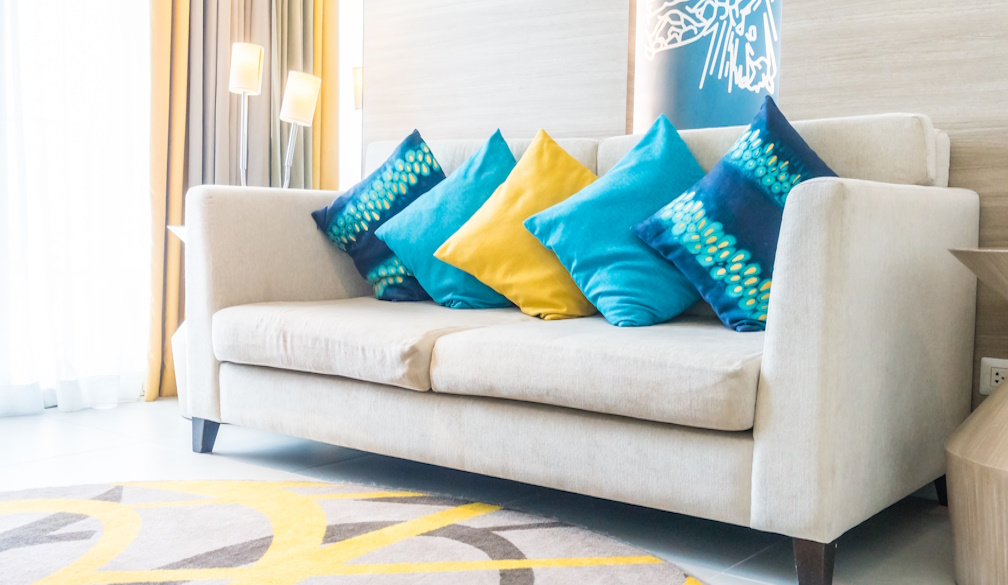
Your home is your sanctuary, and nothing defines its comfort and style quite like your soft furnishings. From the plush velvet sofa in the living room to the heavy drapes framing your view of the garden, these fabric elements are crucial to the atmosphere of your living space.
They add warmth, texture, and personality to a room. However, unlike hard surfaces that can be easily wiped down with a damp cloth, upholstery and heavy fabrics absorb the impacts of daily life. Dust, pollen, cooking odours, spills, and skin cells settle deep into the fibres, often going unnoticed until the fabric begins to look dull or smell musty.
Maintaining these items is not just about keeping up appearances; it is about preserving the significant financial investment you have made in your interiors. High-quality sofas and curtains are not cheap to replace. With the right care strategy, you can extend the life of your favourite furniture pieces significantly and ensure your home remains a healthy, inviting environment for your family and guests.
The Hidden Health Impact of Soft Furnishings
While a visible coffee stain on the sofa is an obvious visual nuisance, the invisible accumulation of particles within the fabric is often the greater concern. Soft furnishings act as giant filters in your home, trapping airborne pollutants and allergens. This filtering process is beneficial initially as it pulls particles out of the air, but over time, if these trapped contaminants are not removed, the furniture itself becomes a source of pollution, contributing to poor indoor air quality.
For families with allergy sufferers, this is particularly critical. According to Healthdirect in Australia, upholstered furniture, carpets, and curtains are primary breeding grounds for dust mites which are known triggers for asthma and eczema. These microscopic pests thrive in the humid, fibrous environments provided by your lounge suite, feeding on dead skin cells. Regular, deep cleaning is the only effective way to disrupt their lifecycle and remove the allergens they produce, ensuring your relaxation space does not become a health hazard.
When to Call the Professionals
While regular domestic vacuuming is essential, household machines often lack the suction power to extract debris from the base of the cushion foam or the depth of the carpet pile. DIY steam cleaners can also be risky; if not used correctly, they can leave fabric too wet, leading to potential mould growth or water stains. This is where professional intervention becomes necessary. Deep steam cleaning or hot water extraction penetrates the fabric, loosening stubborn dirt and sanitising the material without causing damage to delicate weaves.
Geography can also play a role in how often you need this service. In variable climates where windows are often left open, pollen and city dust can accumulate faster. For instance, homeowners arranging upholstery cleaning in Melbourne often do so to combat the specific mix of urban dust and seasonal pollen common in Victoria. Scheduling a professional deep clean once or twice a year acts as a reset for your furniture, removing the buildup that daily chores miss and reviving the vibrancy of the fabric colours.
Preserving Your Interior Design Vision
Beyond hygiene, the condition of your soft furnishings dictates the overall aesthetic of your room. Faded, flattened, or stained upholstery can make even a newly renovated room feel tired and neglected. Conversely, well-maintained fabrics keep a room feeling crisp, intentional, and luxurious.
This is especially true if you are in the process of updating your home's look. You might be planning to transform your interior with trendy new rugs, lighting, or statement furniture pieces. In this context, ensuring your existing upholstery matches the quality of your new additions is vital. There is little point in investing in a modern aesthetic if the centrepiece sofa looks weary. Treating your furnishings with care ensures they continue to complement your evolving style rather than detracting from it, maintaining the visual harmony of your space.
Daily Habits for Fabric Longevity
Between professional deep cleans, your weekly routine plays a massive role in how long your furniture lasts. Small, consistent actions can prevent premature wear and keep fabrics looking fresh for longer.
Consider incorporating these habits into your cleaning schedule:
- Vacuum Weekly: Use the upholstery attachment on your vacuum cleaner to go over sofas and armchairs every week. This prevents dust from grinding into the fibres when you sit down, which acts like sandpaper and causes premature wear.
- Rotate Cushions: We all have a favourite spot on the couch. To prevent uneven sagging and wear patterns, rotate and flip your cushions regularly to distribute the usage.
- Blot, Don't Rub: When a spill happens, the instinct is often to scrub. Instead, use a clean, white cloth to blot the liquid up gently. Rubbing can push the stain deeper and damage the fabric pile permanently.
- Protect from Sunlight: Australian sunlight can be harsh. Prolonged exposure to direct UV rays will fade fabrics and weaken natural fibres. Close blinds or curtains during the hottest part of the day to protect your furniture.
- Check Manufacturer Labels: Before applying any store-bought stain remover, check the cleaning codes on your furniture (usually found under the cushions) to ensure the product will not leave a water ring or bleach the colour.
By combining diligent daily care with periodic professional restoration, you can enjoy your beautiful soft furnishings for years to come. It is a simple equation of maintenance over replacement, saving you money in the long run while keeping your home looking its absolute best.