


Safety Obligations on Damaged or Unstable Buildings: A Complete Guide
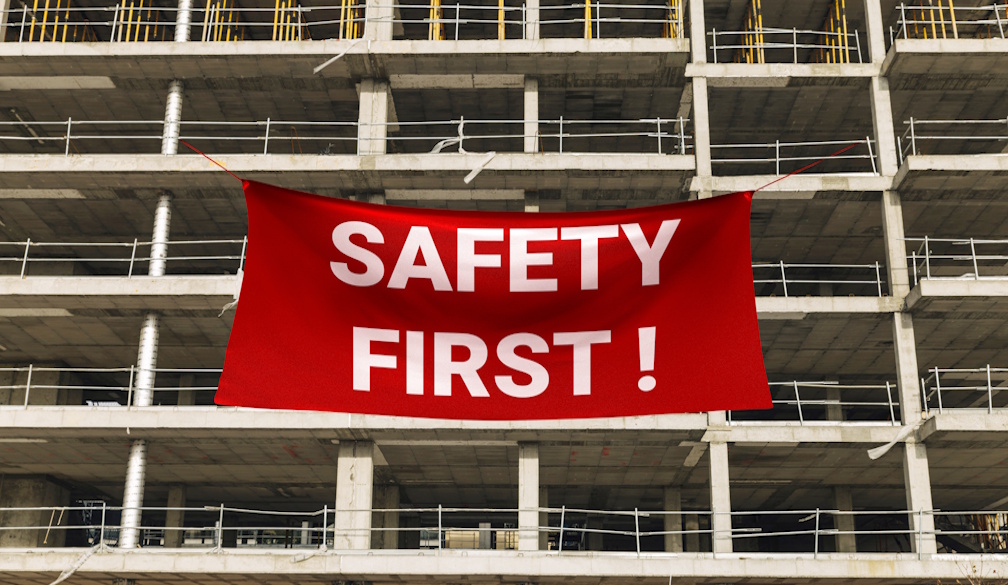
When disaster strikes or structural deterioration occurs, property owners and managers face critical decisions that can impact public safety, legal liability, and financial outcomes. Buildings that have suffered damage from natural disasters, fire, structural failure, or gradual decay present immediate hazards that require swift and responsible action. Understanding the legal and moral obligations surrounding compromised structures is essential for anyone involved in property management, construction, or community safety.
The Legal Framework Governing Structural Safety
Australian building codes and local council regulations establish clear responsibilities for property owners when structures become unsafe. Under the Building Act in various states, owners must ensure their properties do not pose risks to occupants or the public. When a building is deemed structurally unsound, councils have the authority to issue emergency orders, compliance notices, or even demolition directives. Failure to respond appropriately can result in substantial fines, legal action, and criminal charges if injuries occur due to negligence. Property owners are obligated to engage qualified structural engineers to assess damage and provide professional recommendations on remediation or demolition.
Immediate Actions Required for Damaged Structures
The moment structural compromise is identified, property owners must take decisive action to protect public safety. Professional services such as Make Safe Group specializes in securing dangerous buildings through temporary support systems, barricading, and emergency stabilization measures. These interventions prevent further deterioration while comprehensive assessments are conducted. Installing perimeter fencing, erecting warning signage, and ensuring utility disconnection are critical first steps that demonstrate due diligence. According to Safe Work Australia, workplaces must eliminate or minimize risks, and this extends to building owners whose properties could endanger workers or passersby. Documentation of all safety measures taken becomes crucial evidence of compliance with legal obligations.
Professional Assessment and Expert Consultation
Structural engineers play an indispensable role in evaluating the extent of damage and determining whether a building can be salvaged or requires demolition. These professionals conduct thorough inspections examining foundations, load-bearing walls, roof integrity, and material degradation. Their detailed reports guide decision-making and satisfy regulatory requirements for transparency and accountability. Insurance companies also mandate independent assessments before processing claims related to structural damage. Engaging certified professionals not only ensures accurate evaluation but also provides legal protection, as their expert opinions carry significant weight in disputes or litigation.
Beyond structural engineers, building surveyors, geotechnical consultants, and environmental specialists may be required depending on the nature of the damage. For instance, flood-damaged buildings need moisture assessments to prevent mold growth, while fire-damaged structures require analysis of heat-weakened steel and concrete. Asbestos testing becomes mandatory for buildings constructed before the 1990s, as disturbing asbestos-containing materials during repairs or demolition poses severe health risks. Coordinating multiple specialists ensures comprehensive understanding of all safety hazards and compliance requirements.
Community Safety and Notification Responsibilities
Property owners must balance their financial interests with their duty to protect surrounding communities. When unstable buildings threaten adjacent properties or public spaces, immediate notification to local councils becomes mandatory. Neighboring property owners deserve timely information about potential risks, allowing them to take precautionary measures. Transparent communication with residents, businesses, and local authorities builds trust and demonstrates responsible ownership. Emergency services should also be informed of structural hazards to ensure they can respond effectively if collapse occurs. This proactive approach to community safety often mitigates legal exposure while preserving relationships with stakeholders.
Insurance, Liability, and Financial Considerations
The financial implications of damaged buildings extend beyond repair costs to encompass liability for injuries, property damage to others, and potential legal fees. Comprehensive insurance coverage should include public liability protection, though policies often contain exclusions for known defects or deferred maintenance. Property owners who fail to address documented structural issues may find their claims denied. Additionally, the cost of emergency stabilization, ongoing security, and eventual demolition or reconstruction can be substantial. Budget planning must account for professional fees, permits, disposal of hazardous materials like asbestos, and compliance with environmental regulations during demolition processes.
Temporary accommodation costs for displaced residents or business interruption expenses can accumulate rapidly while safety issues are resolved. Property owners should review their insurance policies carefully to understand coverage limits, excess payments, and notification requirements following damage incidents. Some policies require immediate reporting of structural issues, with delays potentially voiding coverage. Legal counsel specializing in property law can provide guidance on contractual obligations to tenants, mortgage holders, and other stakeholders when buildings become uninhabitable.
Long-term Management and Prevention Strategies
Preventing buildings from reaching critical instability requires proactive maintenance programs and regular professional inspections. Establishing scheduled assessments every few years helps identify minor issues before they escalate into dangerous conditions. Keeping detailed maintenance records demonstrates responsible ownership and can prove invaluable during insurance claims or regulatory investigations. Property owners should also stay informed about local building code updates and extreme weather patterns that might affect structural integrity. According to the Australian Building Codes Board, understanding current standards for construction and maintenance is essential for long-term property safety and compliance.
Conclusion: Balancing Responsibility with Action
Navigating the complexities of damaged or unstable buildings requires immediate action, professional expertise, and unwavering commitment to public safety. Property owners must recognize that their obligations extend beyond legal compliance to encompass moral responsibility for protecting lives and surrounding properties. By engaging qualified professionals, maintaining transparent communication with authorities and communities, and implementing comprehensive safety measures, owners can effectively manage risks while minimizing liability. The investment in proper assessment, emergency stabilization, and either remediation or controlled demolition ultimately protects both human lives and financial interests. In an era of increasing extreme weather events and aging infrastructure, understanding these obligations has never been more critical for responsible property stewardship.










