Common Facade Design Mistakes (and How to Avoid Them)
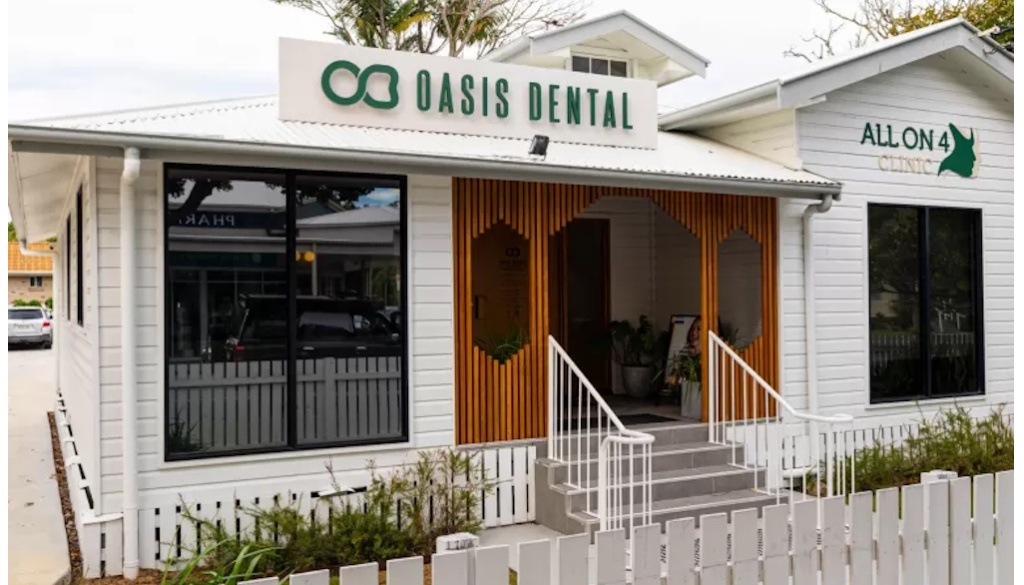
A building’s façade is more than just its outer shell—it’s the first impression, a reflection of function, and a key contributor to long-term value. Whether it’s a residential home, commercial building, or multi-unit development, poor façade decisions can quickly date a property, create maintenance headaches, or even reduce street appeal and resale value.
Here are some of the most common façade design mistakes—and, more importantly, how to avoid them with thoughtful planning and professional input.
Prioritising Looks Over Function
One of the most frequent mistakes in façade design is focusing solely on aesthetics without considering how the materials and layout will perform over time. While bold finishes and architectural features may look impressive initially, they can become liabilities if they don’t suit the climate, orientation, or usage of the building.
For example, highly reflective surfaces can create glare issues, while certain cladding materials may struggle in Australia’s fluctuating weather conditions. A well-designed façade balances visual appeal with durability, energy efficiency, and ease of maintenance—something experienced designers and suppliers like Melbourne’s leading gate specialists understand well when integrating façades with entry systems and boundary structures.
Ignoring Proportion and Scale
A façade that feels “off” often suffers from poor proportion. Oversized windows, undersized entryways, or an unbalanced mix of materials can make a building feel awkward or visually cluttered. This mistake is especially common when homeowners attempt to incorporate too many design ideas at once. Consistency in scale—ensuring that doors, windows, gates, and architectural features all relate harmoniously—is key to creating a façade that feels intentional rather than pieced together.
Choosing the Wrong Materials for the Environment
Not all materials are suitable for all locations. Coastal areas, high-traffic urban streets, and leafy suburban environments each present different challenges.
Using materials that aren’t designed for local conditions can lead to fading, corrosion, warping, or premature wear. For façades that include metal elements, fencing, or gates, material selection is especially important to avoid rust and discolouration. Opting for materials with proven performance in Australian conditions helps protect both appearance and structural integrity.
Overcomplicating the Design
While layered textures and mixed materials can add depth, overcomplicating a façade often has the opposite effect. Too many colours, finishes, or architectural styles competing for attention can make a building feel busy and dated. A strong façade usually follows a clear design language, supported by a limited and cohesive palette. Subtle contrast tends to age far better than overly trendy combinations that may fall out of favour within a few years.
Neglecting the Entry Experience
The entryway is one of the most important parts of any façade, yet it’s often treated as an afterthought. Poorly defined entrances, hidden doors, or mismatched gates can make even an attractive building feel uninviting. Clear sightlines, logical pathways, and a well-designed gate or door system help guide visitors naturally to the entrance. When the façade and entry elements work together, the result is both practical and visually welcoming.
Forgetting About Long-Term Maintenance
A façade may look stunning on day one, but if it requires constant upkeep, repairs, or repainting, it can quickly become a burden. High-maintenance materials, complex detailing, and hard-to-access surfaces can significantly increase ongoing costs. Designing with longevity in mind—choosing finishes that weather gracefully and structures that are easy to maintain—ensures the façade remains an asset rather than a liability.
Failing to Integrate Security and Privacy
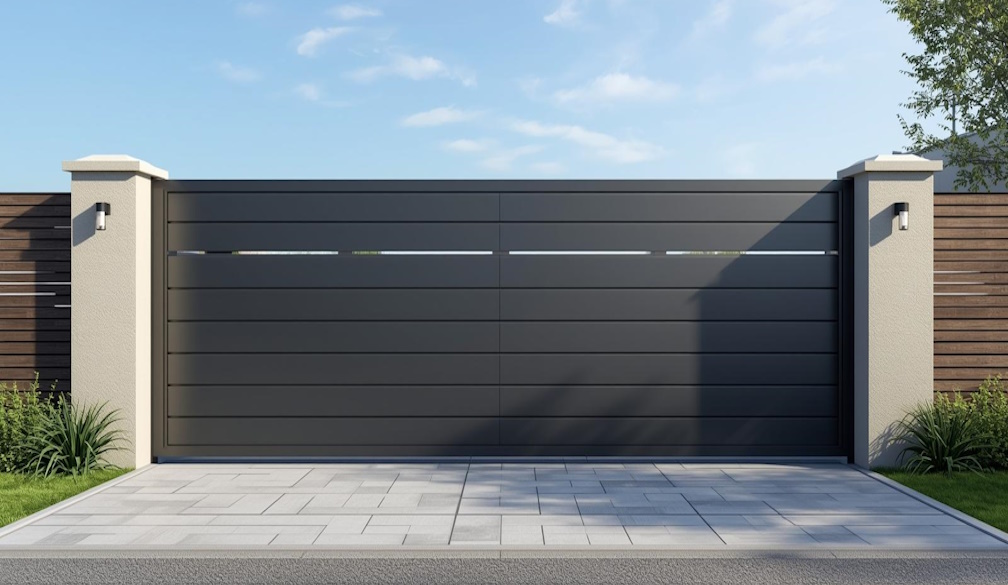
Security features are sometimes added as an afterthought, resulting in awkward bolt-ons that clash with the overall design. Gates, fencing, and screening should be considered as part of the façade from the beginning. When integrated thoughtfully, security elements can enhance the architectural character rather than detract from it. A cohesive approach allows privacy, safety, and style to coexist seamlessly.
How to Get Facade Design Right
Avoiding these common mistakes comes down to planning, restraint, and collaboration. Engaging professionals who understand architecture, materials, and local conditions can make a significant difference to the final outcome.
A successful façade doesn’t shout—it communicates confidence, functionality, and quality. By balancing aesthetics with practicality and thinking long-term, property owners can create façades that stand the test of time while enhancing value and street presence.
 "Pin It")