


Tips for Preparing Financially to Purchase a Home
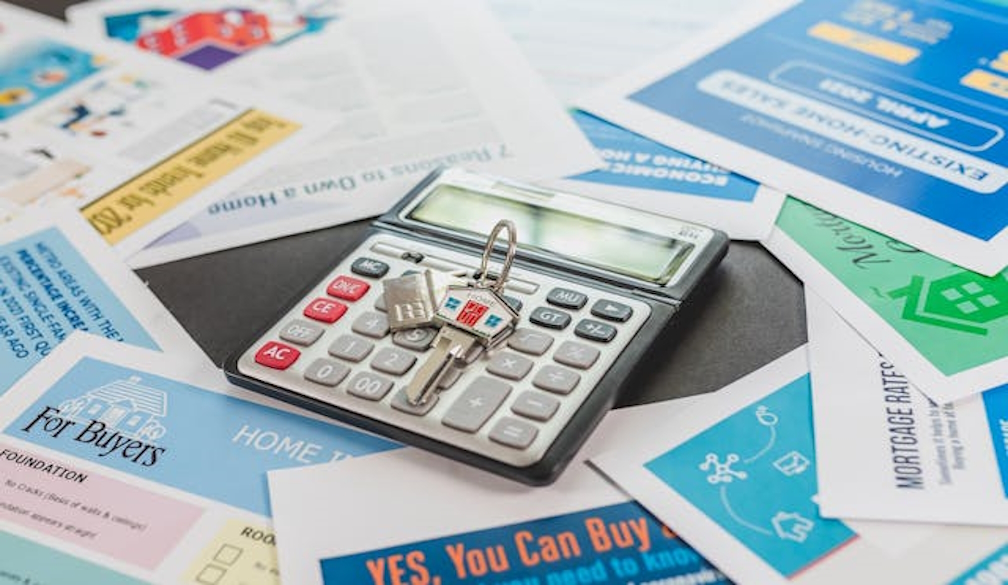
Buying a home is an exciting milestone, but it also requires careful financial preparation. Beyond finding the right property, being financially ready helps ensure a smoother buying process and long-term stability after the purchase. Taking time to organise your finances before you start house hunting can reduce stress, improve your borrowing power, and help you make confident decisions.
Preparing financially isn’t just about saving money. It involves understanding your budget, managing debt, planning for additional costs, and setting realistic expectations. The tips below outline practical steps to help you feel prepared and in control when purchasing a home.
Understand Your Financial Position
The first step in preparing to buy a home is gaining a clear picture of your current financial situation. Review your income, expenses, savings, and existing debts to understand how much you can realistically afford.
Tracking spending over several months can reveal areas where you can save more effectively. This awareness allows you to set realistic goals and avoid overextending yourself when it comes time to buy.
Set a Realistic Budget
A realistic budget is essential for both the purchase and long-term ownership of a home. Consider not only the property price but also ongoing expenses such as utilities, council rates, insurance, maintenance, and potential body corporate fees.
Leaving room in your budget for unexpected costs helps protect your financial well-being. A home should support your lifestyle, not limit your ability to manage other financial priorities.
Save for a Deposit and Additional Costs
Saving for a deposit is one of the most important financial steps. A larger deposit can improve your loan options and reduce long-term interest costs.
In addition to the deposit, buyers should prepare for upfront costs such as stamp duty, legal fees, inspections, and moving expenses. Planning for these costs early prevents last-minute financial strain.
Manage and Reduce Existing Debt
Lenders closely examine existing debts when assessing loan applications. Reducing credit card balances, personal loans, or car finance can improve your borrowing capacity and increase approval chances.
Consistently paying down debt also demonstrates strong financial discipline. This can positively influence lenders and help you secure more favourable loan terms.
Build a Strong Savings History
A consistent savings history shows lenders that you can manage money responsibly. Regular contributions to savings accounts, even in small amounts, demonstrate reliability and financial discipline.
Avoid making large, unexplained withdrawals before applying for a loan. Maintaining stable savings habits strengthens your financial profile and builds confidence in your ability to handle mortgage repayments.
Research Property Options Carefully
Understanding the property market helps you make decisions and avoid overpaying. Research recent sales, market trends, and future developments in your chosen area.
Buyers exploring opportunities such as Palmview land for sale often consider long-term growth potential, lifestyle appeal, and development plans to ensure the purchase aligns with both financial goals and future needs.
Plan for Long-Term Financial Stability
Buying a home is a long-term commitment, so it’s important to think beyond the initial purchase. Consider how changes in income, family size, or career may affect your finances in the future.
Building an emergency fund alongside your home savings helps protect against unexpected expenses. Long-term financial planning ensures that homeownership remains a positive and sustainable investment.
Seek Professional Financial Advice
Professional advice can provide valuable insights into budgeting, loan structures, and tax considerations. Mortgage brokers and financial advisers help you understand options and choose solutions that align with your financial goals.
Expert guidance reduces uncertainty and helps you make informed decisions with confidence.
Avoid Common Financial Mistakes
Many buyers make the mistake of focusing only on the purchase price. Ignoring additional costs, underestimating living expenses, or stretching the budget too far can create financial stress later on.
Taking a cautious, well-planned approach reduces the risk of regret and helps ensure a positive home-buying experience.
Conclusion: Prepare Today for a Confident Purchase
Financial preparation is the foundation of a successful home purchase. By understanding your finances, saving consistently, managing debt, and planning for both upfront and ongoing costs, you place yourself in a strong position to buy with confidence.
A thoughtful approach allows you to focus on finding the right home rather than worrying about financial uncertainty. With preparation and planning, purchasing a home becomes a rewarding step toward long-term security and stability.










