Can exercise reduce period pain? And what kind is best?
- Written by: Mike Armour, Associate Professor at NICM Health Research Institute, Western Sydney University
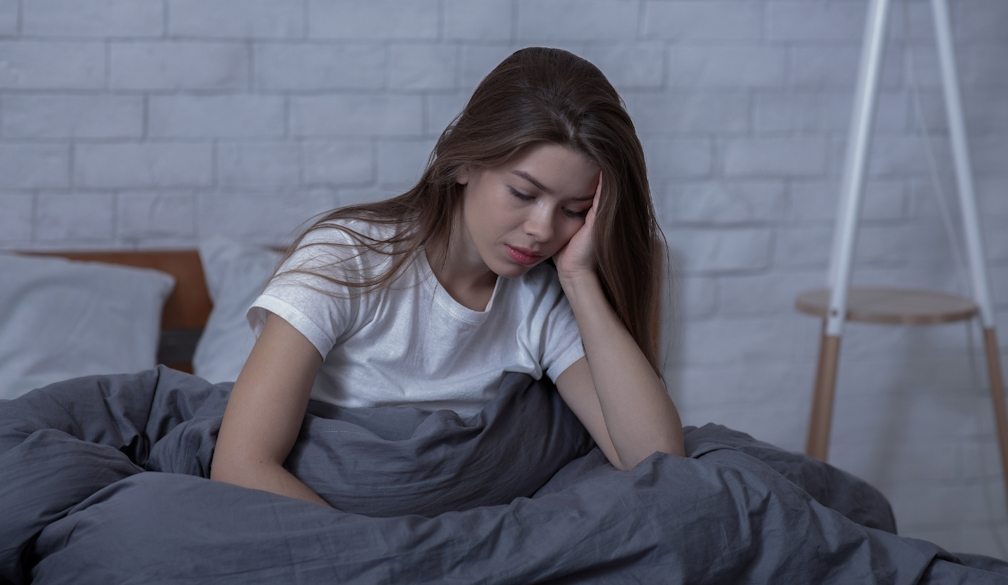
Having your period can be a painful experience.
Period pain, also known as dysmenorrhea, is a very common condition with around nine in ten young women aged 13 to 25 in Australia[1] having regular period pain.
For many women, period pain can make exercise seem like an impossible task.
So should you avoid exercise if you have period pain? Or could exercising actually help?
What causes period pain?
There are two main types of period pain.
The most common is primary dysmenorrhea. This usually means painful cramps in the lower abdomen.
Research suggests this kind of period pain is caused by an increased number of prostaglandins[2]. The body releases these hormone-like molecules when the lining of the uterus breaks down during the period. Prostaglandins can cause many different symptoms including period cramps, back or leg pain and loose bowels, also known as period poops[3].
The other type of period pain is secondary dysmenorrhea, which refers to pain caused by physical changes in the pelvis. One of the most common causes is endometriosis[4], a condition where tissue resembling uterine tissue grows in other parts of the body, leading to severe pain and fertility problems.
Read more: Period pain and heavy bleeding cost the Australian economy billions every year in lost productivity: study[5]
Can exercise reduce period pain?
Unfortunately, period pain is often difficult to treat. Many women don’t respond well[6] to standard period pain treatments. These include non-steroidal anti-inflammatory medications such as ibuprofen or mefenamic acid, also known as Ponstan.
This has led researchers to examine exercise as a way to reduce period pain symptoms. And there is some[7] evidence[8] suggesting that regular physical activity can reduce how severe period pain is, and how long it lasts.
Imagine you have a period pain scale from zero to ten, where zero means no pain and ten indicates the worst pain. Research from 2019[9] suggests exercise can reduce the severity of period pain by an average of 2.5 points. This makes exercise more effective than other self-treatment methods, such as using a heat pack[10].
However, we have only one 2017 study[11] which directly compares the effects of exercise and non-steroidal anti-inflammatory medications on period pain. This means it’s hard to make any clear recommendations. But this study suggests regular exercise is at least as helpful[12] as taking mefenamic acid.
Exercise may also reduce how long period pain lasts. One study from 2025[13] found aerobic exercise, which aims to increase your breathing and heart rate, can shorten the duration of period pain by more than 12 hours.
Many women experience the worst pain in the first 48 hours of their period, so a potential 25% cut in the duration of period pain is significant.
What kinds of exercise are best?
Most of the evidence[14] examining exercise and period pain[15] focuses on aerobic exercise[16]. This includes cycling, swimming and jogging. A handful of studies[17] look at strength training, yoga and relaxation exercises such as gentle stretching.
There is some evidence[18] to suggest strength training relieves period pain more than other kinds of exercise. However, researchers generally study a specific kind of strength training known as isometric exercises. These involve holding muscles in a static position, such as doing a plank.
Other studies show exercises such as progressive muscle relaxation[19], which involves tensing and then relaxing particular muscles, can also be very effective. A 2024 study[20] found women who did relaxation-based exercises, combined with self-massage, experienced the greatest reduction in pain. And because they’re simple to do, participants were more likely[21] to stick with relaxation-based exercises compared to other kinds of physical activity.
But most of this research focuses on primary dysmenorrhea. So for those whose period pain may be caused by an underlying condition, it may be best to start with gentler forms of exercise such as yoga[22]. You can also speak to an exercise physiologist to get personalised advice. This is because we don’t fully understand if more intense exercise[23] has the same effect on period pain caused by other conditions, such as endometriosis.
When and how often should I exercise?
There isn’t much research looking at the effects of exercising specifically during the period. But a 2025 review[24] of existing studies suggests exercising two to three times a week can reduce period pain.
This review found participants who did strength training for at least 30 minutes at a time, over a minimum of eight weeks, experienced the greatest reduction[25] in pain. However, existing research suggests you may start seeing some improvements[26] in both pain intensity and duration in as few as four weeks.
The research is less clear when it comes to aerobic exercise. A 2025 review[27] suggests shorter and less intense sessions of aerobic exercise may be most effective for managing period pain.
So doing at least 90 minutes of exercise a week, for at least eight weeks, may be the best exercise-based way to reduce period pain. This seems to be the case whether you exercise during your period or not. But if you experience any negative symptoms after exercising, such as pain below your belly button when you’re not menstruating, it’s best to speak to a doctor.
The bottom line
Overall, exercise is one way women can manage period pain. Current research suggests any kind of exercise, ranging from yoga to more intense aerobic workouts, can reduce the severity and duration of period pain. So everyone can benefit from exercise, regardless what time of the month it is.
References
- ^ Australia (doi.org)
- ^ prostaglandins (www.acog.org)
- ^ period poops (www.healthline.com)
- ^ endometriosis (www.healthdirect.gov.au)
- ^ Period pain and heavy bleeding cost the Australian economy billions every year in lost productivity: study (theconversation.com)
- ^ don’t respond well (doi.org)
- ^ some (doi.org)
- ^ evidence (doi.org)
- ^ Research from 2019 (doi.org)
- ^ heat pack (doi.org)
- ^ one 2017 study (doi.org)
- ^ least as helpful (doi.org)
- ^ study from 2025 (doi.org)
- ^ evidence (doi.org)
- ^ exercise and period pain (doi.org)
- ^ aerobic exercise (doi.org)
- ^ handful of studies (doi.org)
- ^ some evidence (doi.org)
- ^ progressive muscle relaxation (www.healthywa.wa.gov.au)
- ^ A 2024 study (doi.org)
- ^ more likely (doi.org)
- ^ yoga (doi.org)
- ^ more intense exercise (doi.org)
- ^ a 2025 review (doi.org)
- ^ greatest reduction (doi.org)
- ^ seeing some improvements (doi.org)
- ^ A 2025 review (doi.org)
Read more https://theconversation.com/can-exercise-reduce-period-pain-and-what-kind-is-best-275076