The Contribution Of Diet To Maintaining Mental Health
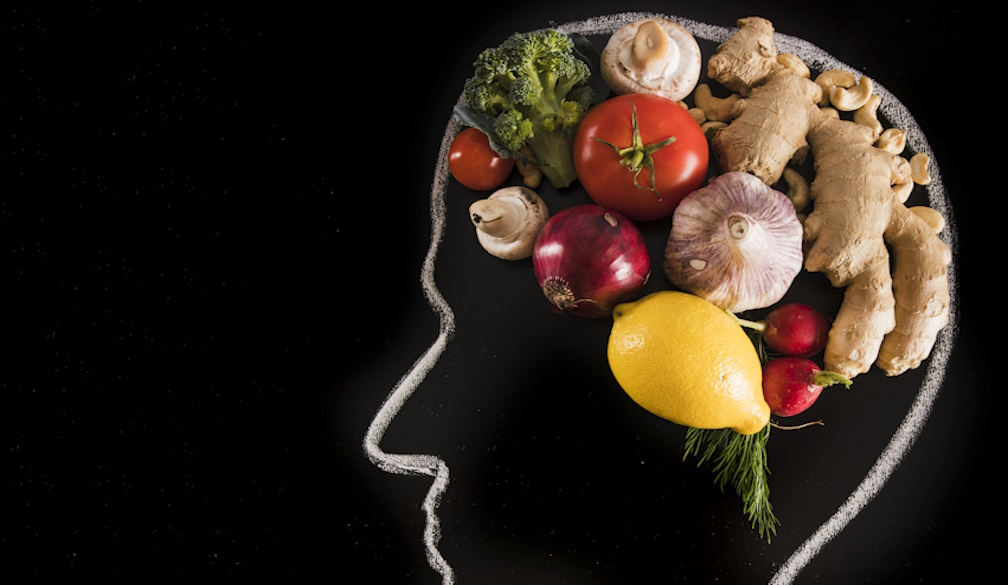
Emotional control and mindfulness are just two aspects of maintaining excellent mental health; eating the correct nutrients is also important. Professionals and people seeking to enhance their general well-being are increasingly concentrating on the relationship between nutrition and mental health. In addition to providing energy for the brain, a healthy diet also helps to maintain mental stability, enhance cognitive performance, and fortify the body's reaction to stress. People are empowered to approach mental health treatment more holistically when they comprehend this link.
The Effects Of Food On Brain Activity
Around 20% of the body's daily caloric intake, making it an energy-intensive organ. Our diet has a direct impact on how well it works. Foods high in nutrients provide the vitamins, minerals, and antioxidants needed to preserve neurons and promote intercellular communication. Conversely, diets heavy in processed foods, sweets, and artificial chemicals may cause mood swings, cognitive issues, and inflammation.
A growing number of educational efforts are highlighting the connection between food and mental health. For instance, the ideas covered in 11379NAT Initial Response to a Mental Health Crisis place a strong emphasis on comprehending how different elements, such as nutrition and lifestyle, may either strengthen or weaken a person's mental health. One of the simplest but most effective strategies for helping someone in need is good nutrition.
Vitamins That Promote Mental Health
In terms of mental health, several nutrients are very crucial. Nuts, seeds, and seafood are common sources of omega-3 fatty acids, which help build healthy brain cells and lower inflammation. B vitamins aid in mood regulation and brain energy generation. Minerals like zinc and magnesium support emotional equilibrium, memory, and relaxation.
Participants in mental health courses often learn how dietary shortages may affect mental resilience, anxiety, and cognitive function. People may improve their emotional stability, lower stress levels, and increase brain clarity by including meals like leafy greens, healthy grains, avocados, and legumes. In this way, eating turns into a vital emotional support system in addition to being a source of physical energy.
The Link Between The Gut And The Brain
The gut-brain axis is a key component of the link between diet and mental health. Millions of neurons are found in the digestive system, which uses chemical and hormonal channels to interact directly with the brain. A steady and balanced mind is facilitated by a healthy stomach. Foods high in probiotics, such as kefir, yoghurt, and fermented vegetables, encourage the growth of beneficial bacteria that improve digestion and emotional regulation.
Because of how powerful this link is, a lot of contemporary educational programmes include topics like how dietary and lifestyle modifications may aid in stress management. Professional programmes such as the mental health course 13379NAT provide a more in-depth understanding of the relationship between long-term emotional stability and promoting someone's general welfare and nutrition. Practitioners and students are inspired to adopt a really holistic approach when they comprehend the gut-brain connection.
How Dietary Practices Help Manage Stress And Anxiety
Although stress is a normal part of life, it may have negative effects on mood, physical health, and focus if it is not controlled. The way the body reacts to stress is greatly influenced by dietary practices. Antioxidant-rich foods, including dark chocolate, almonds, and berries, shield the brain from harm brought on by stress chemicals. Foods high in protein assist in controlling blood sugar levels, minimising emotional dips and maintaining consistent energy levels throughout the day.
In the meantime, serotonin synthesis is aided by complex carbs found in whole grains, which improve emotional health and sensations of calm. Dehydration may exacerbate irritation, exhaustion, and disorientation, thus even hydration has a big influence. Because they provide useful, approachable methods for enhancing everyday functioning, these links are often emphasised in mental health education.
Using Nutrition To Develop Long-Term Mental Resilience
It takes constant attention to both physical and emotional needs to build mental resilience. Long-term mental strength is supported by a nutritious diet that lowers inflammation, stabilises mood, and enhances brain function. People may lay a strong basis for emotional equilibrium and mental clarity by minimising processed snacks, eating more healthful meals, and drinking enough water.
A potent synergy is produced when appropriate mental health education is combined with good dietary practices. Knowing how diet affects the mind enhances a person's entire approach to wellness, whether they are researching mental health professionally or just trying to better their own well-being.