Reasons To Include Mental Health Check-Ins In Your Daily Routine
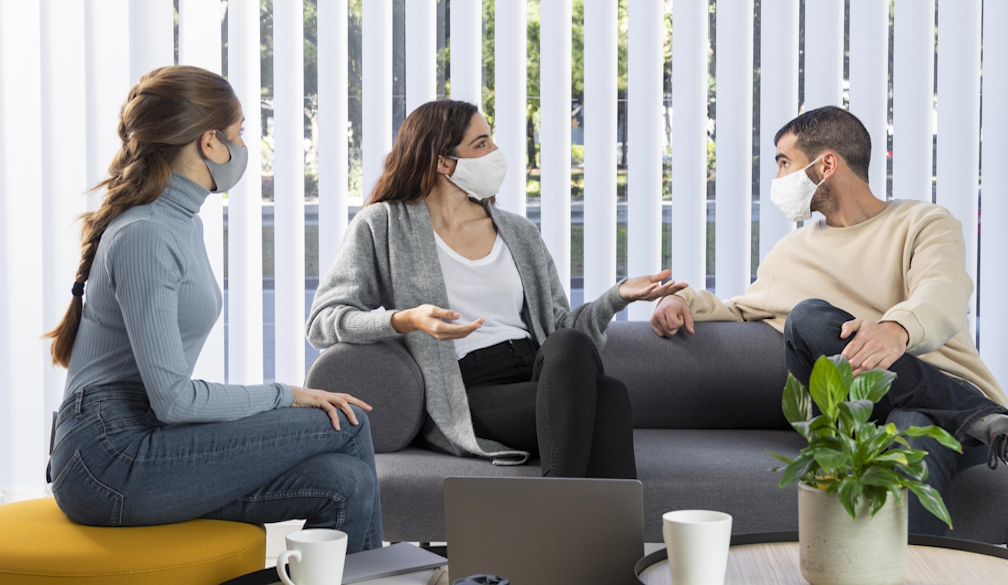
In today's hectic environment, the many obligations, due dates, and stresses individuals deal with on a daily basis sometimes take precedence over mental wellness. However, mental health check-ups are essential to keeping a healthy mind, just as regular physical examinations assist in maintaining a healthy body. Long-term problems may be avoided, and a balanced lifestyle can be encouraged by pausing to consider your emotional condition, stress levels, and general well-being. By incorporating these check-ins into your daily routine, you may become more self-aware and identify early indicators of discomfort before they become more serious.
Early Emotional Stress Detection
The capacity to identify early warning indicators is one of the main advantages of regular mental health check-ins. Many people ignore their emotional distress without considering the long-term consequences. Irritability, exhaustion, and trouble concentrating are examples of minor, often ignored symptoms that may be early warning signs of more serious issues. This is the point at which education becomes important. Participating in a programme such as a mental health crisis response course gives people the ability to see these subtle indicators in others as well as in themselves. Early diagnosis makes it far simpler to take remedial action and stop a little problem from turning into a major mental health concern.
How To Keep Stress From Getting Too Much
Although stress is a normal part of life, it may become harmful if it builds up unchecked. Frequent check-ins serve as a buffer, assisting people in recognising when stress is getting to be too much. Early tipping point identification enables prompt responses, such as taking a break, getting help, or rearranging priorities. Understanding stress management strategies and developing resilience are key components of many organised programmes, such as the Mental Health Course 13379NAT. By using these resources, people may develop more constructive coping mechanisms that prevent stress from turning into burnout.
Improving Interaction And Reducing Shame
One of the best strategies to eliminate stigma is to have a conversation about mental health. Including check-ins in your daily practice promotes honest communication with both yourself and other people. Normalising discussions about emotional health fosters safer spaces where understanding and support are more prevalent. In whatever context—workplace, school, or family—open communication promotes trust and strengthens bonds. Mental health literacy is increasing as more people get organised training, which makes it simpler for people to express their emotions without worrying about being judged.
Promoting Long-Term Health
Check-ins for mental health foster the development of enduring habits that promote emotional stability. They promote self-compassion, mindfulness, and an active attitude to wellness. People who routinely evaluate their mental health improve their ability to control their emotions before they become too much to handle, rather than responding to crises after they happen. Overall, life satisfaction is improved by this change from reactive to proactive treatment. These activities become much more successful when combined with official learning opportunities, such as accredited mental health courses, which provide deeper insights into mental well-being and strategies to encourage personal development.
Establishing A Basic Mental Health Monitoring Routine
Mental health check-ins don't need a complex structure. Even something as basic as setting aside five minutes every morning or evening might have a significant impact. Building awareness may be achieved by journaling, meditation, or simply a brief self-evaluation of your mood. Consistency is crucial. By identifying trends throughout time, these check-ins help you stay emotionally balanced and deal with issues early. For those seeking to broaden their knowledge, mental health credentials provide useful frameworks that enhance individual self-care practices.