Why Plastic Pails Are the Perfect Solution for Safe Storage & Transportation
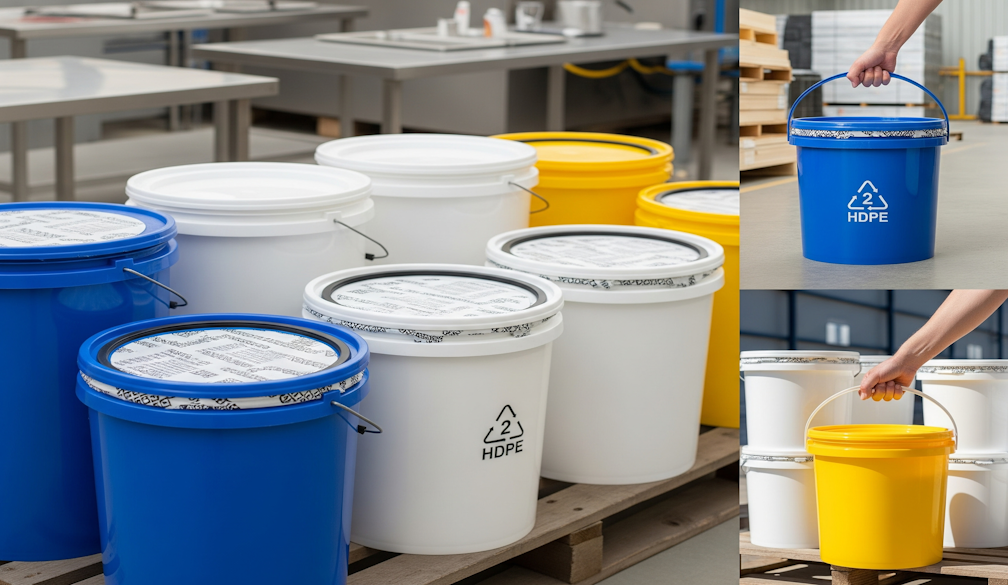
Whether it’s food ingredients, coatings or cleaning agents, safe storage and transport hinge on packaging that’s durable and easy to handle. From materials engineered to handle knocks through to lids that help keep contents secure, pails offer a practical balance of strength, convenience and value. They also adapt well to varied environments, from hot sheds to busy loading docks. For teams looking to streamline operations without compromising safety, the benefits stack up quickly. This article will outline why plastic pails continue to be a smart choice for Australian businesses that need reliability day after day.
Safety Features That Protect Contents in Storage
The best safety strategy starts with the right container, and plastic pails are designed with security in mind. High quality resins such as HDPE deliver impact resistance that helps protect contents if a pail is nudged or dropped from a modest height. Many lids include a gasket that forms a tight seal, which can reduce the risk of leaks or odours. Tamper-evident options make it clear if a lid has been opened, giving peace of mind for higher risk products or food handling environments. The pail’s shape works in its favour too. Vertical walls and a reinforced rim support stable stacking on pallets or shelving. UV-stabilised options are also available for outdoor use, helping the pail resist sun exposure common in the Australian climate.
Built for Transport
Transport puts packaging to the test. With plastic pails, the combination of impact resistance and sealing performance helps contents arrive as intended. Snap-on lids with locking features stay in place during movement, while gasketed variants offer another level of protection against splashes or dust. Ergonomic handles allow steady carrying through doorways or across workshop floors. The cylindrical profile stacks neatly on pallets, making the most of available space and supporting faster loading. For regulated goods, choosing a pail with the appropriate rating can simplify compliance tasks.
Sustainability and Cost Efficiency
Sustainability goals are easier to hit when packaging can be reused then recycled at end of life. Many plastic pails are made from resins that can be recycled through established streams in Australia, often marked with the HDPE “2” symbol. Their durability supports repeated use for compatible contents, extending the useful life of each unit. The weight advantage compared to steel can also translate into lower transport emissions. Over time, those gains can add up, both environmentally and financially.
Choosing the Right Pail for the Job
Selecting the ideal pail starts with capacity. Options range from smaller containers for sampling through to larger sizes that suit production or site work. The product’s characteristics will guide the lid choice. Liquids often benefit from gasketed lids that enhance leak resistance, while dry goods may be fine with a standard closure. For sensitive contents, tamper-evident features can help maintain confidence. If goods are heading into export channels or moving with strict handling rules, check for the relevant compliance markings. By matching these factors to the task at hand, businesses can get the best value from plastic pails while maintaining safety and efficiency.
Conclusion
Safe storage and reliable transport depend on packaging that works as hard as the people using it. With impact-resistant materials, secure lids and easy handling, plastic pails offer a practical blend of protection and convenience.