Nature-Inspired Living: Bringing the Outside Into Your Everyday Spaces
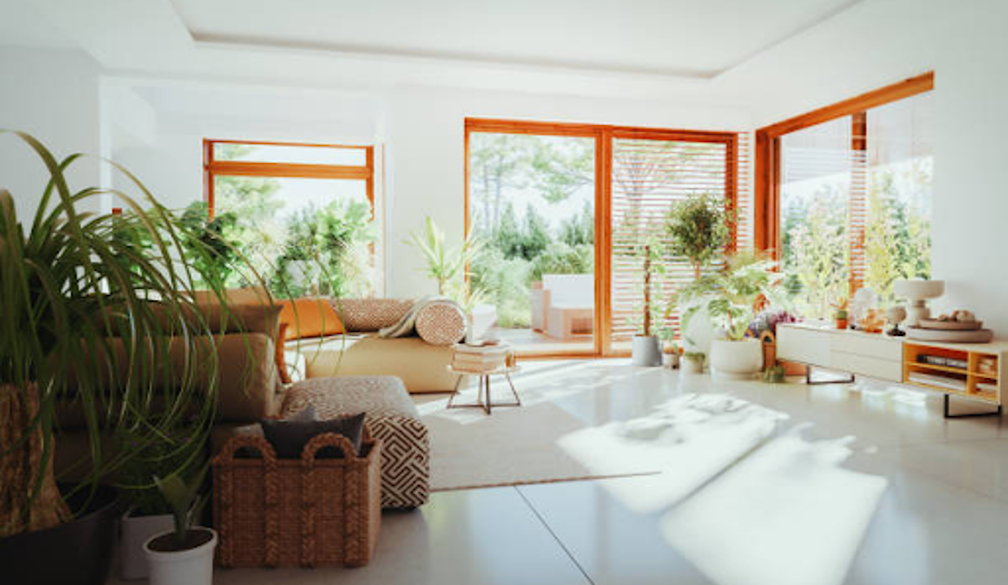
Ever notice how a walk in the woods clears your mind, or how sunlight streaming through a window instantly lifts your mood? Nature doesn't just belong outside—it belongs in the way we live, rest, and recharge every day. Our modern lives often disconnect us from the natural world, trapping us in sterile, artificial environments that drain our energy and creativity. For those with space and DIY skills, creating a connection to nature can be as simple as buying a sunroom kit, and transforming a corner of your home into a vibrant, light-filled sanctuary that breathes life into your living space. You don’t need a forest outside your window—just a few thoughtful touches to invite nature in.
Why Nature-Inspired Living Matters
Nature-inspired living is rooted in biophilic design, a concept that recognises our innate need to connect with the natural world.
Integrating natural elements indoors has many benefits, including reducing stress, enhancing mood, improving sleep, and even sharpening focus. Simple things like natural textures, plant life, and sunlight exposure can significantly boost mental and physical well-being. Fresh air and green spaces aren’t just luxuries—they’re necessities for healthy living.
This approach also nudges us toward intentional and sustainable choices, such as choosing long-lasting materials. It encourages us to slow down, pay attention, and create homes that support—not compete with—our natural rhythms.
Whether you live in a city apartment or a suburban home, bringing the outside in helps create a deeper sense of connection to the world around you.
Practical Ways to Bring Nature Indoors
Add Indoor Plants
Plants instantly lift the feel of a room—visually and emotionally. They clean the air, add life to quiet corners, and offer a simple connection to nature. If you’re just getting started, choose low-maintenance varieties like the peace lily, snake plant, or pothos. Place one by your bedside or on a bookshelf and notice the difference. Grouping plants together also creates a lush, mini indoor garden effect without needing much space or effort.
Let in Natural Light
Natural light improves your mood and helps regulate your body’s rhythms. Begin by swapping heavy curtains for sheer ones, and keep windows clean to maximise daylight. Mirrors placed opposite windows can help bounce light into darker areas—position chairs or desks where the sun naturally hits during the day. Even a small shift like moving your reading nook into the sun’s path can brighten both your space and your mindset.
Use Natural Materials
Surrounding yourself with natural materials helps your home feel more grounded and inviting. Choose wood, stone, bamboo, or rattan for furniture, flooring, or décor accents. Linen or cotton throws and cushions add softness and tactile comfort. These textures don’t just look beautiful—they feel good to touch and live with. Prioritise handmade or reclaimed items when possible, and let the imperfections in natural materials bring warmth and authenticity to your space.
Pick Earthy Colours
Earthy tones create a calming atmosphere that mirrors the natural world. Greens, terracottas, warm browns, soft blues, and sandy neutrals all help create a restful environment. Use these colours on walls, textiles, or accessories to reflect the outdoors. Colour psychology supports their use too—greens soothe, browns ground, and soft blues promote calm. Even small touches, like a clay pot or an olive-toned throw, can shift the entire mood of a room.
Nature-Inspired Art & Décor
Decorate with pieces that reflect your connection to the outdoors. Think landscape prints, pressed botanical art, or handmade ceramics. Shells, driftwood, or stones collected from walks can become meaningful, personal décor. Not everything needs to be bought—use what you find and love. Choose textures and shapes found in nature, like wavy lines or leafy patterns, to support the theme. Art doesn't have to be loud to be powerful—it just needs to feel right in your space.
Create Nature-Centred Ritual Spaces
Designate small areas of your home as nature-connected zones. A windowsill with a few herbs can become your morning tea corner. A comfy chair by a plant-filled window becomes a space to pause and breathe. These spots don’t need to be big or elaborate—what matters is that they invite quiet and care. Layer with natural light, greenery, and textures to build a little oasis where you can check in with yourself and the world around you.
Incorporate Natural Sounds and Scents
Scent and sound shape how we experience a room. Use essential oils like eucalyptus, pine, or citrus to evoke the outdoors. Small diffusers or soy-based candles work well. Add soft nature sounds—water trickling, rustling leaves, or birdsong—through speakers or a gentle water feature. Wind chimes near a window can offer soothing tones when the breeze rolls in. These subtle sensory elements help create an environment that feels peaceful, rooted, and naturally alive.
Open Up to the Outdoors
Let the boundary between indoors and out become more fluid. Open windows whenever you can to let in fresh air and natural sounds. Sliding doors, verandahs, or covered patios extend your living space into nature. Even small balconies can become green retreats with a few potted plants and a seat. Think of your outdoor space—no matter how modest—as an extension of your home that deserves care, beauty, and your regular presence.
Getting Started: Small Steps, Big Shifts
You don’t need to overhaul your home overnight. You can begin by observing how natural light moves through your rooms or notice how certain colours make you feel. Bring in one plant, switch a synthetic throw for linen, or spend time with the windows open. Each small change adds a layer of connection and calm.
Let your senses guide you: what feels good to touch, look at, smell, and hear? As your home evolves, you’ll likely notice your habits shifting too. You might sit still more often, breathe more deeply, or just feel a little less rushed.
When we bring the outside in, we create homes that support more than just daily routines—they support our well-being. Each plant, texture, and patch of sunlight is an invitation to slow down and feel more connected. You don’t need a big budget or design degree—just an appreciation for nature and a willingness to begin. Start where you are. Don't aim for perfection—aim for connection.