


Understanding and Preventing Salt Damp in Heritage Homes in Australia
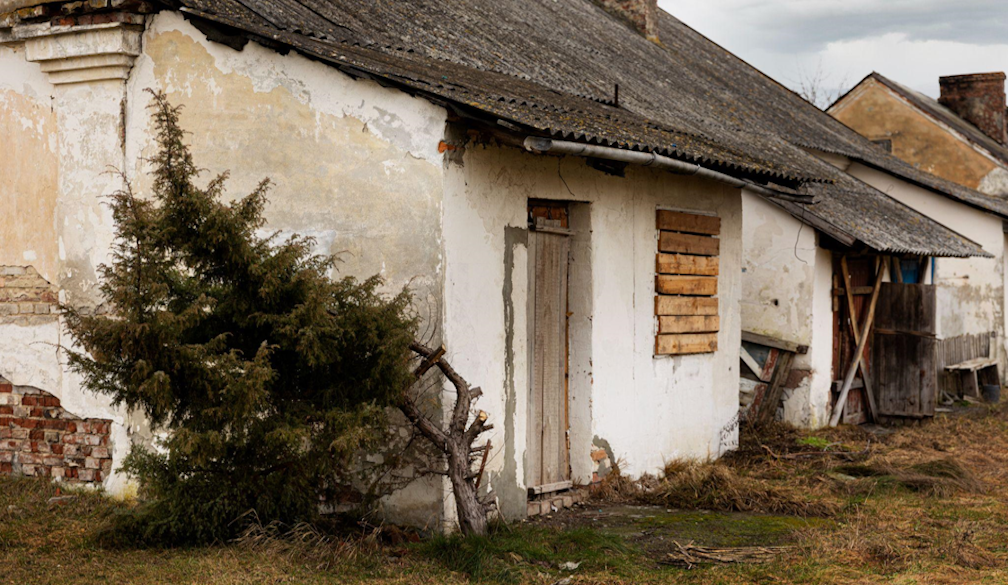
The heritage homes in Australia epitomise an enduring reminder of artistry and tradition. However, they are often at risk of the persistent challenges of external stressors like salt damp. This silent issue undermines the plaster, brickwork, and timber, eventually leading to expensive repairs if left unattended. Property owners who can comprehend the leading causes can act promptly to preserve the historic charm and structural safety.
The early recognition alongside professional intervention can safeguard a property facing the risk of salt damp. Professional salt damp treatment is one of the best approaches a property owner can take to preserve the overall structural integrity.
Protecting Heritage Homes with Salt Damp Solutions
Whenever salt damp starts appearing on heritage buildings, it disrupts the aesthetics and the property's stability. Knowing what is salt damp, identifying the early triggers, and implementing lasting solutions ensures that your property stands prepared to the test of time. In the following sections, we will look deeper into the reasons for salt damp occurrences, why the historic buildings are prone to this risk, and the preventive measures that offer better outcomes.
What is Salt Damp and How Does it Start
Salt damp typically surfaces as groundwater travels upward through the walls like capillaries, acting as a carrier of dissolved salts. Once moisture evaporates at the surface, salt crystals are left behind within the wall, damaging the plaster and weakening the bricks. This leads to visible cracks and structural issues.
The weather and the construction history of Australia add to this risk. Numerous ancient buildings were built without the modern application of damp-proofing solutions. This exposes them to the vulnerabilities of nature, causing significant damage. Critical maintenance, along with salt damp solutions, can bring the issue under control before any irreversible harm is done.
Considering the Cost to Fix Salt Damp
The cost to fix salt damp relies on the extent of the issue. Minor instances may involve targeted repairs, while the extensive damage needs restoration that involves wall treatments and structural repairs. Heritage South Australia has highlighted that their Heritage Conservation Grants support the salt damp treatment under the "simple" grant category of about AUD5,000 for each project.
Property owners can save money in the long run by investing in salt damp solutions today. The premium repairs prevent recurring damage, safeguard the integrity of the building, and improve the overall value of the property. These repairs help to preserve cultural and architectural differences, especially for heritage homes.
Identifying the Telltale Signs
Salt damp occurs over time. Generally, it starts with minor indications such as salt deposits on surfaces, flaking paint, or damp patches near the wall base. These minor signs worsen over time unless prompt action is taken to prevent them.
Typically, the issue surfaces from blistered plaster, crumbling mortar, or rotting timber near the floor level. Homeowners noticing these triggers sooner should contact the professionals immediately. Taking prompt action and applying salt damp solutions helps preserve the aesthetic value of heritage homes.
Rising Damp Treatment for Long-Term Security
The rising moisture level in the ground is the primary factor behind salt damp. The increasing salt damp treatment involves applying potential shields through chemical injections or physical damp-proof courses. Such approaches prevent the future movement of moisture. According to a recent study conducted by Bathurst Regional Council, the "old cottage" conservation works effectively manage rising damp and salt attack through improved ventilation and drainage.
When the application is done professionally, Rising Damp Solutions integrates with the professional salt damp solutions. The heritage properties benefit from treatments that maintain both structural health and authenticity.
Why Heritage Homes Carry Greater Risk
Historical or heritage homes typically feature lime mortar, traditional brick, or porous sandstone, which absorbs water. The materials are responsible for making moisture travel through the walls effortlessly, leaving them at a greater risk of damage.
Since the heritage buildings lack damp-proofing solutions, this poses a higher risk of salt damp. If water levels rise unchecked, salts start accumulating rapidly. Property owners seeking to safeguard their homes should implement professional salt damp solutions created to preserve the original structure, offering strong protection against external triggers.
Professional Salt Damp Treatment Methods
An extensive property inspection done by the specialists marks the initial step of the professional salt damp treatment. The experts will scale the moisture levels, test the salt types, and determine the extent of damage that penetrated the walls.
Treatment includes the chemical barriers blocking the rising moisture levels, damaged plaster replacement, and repairs to affected masonry. The enduring salt-damp solutions depend on professional application to ensure heritage homes retain their strength and original aesthetics.
Building Inspections for Reliable Detection
Routine building inspections help safeguard your property against hidden dangers. In areas like the Gold Coast, where coastal conditions can worsen moisture issues, professionals check for salt stains, timber decay, or weakened plaster. They will provide detailed reports on your property’s condition.
These inspections help property owners strategise for timely interventions. The professional salt damp solutions ensure that the minor repairs are manageable, preventing the higher costs for restoration in the future.
Preventing Salt Damp Through Proactive Care
Preventing salt damp includes initiatives that begin with regular maintenance. Proper gutters, good ventilation, and a drainage system will eliminate the occurrence of water on walls. The landlords can also undertake landscaping, which serves to divert water away from the foundations.
Such efforts, combined with professional salt damp solutions, provide a sterling defence measure. Thus, heritage houses may remain strong, maintaining their beauty and historical worth without progressing through the chain of constant repairs.
Conclusion
Heritage homes in Australia possess a timeless worth, but their maintenance relies on being alert to salt damp. With the intervention of specialists, it is possible to determine the core reasons, the initial triggers, and the prevention measures, which can protect the heritage and framework. The maintenance initiatives can enhance the defence mechanism and maintain the pristine condition of the property. A property can be safe, solid, and appreciated over generations with the correct mix of attentiveness and trusted salt damp remedies.










