Why a Holiday or Short Break in the Noosa Region Is an Ideal Getaway
- Written by: Times Traveller
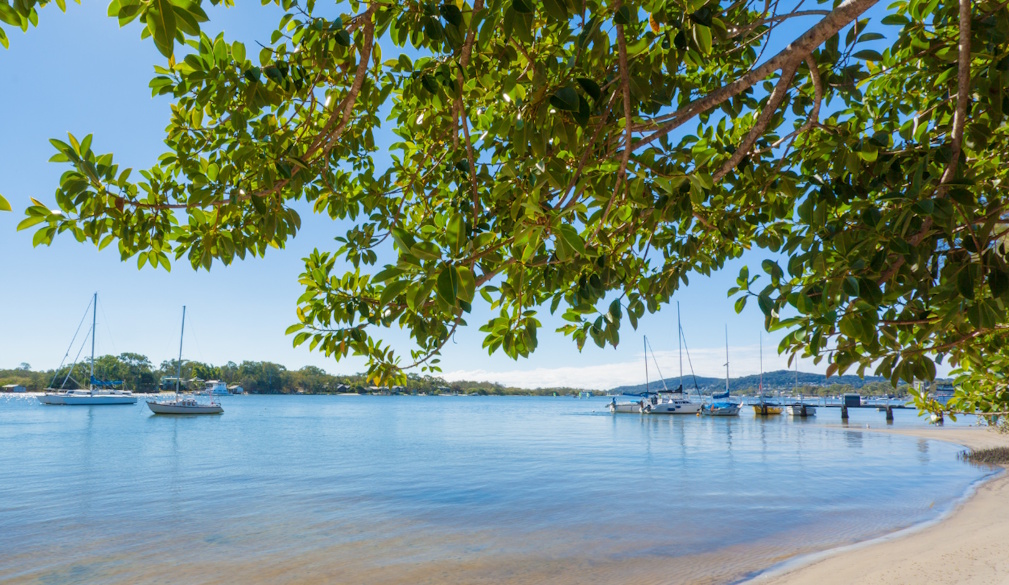
Few Australian destinations capture the imagination quite like Noosa. With its calm turquoise bays, elegant dining scene, thriving local markets, and an unbeatable combination of nature and luxury, the Noosa region has become one of the country’s most desirable holiday escapes. Whether you have a weekend to recharge or a full week to unwind, Noosa offers something that feels rare in modern travel: a genuine sense of ease, wrapped in beauty.
Here’s why a short break in the Noosa region might be the perfect getaway you didn’t know you needed.
1. The Beaches: Calm, Warm and Perfectly Swimmable
Noosa Main Beach is one of the only north-facing beaches in Australia, meaning it’s protected from prevailing winds and swell. The result?
A gentle, family-friendly shoreline ideal for swimming, stand-up paddleboarding and lazy afternoons in the sun.
But venture beyond Main Beach and you’ll find:
-
Little Cove – A tucked-away gem framed by rainforest, known for its clear water and serene ambience.
-
Tea Tree Bay & Granite Bay – Surfer favourites with postcard-perfect rock formations.
-
Sunshine Beach – A more rugged, expansive stretch ideal for long walks and dramatic sunrise moments.
Noosa’s beaches aren’t just beautiful—they’re varied, offering a coastline that suits any mood or energy level.
2. Noosa National Park: Coastal Walks That Feel Like a Dream
The Noosa National Park is one of Queensland’s true natural treasures. The coastal walk from Noosa Heads to Hell’s Gates is easily among Australia’s top day walks, combining:
-
sweeping ocean views
-
lush eucalyptus and pandanus forest
-
sheltered bays for quick swims
-
frequent wildlife sightings (koalas included!)
The accessibility is part of the magic—within minutes of leaving Hastings Street, you’re immersed in nature that feels vibrant and untouched.
For short-break travellers, this blend of light adventure and gentle walking is rejuvenating without being exhausting.
3. Hastings Street: A Stylish Strip That Never Feels Chaotic
Hastings Street is a rare thing: a bustling, fashionable beachfront precinct that still feels relaxed.
You’ll find:
-
award-winning restaurants
-
boutique shopping
-
sunset bars
-
gelato shops
-
elegant resort lobbies
-
chic but laid-back coffee spots
It’s perfect for those who enjoy a holiday with a touch of glamour—where sandy feet and linen shirts blend naturally with curated menus and immaculate cocktails.
Few coastal towns strike this balance as effortlessly as Noosa.
4. Noosa River: Gentle, Peaceful and Perfect for Slow Travel
For travellers who prefer a calmer experience away from the beach crowds, the Noosa River offers an entirely different pace.
Think:
-
hiring an electric boat and drifting at sunset
-
riverside dining in Noosaville
-
paddleboarding past pelicans and tiny sandy islets
-
cycling the wide foreshore pathways
It’s quieter, more spacious, and perfect for families, couples, and anyone who loves a riverfront stroll at golden hour.
5. World-Class Dining: From Beachfront Breakfasts to Iconic Long Lunches
Noosa’s culinary scene is one of the strongest on the East Coast. The mix of casual sophistication and Queensland freshness makes eating out a serious highlight.
Local favourites include:
-
Locale – Modern Italian with lush interiors.
-
Bistro C – Beachfront dining that defines the Noosa experience.
-
Noosa Waterfront – Elegant long lunches by the river.
-
Sum Yung Guys (nearby in Sunshine Beach) – A standout for modern Asian flavours.
-
Rickys River Bar & Restaurant – A Noosa institution for a reason.
There’s also the Noosa Farmers Market on Sundays—one of Australia’s best—for organic produce, artisanal goods, and gourmet street eats.
6. The Region's Hidden Gems: Eumundi, Pomona, the Hinterland & More
A short Noosa getaway doesn’t need to be limited to the coast.
Within 20–30 minutes you can explore:
Eumundi
A charming village with the famous Eumundi Markets, craft breweries, and a creative arts community.
The Hinterland
Rolling hills, waterfalls, scenic lookouts and boutique stays in towns like:
-
Cooroy
-
Doonan
-
Kin Kin
-
Pomona (home of Mt Cooroora, the iconic “King of the Mountain”)
Lake Cootharaba & Boreen Point
Peace, picnics, kayaking and a glimpse into old-school Queensland holiday culture.
These nearby experiences give a short break incredible diversity.
7. Accommodation for Every Traveller: Luxe, Family-Friendly or Boutique
Noosa’s accommodation scene caters to every style of escape.
For luxury seekers
-
Sofitel Noosa Pacific Resort
-
Peppers Noosa
-
Tingirana
-
Seahaven
For families
-
RACV Noosa Resort
-
Noosa Blue
-
Noosaville riverfront apartments
For boutique lovers
-
HOLA Eumundi
-
10 Hastings Street
-
Little Cove beachfront apartments
Whether you want a private balcony overlooking the ocean or a peaceful room among the trees, Noosa has options that elevate the experience.
8. The Intangible Magic: A Destination That Makes You Slow Down
More than any individual attraction, what makes Noosa special is its atmosphere.
It’s the light, the water, the greenery, the effortless blending of nature and style. It’s the feeling of wandering along Hastings Street in the evening breeze, hearing the soft roll of waves, and knowing you can wake up tomorrow and do everything—or nothing at all.
Noosa offers something few destinations manage consistently: a sense of effortless holiday calm.
Final Thoughts: The Perfect Short Break
Whether you’re escaping Brisbane for a weekend, flying in from interstate, or adding a luxury stop to a broader Sunshine Coast adventure, the Noosa region delivers an escape that feels both indulgent and restorative.
Natural beauty, coastal sophistication, gentle adventure and a warm Queensland atmosphere—Noosa is, quite simply, an ideal getaway.