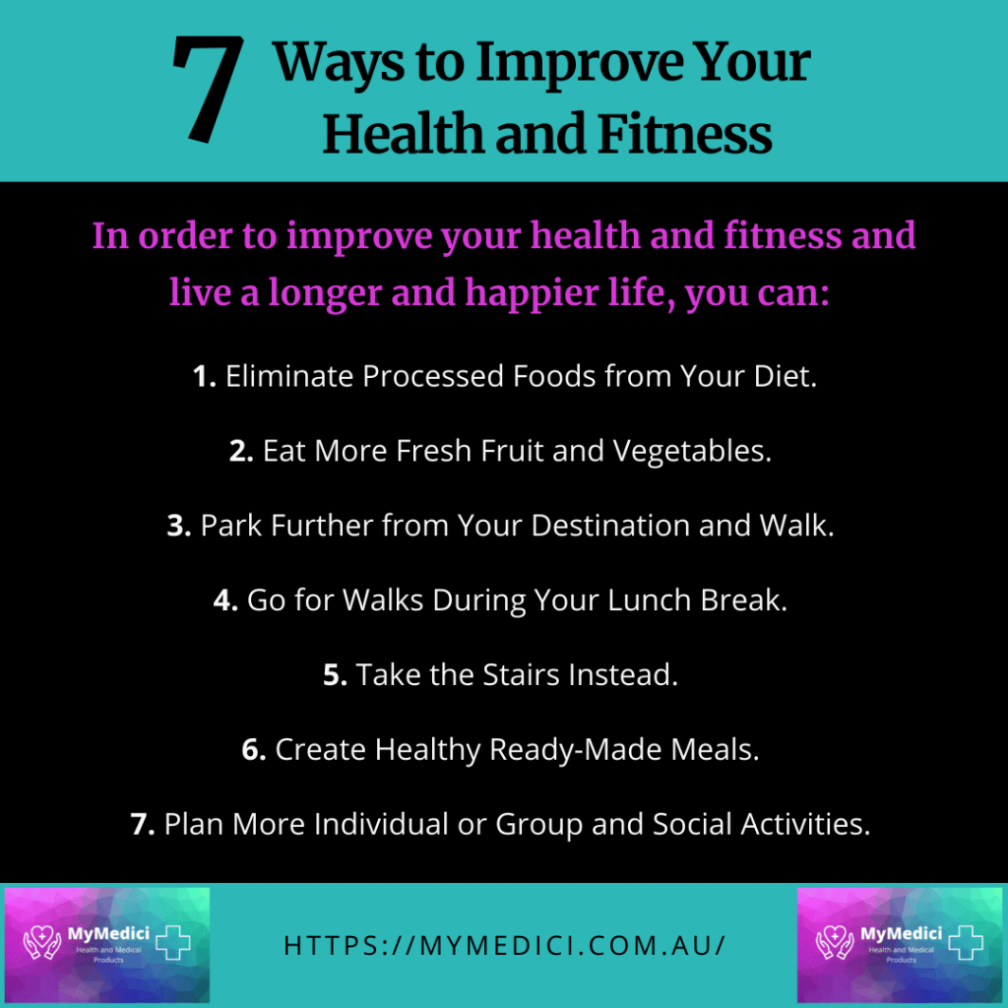
7 Easy Health and Fitness Tips
- Written by: NewsServices.com
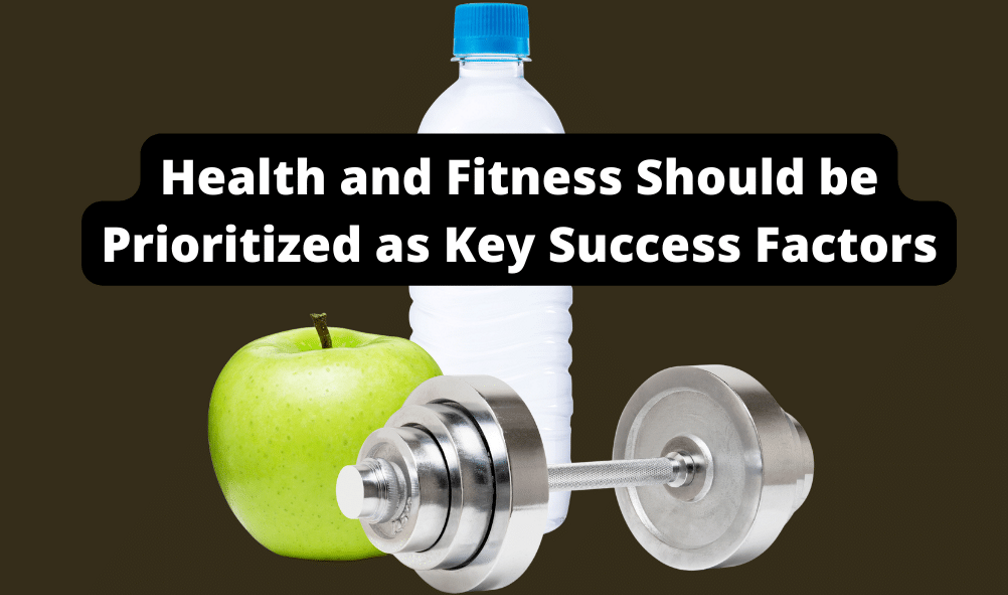
If you have fitness and health goals it can seem overwhelming at first to try to reach them, particularly if you have a few extra pounds to lose and do not like to exercise very much. What can you do to get healthier without having to go to the gym for hours and eat endless amounts of spinach? Here we discuss seven easy health and fitness tips that can help you on your journey to better health.
-
Find an Activity you Enjoy
Exercise and fitness do not have to be something that you dread. Find a friend who loves to go for walks and go out together, take the dogs with you too. If you like to play tennis, get some friends together regularly for a match a few times per week. After dinner is a great time to get active, it helps you with digestion and to get your heart pumping.
-
Have a Workout in Front of the TV
An exercise bike or a treadmill can be set up in front of the TV area which can distract you from how much exercise you are doing. Find a show that you really enjoy watching and get on the machine until the show is over. You may find that you just walked or rode for an hour or more. When you are not concentrating on the activity, you can get it done without even noticing.
-
Never Shop When you are Hungry
Shopping for groceries will not only be expensive but you will also buy a lot of impulse snack items when you are hungry. If you have a meal before shopping it can curb your appetite enough to allow you to skip those snack items that add extra calories and not much nutritional value. Make a list of items you need and stay with it, do not deviate from that list, even if you think a couple of treats is “ok”.
-
Do Weekly Meal Preparation
You can get the whole family involved here after you get home with the groceries. Have several meals in mind and cook up large portions of them. You can divide these up into portion sizes and freeze them or you can have a dinner prepared for each night of the week. Remember to include breakfasts and lunches in your meal planning too. If members of your family have likes and dislikes remember to accommodate them and create meals that they will enjoy too.
-
Move More
If you have a job where you are sitting at a desk all day, set a timer for every 30 minutes or so to get up and walk around. The longer you sit, the more you are damaging your body with muscles getting tighter, increase blood pressure, higher blood sugar and excess fat accumulation. At lunch time, get out for a nice walk after you finish your lunch and park your car farther away from work so that you must walk a few blocks to get to and from your workplace.
-
Get More Sleep
If you have difficulty getting to sleep at night, try doing some meditation. Shut off all screens including computers and the TV at least 30 minutes prior to bedtime. You want to relax your brain. A hot bath with lavender and Epsom salts can also help you to relax. Read a few chapters from a book while lying in bed and then turn out the light. Clear your mind of any swirling thoughts and allow yourself to drift off to sleep. If you cannot relax enough to drift off, try doing some more meditation to relax your mind.
-
Use a Fitness Tracker
Compete with friends and family on step counts and getting the most activities, with the added motivation of incorporating a portable wrist or ankle fitness tracker into your routine. If you are doing a competition with family the prize could be choosing a movie for the family or deciding on a place to get out for a nice hike. As a family, you can get out and do more together when you are driven to incorporate fitness into your lives. If you have a couple of competitive family members, that can really be a driving factor to get everyone more active.
These are just a few tips that can help you to get healthier and feel more fit. The main goal is to move more and sit less. None of these changes are going to happen overnight, but every day you can move closer to them and become healthier as you do. Consistency and motivation will get you closer to your goals over time.
Images courtesy https://mymedici.com.au/