Here's How to Pick the Best Hair Loss Treatment for Your Needs
- Written by: The Times
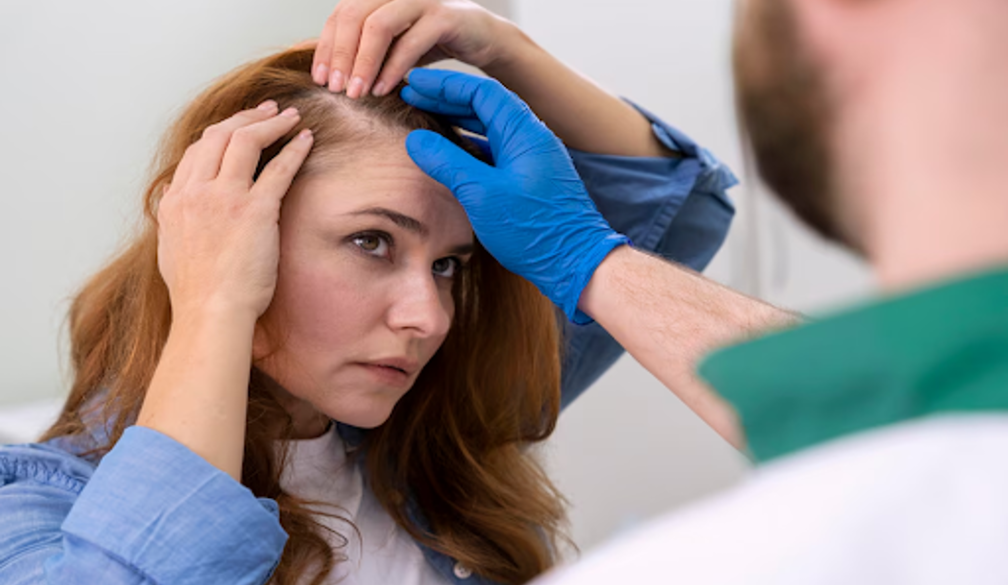
Hair loss can be frustrating, probably an emotional experience, and only with appropriate types of treatments is one able to restore one's confidence level, showing results that are noteworthy. With various options available, the apt solution needs to be made with due care. The cause for the hair fall, effectiveness of treatment, and long-term maintenance are the three important influencers on one's decision. The following tips will help you navigate the choices and select the best treatment for your needs:
Understanding Your Hair Loss Type
Before selecting a treatment, it is crucial to identify the underlying cause. Hair loss can result from genetic predisposition, hormonal imbalances, nutritional deficiencies, or medical conditions. The most frequent is androgenetic alopecia, generally known as male/female pattern baldness, but that usually requires specific treatment. Temporary shedding can be due to stress, sickness, which in most cases will improve once the body regulates itself and healthy lifestyle patterns resume. The dermatologist or trichologist will direct you to what's causing this through proper observation of your signs, thus leading to the right course of treatment for your disorder. It can save you from undergoing unnecessary treatments and help you orient yourself towards solutions that work just for you.
Evaluating Treatment Options
The various treatment options available for hair loss range from topical solutions and medicines to advanced surgical procedures. Minoxidil is a topical formulation applied widely to stimulate hair regrowth, whereas finasteride is an oral medication that has been used to prevent further hair thinning. Low-level laser therapy has become popular of late in stimulating hair follicles. For those seeking long-term solutions, hair transplantation is permanent. Knowing the pros and limitations of each option will help you make an informed decision based on the severity of your hair loss, budget, and personal preferences. Combination treatments can also be explored for better results, as some therapies work synergistically to improve hair density and strength.
Choosing a Reputable Clinic and Established Methods
Selecting a trusted provider is essential when opting for a clinical or surgical procedure. A professional hair transplant in Australia, for example, should be performed by qualified surgeons using cutting-edge techniques such as follicular unit extraction (FUE) or follicular unit transplantation (FUT). Understand the specialist's credentials, reviews from patients who have undergone your intended surgery, and before-and-after photos if available, providing insight into reputation. Scientifically-based traditional methods ensure that the treatment will be safe and effective, while minimizing complications and unsatisfactory results. Another advantage is the consultation before undergoing the procedure, which also gives you the opportunity to have an idea of the expertise level of the service provider and allows you to understand and clear apprehensions about a particular procedure.
Considering Lifestyle and Maintenance
Not all treatments demand the same length of commitment and long-term maintenance, which has to be thought over. Medications such as finasteride require continuous intake to sustain the effect, while topical treatments need to be applied daily. Hair transplantation is permanent, yet it also requires good scalp care and occasional follow-ups. Furthermore, a healthy diet, stress management, and gentle hair care products will also help augment any treatment. By choosing a treatment that fits your lifestyle, you will be able to maintain the results without too much hassle. Choosing a solution that integrates seamlessly into your routine increases the likelihood of adherence and long-term success.
Understanding Potential Side Effects and Risks
Before committing to a hair loss treatment, it is essential to understand the potential side effects and risks involved. Medications such as finasteride may cause hormonal imbalances, leading to unwanted effects like reduced libido or mood changes. Surgical treatments are quite effective but run the risk of infection, scars, and unnatural looks if performed by less skilled surgeons. Even non-invasive treatments, including laser therapy and topical solutions, have some kind of irritative effects or allergic reactions in certain cases. The potential benefits weighted against the risks enable you to make a well-informed decision and choose a treatment that aligns with your comfort and health considerations.
It is important to consider your treatments carefully to make sure they are right for you and will work, as well as their long-term effects. You can confidently invest in the best approach for restoring your hair and self-confidence by considering your personal needs, available solutions, and commitment level.