Measles in Australia: Why This Highly Contagious Virus Remains a Serious Health Threat
- Written by: The Times
Measles was once considered a childhood illness that had largely disappeared from Australia. Thanks to widespread vaccination, local transmission became rare for many years. However, imported cases and occasional outbreaks continue to remind health authorities that measles remains one of the world's most contagious infectious diseases.
For families, understanding what measles is, how it spreads and why vaccination remains important can help protect both individuals and the wider community.
What is measles?
Measles is caused by a virus, not bacteria. Because it is a viral infection, antibiotics cannot cure it.
The virus attacks the respiratory system before spreading throughout the body via the bloodstream. It can affect the skin, eyes, lungs and immune system, making people vulnerable to other infections while they recover.
How does it spread?
Measles spreads through tiny droplets released when an infected person coughs, sneezes or even breathes.
The virus is remarkably infectious. It can remain suspended in the air or on surfaces for up to two hours after an infected person has left an area. People who are not immune have a very high chance of becoming infected if they are exposed.
A person can spread measles before they realise they are sick, making outbreaks difficult to contain.
What are the symptoms?
Symptoms usually appear between one and two weeks after exposure.
Early signs include:
- High fever.
- Runny nose.
- Persistent cough.
- Red, watery eyes.
- Feeling generally unwell.
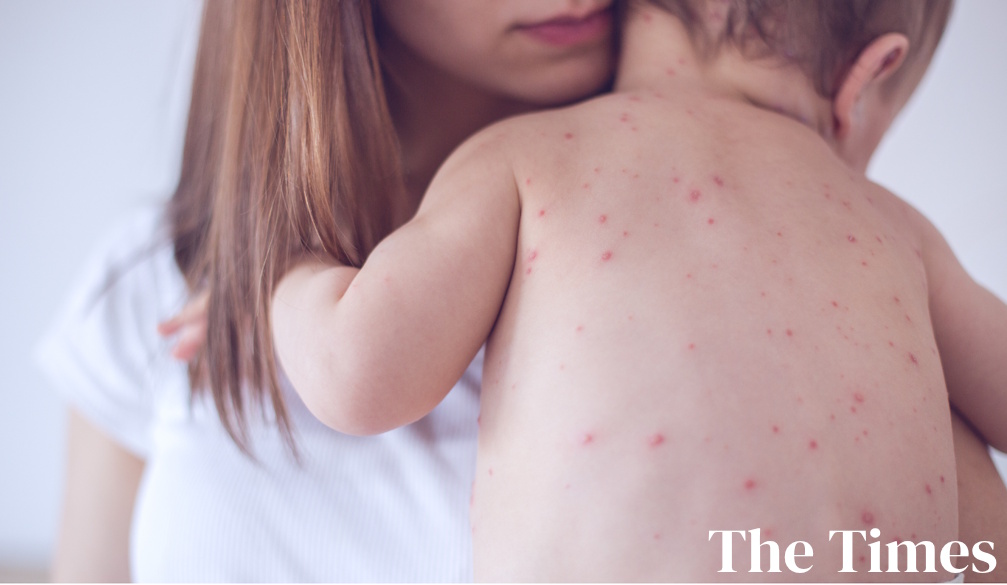
A few days later, the characteristic red rash develops, usually beginning on the face before spreading across the body.
While many people recover completely, measles is far more than just a rash.
Why can measles be dangerous?
The virus temporarily weakens the immune system, making it harder for the body to fight other infections.
Complications can include:
- Ear infections.
- Severe diarrhoea.
- Pneumonia.
- Brain inflammation (encephalitis).
- Permanent neurological damage in rare cases.
- Death, particularly in vulnerable individuals.
Young children, pregnant women and people with weakened immune systems face the greatest risk of serious illness.
Measles in babies and infants
Infants are among the most vulnerable because many are too young to have received their full course of vaccinations.
In babies, measles can rapidly lead to dehydration, breathing difficulties and pneumonia. Hospital treatment is sometimes required to manage complications and provide supportive care.
For this reason, protecting babies often depends on the immunity of the people around them, including parents, siblings and carers.
Can measles be prevented?
Vaccination remains the most effective protection.
Australia's childhood immunisation program includes the measles vaccine as part of the combined measles, mumps and rubella (MMR) vaccine.
High vaccination rates not only protect individuals but also help prevent outbreaks by reducing opportunities for the virus to spread through the community.
Good hygiene, staying home when unwell and following public health advice during outbreaks also help reduce transmission.
Is there a cure?
There is no specific antiviral cure for measles.
Treatment focuses on supporting the patient while the immune system clears the virus.
This may include:
- Plenty of fluids.
- Rest.
- Medication to reduce fever and discomfort.
- Medical treatment for complications such as pneumonia if they develop.
Most healthy people recover fully, although recovery can take several weeks.
A disease worth preventing
Australia has one of the world's strongest immunisation programs, and widespread vaccination has dramatically reduced measles compared with previous generations.
Even so, international travel means the virus can still arrive in Australia at any time. Maintaining high vaccination rates remains one of the most effective ways to protect babies, vulnerable people and the broader community.
Measles is far more than a childhood rash. It is a highly contagious viral disease that can cause serious illness, particularly in those least able to fight it. Continued vigilance and vaccination remain Australia's best defence against a virus that has not disappeared—it has simply become less common.