Research uncovering a plant based option for PMS & period pain
With as many as eight in 10 women experiencing period pain, and up to half reporting premenstrual syndrome (PMS) symptoms,1 new Aussie research is striving to change the game with a non-hormonal, plant-based option to support menstrual wellbeing.
A recent randomised, double-blind, placebo-controlled study published in the International Journal of Women’s Health found Australian women taking the TGA-listed medicine Khapregesic®, reported significant reductions in period discomfort compared with placebo. Participants further reported changes in emotional wellbeing, and a decreased reliance on the use of other pain relief options. The study suggests Khapregesic® may help support menstrual wellbeing as a fast-acting, dual-action, non-hormonal, plant-based alternative to traditional pain-relief medicines.
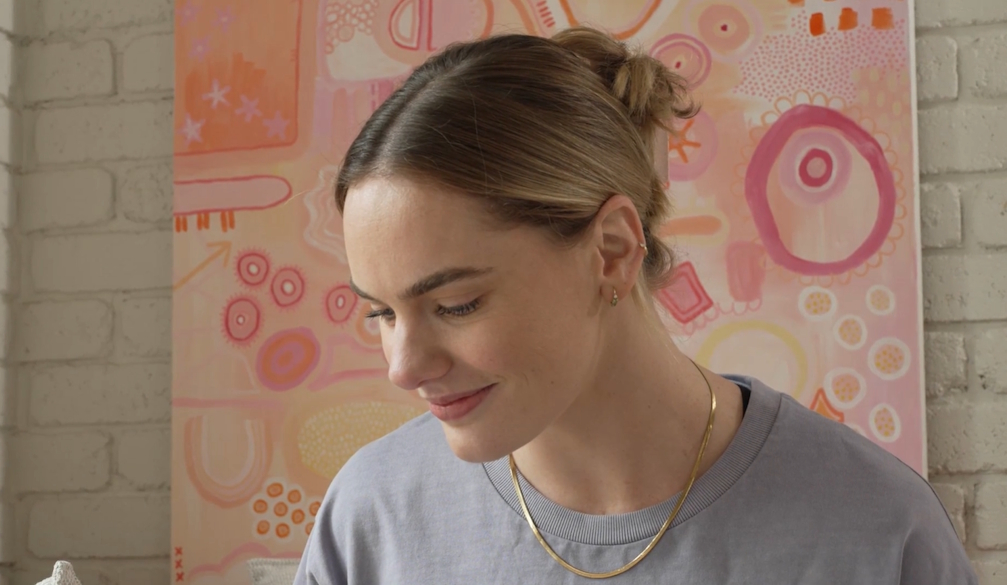
When off the court, professional Aussie netballer, Kiera Austin, Melbourne, champions open conversations about menstrual health, PMS and period pain.
“PMS and period pain can affect not just physical comfort, but concentration, energy, and overall performance. On the court, fatigue, lower focus, or mood changes can all make a difference,” said Ms Austin.
Like many women, Kiera experienced menstrual symptoms from her early teens, including cramps, irritability, and emotional fluctuations.
“PMS and period pain definitely impacts my quality of life. In sport, I’m always mindful of where I am in my cycle, and how it might affect my energy and performance.”
Ms Austin encourages women and girls to speak openly, and explore supportive options.
“It’s important to break the silence so women feel empowered to ask for help, access support, and consider evidence-based, well-tolerated approaches.
“Research like this reassures us that non-hormonal, plant-based options are being rigorously studied, helping women – athletes and non-athletes alike – make informed choices,” Ms Austin said.
“The Khapregesic® study results are encouraging. Your period should never stop you from doing what you love, and having supportive, well-tolerated, non-hormonal options gives women confidence to keep living their lives.”
Sydney Gynaecologist, Founder and Director of Women’s Health Road, Dr Talat Uppal, Sydney, says menstrual health should be recognised as a significant public health issue deserving of much greater attention and research.
“Two billion women menstruate every month,1 and more than 85 per cent experience period pain.1
“Although menstrual pain and PMS are quite common, they’re often dismissed as something women just have to put up with,3” said Dr Uppal.
“Many women assume their symptoms are ‘normal’ and don’t discuss them with a healthcare professional, which can adversely affect their quality of life, work, and mental health,” said Dr Uppal.
“We need to build menstrual literacy and encourage open discussions about period pain and PMS,” Dr Uppal said.
“Research exploring non-hormonal, plant-based approaches helps broaden our understanding of menstrual wellbeing. Ongoing studies examining the tolerability and potential benefits of these options are essential to guide evidence-informed discussions between women, teenage girls, and their clinicians.
“This new Australian study is expanding our understanding of menstrual health by demonstrating that plant-based medicines can be evaluated through scientific research, helping to support more informed decision-making,” said Dr Uppal.
Leading community pharmacist and pharmacy owner specialising in women’s health, Ms Caroline Diamantis, Sydney highlights the relevance of this research for women in the community.
“Women and teenage girls are increasingly seeking non-hormonal options for managing period pain and PMS. Studies like this help pharmacists and other healthcare professionals discuss plant based medicines that have been investigated in clinical studies.
“This new Australian study shows participants taking Khapregesic® reported changes in how they managed pain and aspects of emotional wellbeing,2 Ms Diamantis said.
“Having clinical research data allows us to provide tailored advice for women and girls exploring alternatives to conventional pain relief.
“Menstrual health remains a largely under-researched area, so supporting awareness and education in the community is vital,” said Ms Diamantis.
“These study findings are a positive step forward, showing that evidence-based, over-the-counter options are available in pharmacy to support women’s menstrual health.”
Co-Founder of biotechnology company Bioactive Natural Health, Rick Ferdinands, Perth, reflected on the science-backed innovation behind Khapregesic®.
“The development of Khapregesic® began over a decade ago, inspired by women in my family who were experiencing painful, disruptive periods.
“We set out to rethink pain relief by taking a traditional, medicine plant and applying advanced technology to create an evidence-based, non-hormonal option for menstrual support,” Mr Ferdinands said.
“The little known Khaya senegalensis – tree has a long history of traditional use in West African herbal medicine. We aimed to build on that knowledge using new technology and scientific study, examining its properties and ensuring sustainable sourcing.
“Working with researchers from several Australian universities, we developed a patented harvesting and processing technology that preserved the active components and allowed the trees to regenerate naturally, supporting both environmental sustainability and medicinal consistency,” said Mr Ferdinands.
“Disruption occurs in science when several disciplines come together. By combining plant biology, new processing technology, and pharmaceutical science, we’ve created Khapregesic® – an innovative, plant-based, ARTG-listed medicine containing this specific plant extract for menstrual support.”
THE FACTS
85% of Australian women experience period pain
48% experience premenstrual syndrome (PMS) symptoms
Daily life is disrupted for nearly half, affecting work, school, social life & sports
Menstrual pain causes cramping, lower back pain, nausea, insomnia & fatigue
Khapregesic® (Hey Sister! PERIOD) contains 500 mg of Khaya senegalensis, a plant traditionally used in Western herbal medicine to help relieve menstrual cramps and mild premenstrual tension, including mood changes and anxiety. The non-hormonal, NSAID-free, gluten-free, and vegan-friendly formulation is part of the Hey Sister! Life Range, and is available in select pharmacies nationwide.
Khapregesic® is HASTA-certified, meaning it has been independently tested for substances prohibited in sport and meets strict quality standards, offering reassurance for athletes and active women.
Safety information: Always read the label and follow the directions for use. Not recommended during pregnancy or breastfeeding. Not for prolonged use. May harm the liver. If symptoms persist, talk to your health professional.
Learn more: www.heysister.com
References
- Schoep ME, Nieboer TE, van der Zanden M, Braat DDM, Nap AW. The impact of menstrual symptoms on everyday life: a survey among 42,879 women. Am J Obstet Gynecol. 2019 Jun;220(6):569.e1-569.e7. doi: 10.1016/j.ajog.2019.02.048. Epub 2019 Mar 15. PMID: 30885768.
- Lopresti AL, Smith SJ, Ferdinands FR. An Examination into the Safety and Efficacy of Khapregesic®, a Khaya Senegalensis Preparation, on Women Experiencing Menstrual Pain and Menstrual Distress: A Randomized, Double Blind, Placebo-Controlled Trial. Int J Womens Health. 2025 Jul 12;17:2025-2038. doi: 10.2147/IJWH.S521349. PMID: 40672875; PMCID: PMC12266064.
- Zealand BAN. The menstrual load: 1-in-3 Australian women surveyed believe they may have undiagnosed "heavy menstrual bleeding (1)", heavily impacting their everyday life 2023