RESEARCH UNCOVERS SOCIAL MEDIA ADVICE, RISING COSTS AND NEW TECHNOLOGY ARE RESHAPING THE FUTURE OF PET CARE
- Written by: Times Media
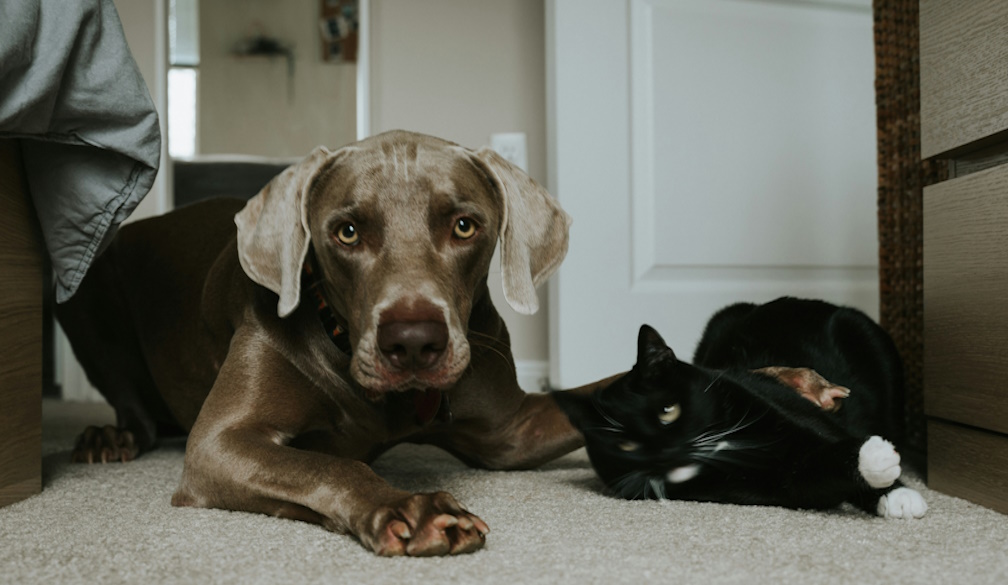
A new report released by Royal Canin reveals the deepening bond between Australians and their pets, and the growing tension between love and affordability.
Australians are loving their pets more than ever, but rising costs, online advice and rapid implementation of technologies are making caring for them more complex than ever.
The inaugural Royal Canin Future of Pets Report 2026, surveying more than 1,600 Australian pet owners and 100 Veterinary professionals, reveals how these pressures are reshaping the way pets are fed, treated and cared for across Australia.
While only five per cent of Australian pet owners believe social media influences their pet food decisions, 72 per cent of veterinarians report seeing nutrition choices shaped by online trends, including raw feeding and grain-free diets.
Veterinary experts warn that the growing volume of online advice is making feeding decisions more complex at a time when pets are living longer and their health needs are becoming more sophisticated.
Dr Annabel Robertson, Senior Veterinarian at Royal Canin, said many pet owners are trying to do the right thing, but navigating conflicting advice can be overwhelming.
“The explosion of online advice is making feeding decisions more complex than ever,” Dr Annabel said. “In a world of trends, science is still the most proven path, especially when nutrition plays such a critical role in lifelong health.”
"Veterinarians are trained to put science, evidence and the pet first. Yet that expertise is now competing with 60 second videos from unqualified influencers. The data is clear, owners don't think they're being influenced, yet vets are seeing the impact every day”.
“Even with the best of intentions, raw diets, grain-free trends and unbalanced home cooking are rarely supported by rigorous science. We need evidence back at the centre of the conversation," Dr Robertson explained.
The research also found that financial anxiety is widespread. 78 per cent of pet owners are concerned about veterinary care becoming unaffordable, yet 63 per cent have no pet insurance. This concern is well-founded, with 51 per cent of veterinarians reporting that between a quarter and half of their recommended treatments are now being declined due to cost.
Despite these pressures, owners remain deeply committed to their pets’ wellbeing. One in four Australian pet owners said they would pay more than $5,000 for a treatment that extends their pet's healthy life by five years, highlighting the strength of the human-animal bond and the growing focus on longevity.
Technology is reshaping expectations of care. Almost three quarters (73%) of Australian pet owners expressed interest in telehealth consultations, while 71per cent are interested in AI-powered health monitoring technologies that could help detect health changes earlier. However, veterinarians are cautious, with 86 per cent believing fewer than one quarter of consults can be safely managed remotely, reinforcing the irreplaceable role of physical examination.
Alongside advances in technology, interest in personalised and preventive nutrition is growing. The report found 68 per cent of Australian pet owners would consider nutrition tailored to their pet’s DNA, reflecting a broader shift towards more precise, individual approaches to pet health.
“We are entering an era where nutrition will become increasingly personalised, informed by data, genetics and lifestyle. That future depends on evidence-based nutrition developed through research, testing and veterinary expertise - not guesswork and trends,” Dr Annabel explained.
Looking ahead, the Report also shows owners expect pets to play an even greater role in everyday life. Nearly half (49%) of Australian pet owners want more public spaces accessible to pets, while 40 per cent support pet-friendly workplaces becoming the norm.
Veterinary professionals however anticipate growing complexity as expectations rise. More than half predict the vet-client relationship will become more challenging, as owners rely on online advice and emerging technologies to guide decision making.
Dr Annabel said the future of pet care will depend on balancing innovation with responsible, preventive health strategies.
“The future of pet care will not be defined by treatment alone. It will be defined by prevention, precision and trust in science.” Dr Annabel concluded.
As Australians' love for their pets deepens, the challenge for owners, vets and the broader industry will be ensuring quality care remains within reach.