Households Fear Built-In Obsolescence in Their Household Appliances
- Written by: The Times
Australian households are increasingly asking a frustrating and expensive question:
Why do modern household appliances appear to break so much sooner than older ones once did?
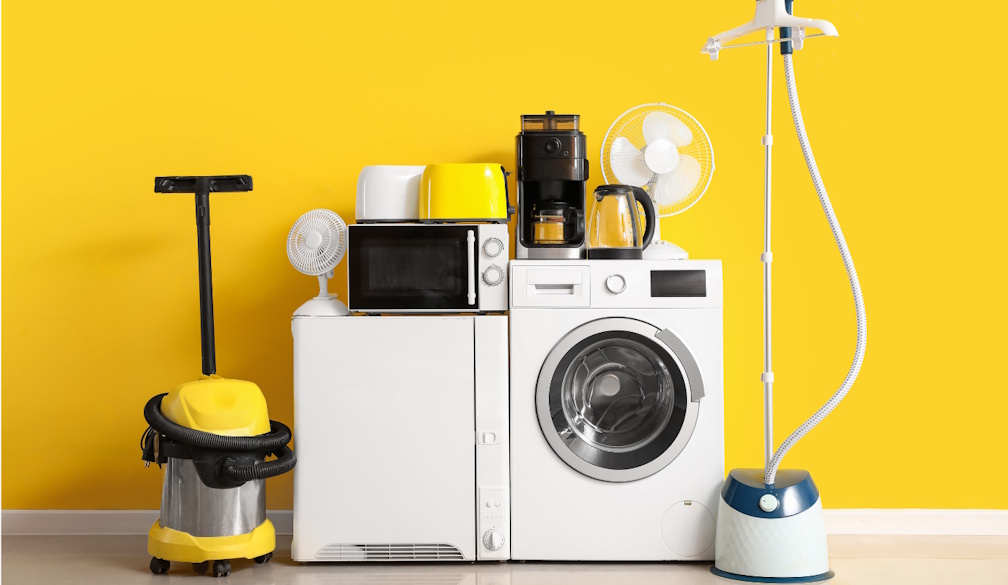
From refrigerators and washing machines to televisions, dishwashers, coffee machines and robot vacuum cleaners, many consumers now fear they are trapped in an era of “built-in obsolescence” — the belief that products are deliberately designed with limited lifespans to encourage replacement purchases.
Whether manufacturers intentionally engineer short lifespans remains fiercely debated.
But one thing is becoming undeniable:
many Australians no longer trust that expensive appliances will last.
That growing distrust is reshaping purchasing decisions inside Australian homes.
“My Parents’ Fridge Lasted 25 Years”
Across social media, online forums and consumer complaint groups, Australians regularly compare modern appliances with older machines that seemed almost indestructible.
Older refrigerators commonly lasted decades.
Washing machines were repaired rather than discarded.
Televisions often remained functional long after becoming technologically outdated.
Now many households report:
- circuit board failures
- expensive replacement parts
- software issues
- sealed units impossible to repair economically
- plastic components deteriorating
- repair costs exceeding replacement costs
Some consumers say appliances barely survive beyond warranty periods.
Whether perception or reality, the psychological effect is significant.
Australians increasingly feel they are renting reliability rather than owning durable products.
The Rise of Disposable Technology
Modern appliances are fundamentally different from earlier generations of household goods.
Today’s appliances increasingly contain:
- software systems
- sensors
- internet connectivity
- touchscreens
- digital control boards
- Wi-Fi modules
- smart home integration
These technologies provide convenience and energy efficiency.
But they also introduce complexity.
A mechanical washing machine from decades ago could often be repaired by replacing relatively simple parts.
A modern appliance may require specialised electronic diagnostics, proprietary software access or replacement modules costing hundreds of dollars.
Consumers increasingly discover that repairing a modern appliance can be economically irrational.
That reality fuels suspicion surrounding planned obsolescence.
Is Built-In Obsolescence Real?
The concept itself is not new.
“Planned obsolescence” has existed in economic debate for decades and refers to products being intentionally designed with limited useful life to stimulate future sales.
Manufacturers strongly reject accusations of deliberately producing unreliable products.
They argue modern appliances deliver:
- greater efficiency
- lower energy consumption
- more features
- lower manufacturing costs
- smarter automation
- improved environmental performance
Many also point out that consumers themselves often demand cheaper pricing, sleek designs and rapid technological innovation.
Durability can increase manufacturing costs substantially.
There is also the issue of consumer behaviour.
Some households replace appliances voluntarily to obtain:
- smart features
- lower energy bills
- modern aesthetics
- app integration
- newer technology
However, critics argue the economics of modern manufacturing increasingly favour replacement over repair.
That is where public frustration intensifies.
Repair Costs Shock Consumers
Many Australian households experience the same scenario.
An appliance fails.
A technician attends.
The diagnosis reveals:
- expensive electronic failure
- unavailable parts
- long delays
- high labour costs
Then comes the familiar sentence:
“You’re probably better off replacing it.”
Consumers often find this astonishing, particularly when the appliance itself may only be several years old.
Some modern refrigerators, televisions and washing machines now cost thousands of dollars.
Households increasingly ask:
if products are becoming more expensive, why do they appear less durable?
The Environmental Contradiction
There is also a growing environmental debate surrounding appliance longevity.
Governments encourage sustainability.
Consumers are told to reduce waste.
Yet millions of appliances are discarded globally each year.
Critics argue modern consumer culture increasingly encourages replacement cycles rather than longevity.
Electronic waste is becoming a major environmental concern.
Discarded appliances contain:
- metals
- plastics
- batteries
- refrigerants
- electronic components
Environmental groups increasingly argue product durability should become a core sustainability objective.
A washing machine lasting 20 years may ultimately be environmentally preferable to two machines lasting 10 years each.
The “Right to Repair” Movement Gains Momentum
Around the world, the “right to repair” movement is gaining political traction.
Advocates argue consumers should have:
- access to spare parts
- repair manuals
- software tools
- independent repair options
Critics of restrictive repair ecosystems say some manufacturers effectively discourage independent repairs through:
- proprietary parts
- software locks
- inaccessible designs
- warranty complications
Supporters of current systems argue modern appliances involve safety, cybersecurity and engineering complexities requiring controlled repair standards.
Australia has increasingly participated in this broader international debate.
Consumers want products they can maintain rather than discard.
Australian Households Under Financial Pressure
The timing of this frustration is important.
Australians are already facing:
- cost-of-living pressures
- mortgage stress
- rental increases
- rising insurance premiums
- energy costs
Unexpected appliance replacement can now create major financial strain for households.
A failed refrigerator or washing machine is not merely an inconvenience.
For many families, it becomes an emergency expense.
This economic pressure is changing purchasing behaviour.
Consumers increasingly research:
- warranty duration
- repairability
- reliability reviews
- spare parts availability
- long-term ownership costs
Cheap upfront pricing no longer automatically guarantees consumer confidence.
Premium Brands vs Budget Brands
Another interesting trend is emerging:
some consumers are returning to premium appliance brands believing they may offer longer-term reliability.
Others are moving in the opposite direction.
Some households now deliberately buy cheaper appliances because they no longer expect longevity regardless of price.
That creates a paradoxical market.
If consumers lose faith in durability entirely, they may become less willing to pay premium prices.
Manufacturers therefore face a growing trust challenge.
Smart Appliances Bring New Risks
The rise of connected “smart appliances” introduces additional concerns.
Some consumers now worry about:
- software support ending
- app compatibility disappearing
- cloud services shutting down
- security vulnerabilities
- forced updates
- digital lockouts
A traditional refrigerator simply cooled food.
A modern smart appliance may depend partly on software ecosystems beyond the consumer’s control.
This creates a new form of obsolescence:
digital obsolescence.
An appliance may physically function while software support gradually disappears.
What Consumers Can Do
Consumer advocates increasingly recommend households:
- research reliability records carefully
- check warranty conditions thoroughly
- investigate repair availability
- compare long-term operating costs
- retain receipts and documentation
- understand Australian consumer protections
Australians also possess protections under consumer law beyond standard manufacturer warranties.
Products are generally expected to remain reasonably durable for a period consistent with their price and intended use.
Many consumers remain unaware of these broader protections.
The Emotional Shift: Distrust
Perhaps the biggest issue is psychological.
Older generations often viewed major appliances as durable household investments.
Many Australians now view them as temporary technology products.
That shift changes consumer behaviour profoundly.
Instead of pride in ownership, many consumers increasingly feel suspicion:
- How long will this last?
- Can it be repaired?
- Will parts still exist?
- Is this designed to fail?
That erosion of trust may become one of the defining consumer issues of the modern electronics age.
The Future of Household Durability
Manufacturers face growing pressure from multiple directions:
- consumer frustration
- environmental concerns
- repair-rights activism
- regulatory scrutiny
- sustainability expectations
Some companies may respond by promoting durability and repairability as premium selling points.
Others may continue prioritising innovation cycles and replacement demand.
For Australian households already managing rising living costs, the issue is no longer abstract.
Every failed dishwasher, malfunctioning television or dead washing machine reinforces a growing public fear:
that modern households are being pushed into permanent replacement cycles where ownership itself has quietly become temporary.