How Do I Get Rid of My Old Sofa for Free?
- Written by: The Times
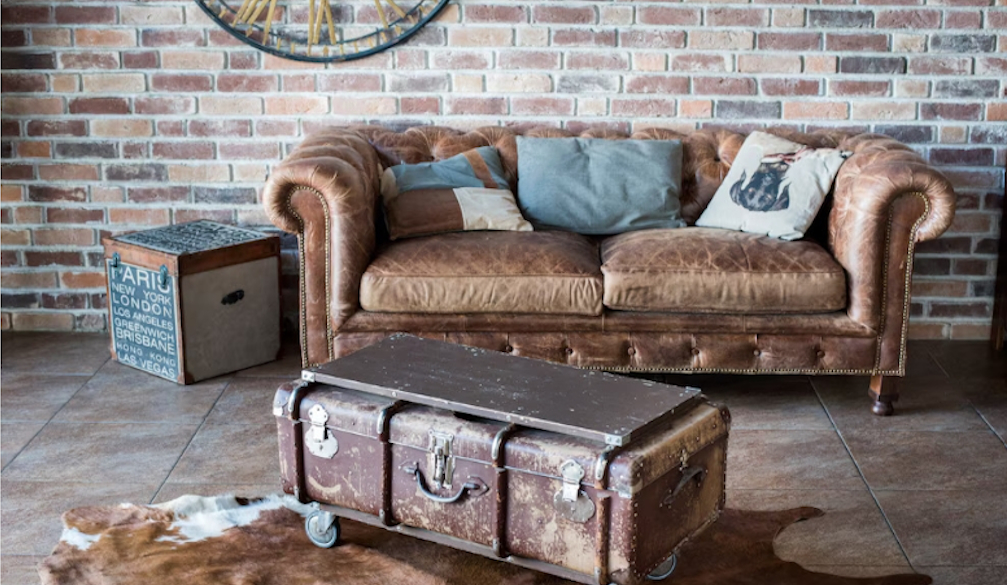
So, you've got an old sofa that's seen better days. Maybe it's taking up space in your living room, or perhaps you're just ready for a new look.
If you’re in Brisbane, you might be considering hiring Brisbane Removalists to help with the heavy lifting.
Whatever the reason, you're now faced with the challenge of getting rid of it. The good news is, there are several ways to dispose of your old sofa without spending a dime. In fact, with options like furniture donation with free pick up, you might even do some good for your community in the process.
Why Donate Your Old Sofa?
Before diving into the how, let's talk about the why. Donating your old sofa is not only a great way to get rid of it for free, but it also helps others. Many families and individuals are in need of furniture but cannot afford to buy new pieces. By donating your sofa, you're giving it a new lease on life and helping someone in need. Plus, it's an environmentally friendly option, keeping large items out of landfills.
Options for Getting Rid of Your Old Sofa
- Charity Organizations
One of the easiest ways to get rid of your old sofa is by donating it to a charity. Many charitable organizations offer furniture donation with free pick up, making the process hassle-free for you. Organizations like The Salvation Army, Goodwill, and Habitat for Humanity are great options to consider. They often have programs in place to pick up large furniture items from your home at no cost.
- Local Non-Profits and Shelters
In addition to national charities, there are many local non-profits and shelters that would be happy to take your old sofa off your hands. Shelters for women, the homeless, and refugees are constantly seeking furniture donations to support their residents. Reach out to these groups to see if they can arrange a pick-up.
- Online Marketplaces
If you're comfortable with a little more effort, online marketplaces like Craigslist, Facebook Marketplace, and Freecycle can be effective platforms to give away your sofa. Simply list your sofa for free, and you'll likely find someone in your community who needs it. This method allows you to arrange for the new owner to pick it up directly from your home.
- Community Groups and Social Media
Become a member of local community groups on social media platforms such as Facebook or Nextdoor. These groups often have members looking for free furniture, and posting about your available sofa can quickly connect you with someone in need. This method is also a great way to ensure your sofa stays within your local community.
- Curbside Giveaway
Provided it's permitted in your area, you can set your old sofa on the curb with a "Free" sign attached. Many people drive around looking for curbside giveaways, and your sofa might be just what they're looking for. Be sure to check local regulations first to avoid fines or complaints.
Preparing Your Sofa for Donation or Giveaway
To ensure a smooth process and make your sofa as appealing as possible, take a few steps to prepare it for its new home:
Clean It: Give your sofa a thorough cleaning. Vacuum any crumbs or pet hair, and spot-clean any stains. A clean sofa is more likely to be accepted by charities or picked up quickly by individuals.
Repair Minor Damage: If your sofa has minor damage, such as a loose leg or a small tear, try to fix it before donating. This increases the likelihood of it being accepted and appreciated by the new owner.
Take Good Photos: When listing your sofa online or in community groups, take clear, well-lit photos. This helps potential takers see the condition and style of the sofa.
Provide Accurate Information: Be honest about the condition of your sofa. Mention any flaws, dimensions, and whether it comes from a pet-free or smoke-free home. This helps manage expectations and ensures a smoother transaction.
The Environmental Impact of Donating Furniture
By donating your old sofa, you're contributing to a more sustainable world. Furniture is a significant contributor to landfill waste, and by extending the life of your sofa, you're helping to reduce this impact. The Environmental Protection Authority (EPA) reports that Americans discard over 12 million tons of furniture annually. Donating your sofa instead of discarding it helps reduce this staggering number and promotes a culture of reuse and recycling.
Conclusion
Getting rid of your old sofa doesn't have to be a daunting or costly task. With options ranging from charitable organizations offering furniture donation with free pick up to community groups and online marketplaces, you have plenty of avenues to explore. Not only will you free up space in your home, but you'll also be making a positive impact on someone else's life and the environment. So, take the first step today, and give your old sofa a new purpose.