5 Keto-Free Persian Dishes Found in Australia
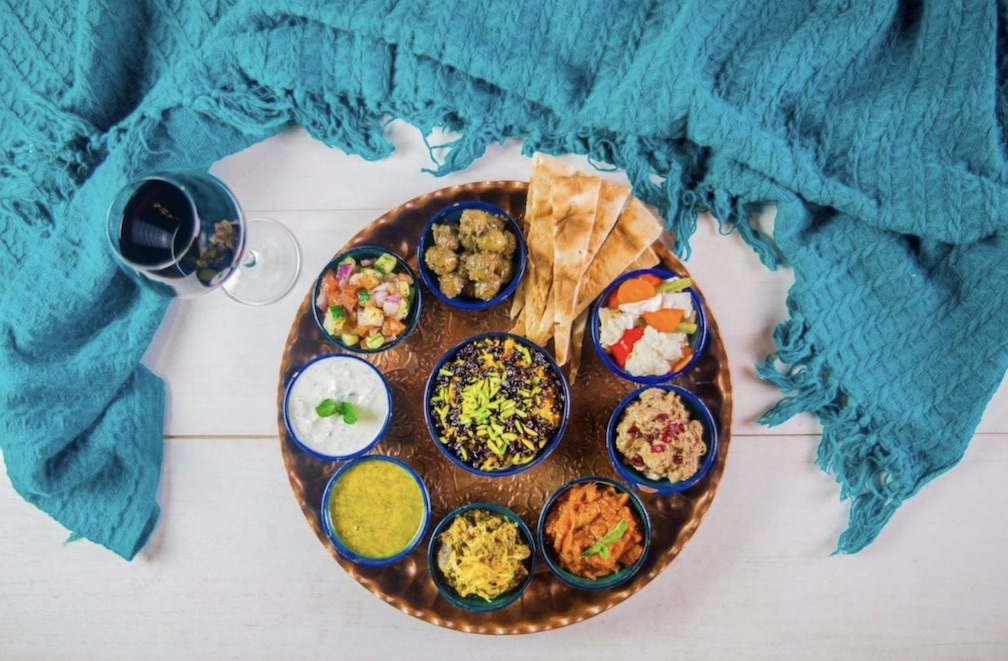
Finding Persian food that is keto-friendly or converting a Persian recipe to be keto-friendly is still not difficult, even among the high-carb Persian dishes.
Since Persian rice almost always appears in Persian recipes, most Iranian cuisine may appear high in carbohydrates. However, because rice is typically served with the main meal, it may be eliminated to make many Persian foods keto-friendly. Avoiding carbohydrates has always been difficult for those who follow the ketogenic diet, but doing so while visiting another nation can be very difficult.
Use a ketogenic diet and are contemplating finding a terrific keto-free Persian dish in Adelaide, Australia. This article will help you by suggesting 5 Persian keto-free specialties served in Naaz Fine Dining in Adelaide, a unique and savory dining restaurant in Adelaide, Australia.
1. Mirza Ghasemi
Iran's Qajar reign began when Mirza Ghasemi (Persian smoked eggplant dip) first became a typical dish among Iranians. Eggs, tomatoes, garlic, butter or oil, and eggplant are the main ingredients in this vegetarian Persian dish. Due to the highly minimal net carbs per serving, it is a beautiful keto-friendly dinner.
Although this meal is now freely accessible in most traditional eateries throughout Iran, its origins are in the northern Iranian province of Gilan. Therefore, be sure to include Mirza Ghasemi on your must-try bucket list if you ever wish to visit Gilan Province.
2. Pan Kebab or Kabab Tabei
In Persian cuisine, kababs play a significant role. If you can't access a barbeque, Persian Kabab Tabei (Pan Kabab) is an excellent option because it can be prepared in a pan. Making pan kabab only requires a few materials and a short amount of time.
Ground pork, onions, and spices are the main ingredients in this keto-friendly dish. Typically, it is served with tomato sauce or fried tomatoes.
3. Lamb Shank
Protein and fat levels in lamb shanks are high. Additionally, it is delicious and incredibly nourishing. Because it is often prepared over low heat, cooking lamb shank the Persian way takes a lot of time.
The shanks should first be marinated in a mixture of spices (salt, pepper, and turmeric) before being sautéed with onions and saffron. Add some water, then simmer them until they are just beginning to become golden. Garlic and seasonings are then added. Carrot and celery can also be included.
You may find lamb shank at most traditional Iranian restaurants and enjoy it because it is a well-liked dish in Iran.
4. Tahchin for the keto diet
In addition to having a distinctive flavor, Tahchin is among the most gorgeous Iranian foods. Persian saffron rice cake is another name for the dish tahchin. Delicious ingredients include rice, eggs, yogurt, butter, and occasionally chicken. You may use cauliflower rice instead of regular rice to make a Tahchin suitable for keto dieters.
Grate the cauliflower, then sauté it in a skillet with butter, salt, pepper, and saffron to make the cauliflower rice. Then, as instructed in the main recipe, add the yogurt and egg mixture. The remaining actions are the same as those in the authentic Persian Tahchin recipe.
5. Crispy Fish
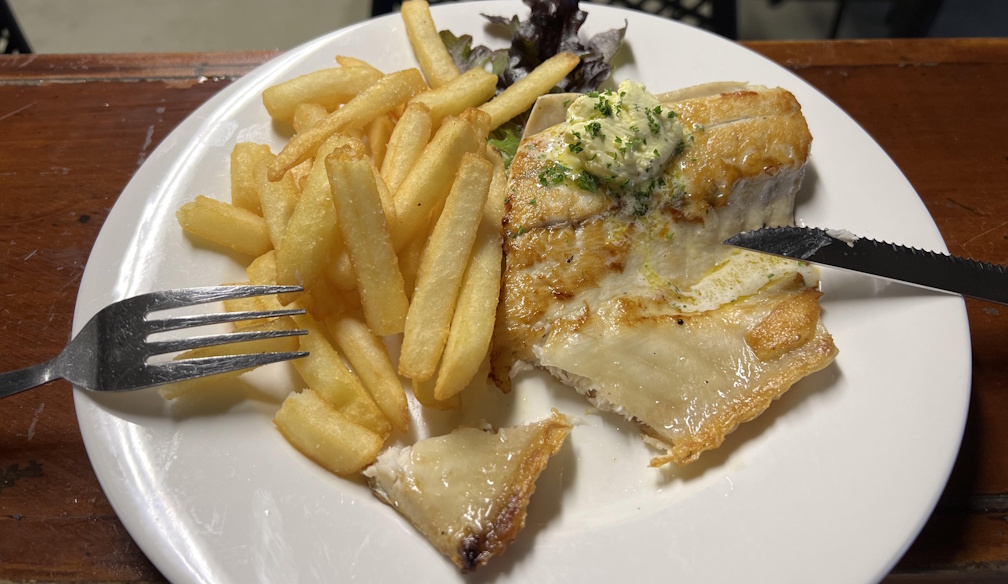
Seafood is a significant component of Persian cuisine in the north and south of Iran, where numerous cities are located close to the ocean. In Iran, fried fish is a typical seafood dish that is occasionally served with Sabzi Polo (herbal Persian rice). On the Persian New Year or Nowruz, fried fish is customarily served with Sabzi Polo. Since the keto diet excludes rice, you can prepare Sabzi Polo using cauliflower rice and spices to eliminate the carbohydrates.
All of these dishes, along with Persian keto-free appetizers, desserts, and tasty beverages, make for a delicious and satisfying Persian keto meal. In fact, Naaz Persian cuisine in Adelaide has supported its role among other Australian restaurants in paying enough attention to every diet you think of. You can learn more about their menu, the dishes mentioned, their recipes, and other healthy Persian food by visiting their website or contacting them directly.
To conclude:
Discover 5 Persian keto-friendly dishes in Adelaide, Australia, including Mirza Ghasemi, Pan Kebab, Lamb Shank, Tahchin, and Crispy Fish. Mirza Ghasemi is a vegetarian Persian dish with minimal net carbs, originating in the northern Iranian province of Gilan. Pan Kabab Tabei is a keto-friendly dish made with ground pork, onions, and spices, typically served with tomato sauce or fried tomatoes. Lamb shank is a high protein and fat dish with high protein and fat levels, often prepared over low heat. Tahchin, a Persian saffron rice cake, is a delicious dish with rice, eggs, yogurt, butter, and occasionally chicken. Caulin rice can be used instead of regular rice to make it keto-friendly. Crispy Fish is a seafood dish served with Sabzi Polo, an herbal Persian rice, and can be prepared using cauliflower rice and spices. These dishes and Persian keto-friendly appetizers, desserts, and tasty beverages make for a satisfying Persian keto meal. Naaz Persian cuisine in Adelaide supports its role in catering to various diets, and more information about their menu, dishes, recipes, and cooking tips can be found on their website or by contacting them directly.