Just joined a dating app? Here’s how to look after yourself and handle rejection
- Written by: Megan Willis, Associate Professor, School of Behavioural and Health Sciences, Australian Catholic University
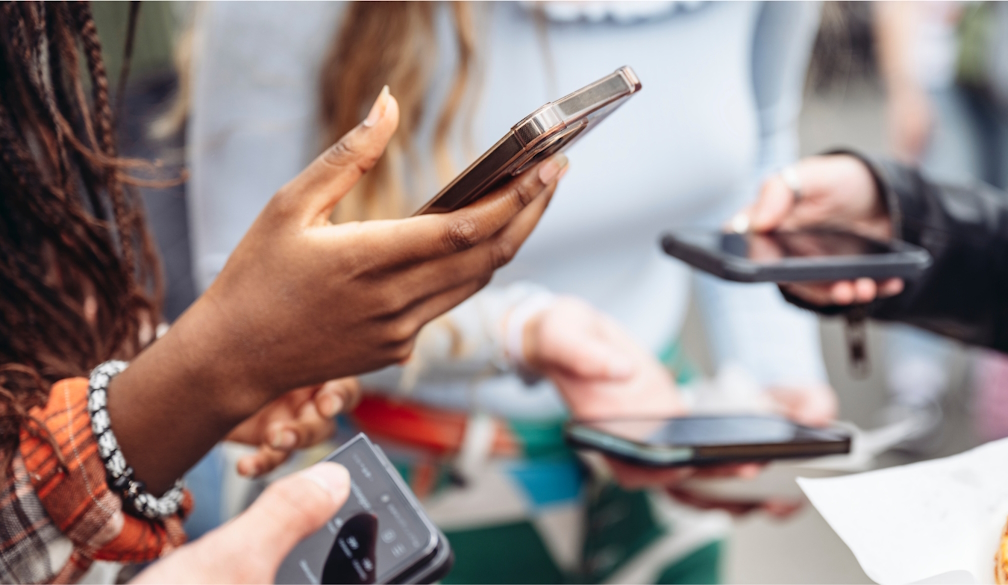
As the New Year rolls around, dating apps often see a surge[1] in new sign-ups. Some are dipping their toes in for the first time, while others are rejoining with renewed hope of finding love after a break.
The right swipe has undoubtedly led to many success stories – long-term relationships, marriages and babies.
But it has also produced countless tales of the darker side of dating apps. Highlights from my own dating app adventures include the reverse image search that revealed my match’s photos belonged to a Canadian actor, a “single” man who forgot to mention his wife, and the unsolicited dick pics, which I respond to by politely advising that I’m not that kind of doctor.
If you’ll be looking for love online in the new year, it helps to know what may lie ahead.
Prepare for rejection
Rejection is common on dating apps. A 2025 experimental study[2] that simulated dating app swiping found on average, participants rejected about 80% of profiles. Real-world data tell a similar story.
One study[3] using dummy profiles on Tinder found men received as little as 0.6% of matches for every right swipe, compared to 10.5% for women. The same study found even when a match occurs, conversation is far from guaranteed – 21% of women sent a message to a new match, compared to just 7% of men.
A 2019 analysis[4] of Hinge data indicated out of all potential matches (all profiles the algorithm showed users, based on their profiles and preferences), only 1 in 200 led to an actual conversation, and just one 1 in 800 resulted in an exchange of contact information.
Taken together, this suggests the likelihood of a single swipe progressing to a connection beyond the app is extremely low.
While dating apps open up the possibility of meeting people you might otherwise never encounter, the sheer volume of users can make people feel overwhelmed by choice[5]. Research[6] shows exposure to large numbers of potential partners makes people more selective and gives them a “rejection mind-set”.
Unsurprisingly, repeated rejection is not fun. And can lead[7] to lower mood and diminished self-esteem.
Ghosting
On dating apps, rejection often takes the form of ghosting[8] – when someone cuts off all communication without explanation. Some users see ghosting as a normal part of dating[9], particularly in short-term relationships[10].
Yet research[11] shows being ghosted can trigger anger, anxiety and distress for those on the receiving end, with the ambiguity of the rejection often leading to self-blame and rumination (getting stuck in repetitive, negative thoughts about what happened).
Sexual Violence
Dating apps also expose users to sexual violence at disturbingly high rates.
Research[12] from the Australian Institute of Criminology found almost three in four dating app users have experienced some form of online sexual violence.
This is most commonly sexual harassment, abusive or threatening language, and unsolicited sexual images. A further one in three users also reported experiencing in-person sexual violence from someone they met through a dating app.
Dishonesty
It is also common for people[13] to misrepresent themselves on dating apps. This can range from embellishing one’s height[14], weight or age to more extreme forms, such as catfishing[15], where people use a false or stolen identity to deceive others. A 2018 study[16] indicated around 20% of Tinder users were married or in a long-term relationship.
Discovering this kind of deception can trigger[17] anger, embarrassment, self-blame, and an erosion of trust that can make future interactions feel unsafe or daunting.
4 tips to look after yourself
Given these risks, it’s important to navigate dating apps in a way that protects your safety and wellbeing. Here are some tips to do just that.
1. Manage your expectations
Rejection and ghosting are common on dating apps, and it’s important not to personalise these experiences.
Expecting these things may occur can reduce the emotional shock when they do. If and when they do, seek support[18] from trusted friends and allow yourself[19] to feel disappointed without ruminating. Try reframing[20] these experiences as a product of dating app design rather than a reflection of your worth. One way to put this into practice is to say to yourself
I feel really disappointed this match didn’t work out, but it doesn’t mean there’s anything wrong with me. Dating apps are impersonal, and rejection is common.
2. Take it slow
Given misrepresentation is widespread on dating apps, it’s wise not to emotionally invest too quickly.
Always meet for the first time in a public place, share your location with a friend, and avoid putting too much hope into a match until you’ve met in person a few times and confirmed their story checks out.
3. Take a break if it’s getting you down
Repeated cycles of rejection, superficial interactions and harmful experiences can lead to what researchers call “mobile dating fatigue[21]”. This is marked by emotional exhaustion, cynicism and a decline in self-worth. Taking a break can be an important act of self-care that can allow an emotional reset.
4. Maintain a full life outside of the apps
Dating apps can become harmful when they begin to negatively impact[22] your mental health and psychological wellbeing.
Strong friendships[23], hobbies[24] and a sense of purpose[25] outside of dating apps can buffer against distress. They can also help ensure your sense of self isn’t being defined by dating app experiences but by parts of your life you can control.
References
- ^ surge (www.abc.net.au)
- ^ study (doi.org)
- ^ study (doi.org)
- ^ analysis (doi.org)
- ^ overwhelmed by choice (doi.org)
- ^ Research (doi.org)
- ^ lead (doi.org)
- ^ ghosting (doi.org)
- ^ normal part of dating (doi.org)
- ^ short-term relationships (doi.org)
- ^ research (doi.org)
- ^ Research (www.aic.gov.au)
- ^ common for people (doi.org)
- ^ height (doi.org)
- ^ catfishing (theconversation.com)
- ^ 2018 study (doi.org)
- ^ trigger (doi.org)
- ^ support (doi.org)
- ^ allow yourself (doi.org)
- ^ reframing (doi.org)
- ^ mobile dating fatigue (doi.org)
- ^ impact (doi.org)
- ^ Strong friendships (doi.org)
- ^ hobbies (doi.org)
- ^ sense of purpose (doi.org)