At least 12 dead in terrorist attack on Bondi Beach
- Written by: Alexandra Hansen, Deputy Editor and Chief of Staff, The Conversation
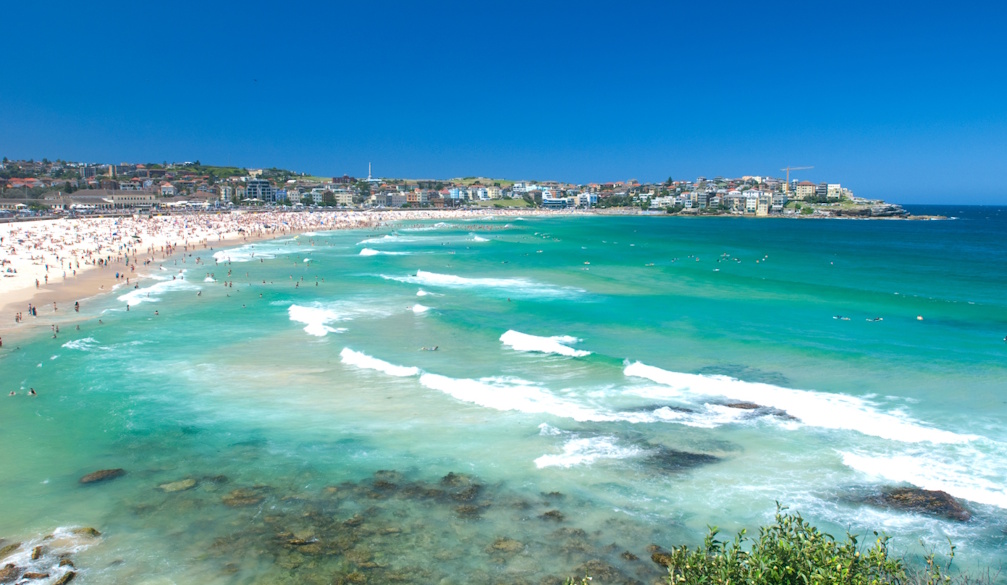
At least 12 people have been killed after two gunmen opened fire on a crowd at Bondi Beach at about 6.47pm on Sunday. Twenty-nine people were injured and taken to hospital, including two police officers. One of the gunman was among the dead. It is the deadliest mass shooting in Australia since the Port Arthur massacre in 1996.
A crowd of more than 1,000 had gathered to celebrate the first day of the Jewish festival Hanukkah. Bondi Beach is in the Sydney eastern suburbs, the heart of the Jewish community. New South Wales police have declared the shooting a terrorist attack.
Police confirmed one suspect had been taken into custody and was in serious condition. Another suspect was killed at the scene and police said they were investigating the possibility of a third offender. One of the attackers was known to authorities.
On Sunday evening, police were also investigating reports of an explosive device near the beach. New South Wales Police Commissioner Mal Lanyon confirmed an improvised explosive had been found in a car.
ASIO head Mike Burgess said Australia’s terrorism threat level remained at “probable[1]”. This means there is a greater than 50% chance of an onshore attack or attack planning in the next twelve months. “I don’t see that changing at this stage,” Burgess told reporters in Canberra on Sunday night.
Soon after the shooting began, horrific vision emerged on social media of people shot dead or injured, as well as footage of incredible acts of bravery from passersby trying to thwart the attack.
One video shows a bystander tackling a gunman from behind, wrestling his gun from him. Others were performing CPR on the injured on the beach.
A Jewish chaplain with blood on him spoke of trying to save people amid terrible scenes of people shot in the head. People fled as the attack unfolded, but some elderly people were unable to run.
Prime Minister Anthony Albanese described the scenes as “shocking and distressing”. “My thoughts are with every person affected.” In the wake of the attack he convened an emergency meeting of the National Security Committee of cabinet.
Albanese received a preliminary briefing from Australian Federal Police acting Deputy Commissioner Nigel Ryan and New South Wales Premier Chris Minns, who convened an emergency meeting of state cabinet. Albanese defended himself against criticism he had not taken antisemitism seriously enough.
“Australia is braver than those who seek to make us afraid […] we will see justice done, and we will come through this together,” he said.
“There are nights that tear at our nation’s soul in this moment of darkness,” Albanese said. “We must be each other’s light. Hold on to the true character of the country that we love.”
At a press conference on Sunday night, Minns said “This cowardly act of terrifying violence is shocking and painful to see, and represents some of our worst fears about terrorism in Sydney.” He asked Australians to “wrap their arms around” the Jewish community, and praised both the outpouring of love and support towards the Jewish community as well as the extraordinary demonstrations of courage in the wake of the attack.
Lanyon called for calm, and said this is “not a time for retribution”. He assured the public no stone would be left unturned in bringing those responsible to justice and ensuring there are no further attacks. “This type of disgraceful activity, this wanton use of violence, the taking of innocent lives is unacceptable to New South Wales.”
Independent federal MP Allegra Spender, who represents Bondi in her seat of Wentworth, also expressed her shock and horror.
Opposition Leader Sussan Ley also expressed her shock. “Australians are in deep mourning tonight, with hateful violence striking at the heart of an iconic Australian community, a place we all know so well and love, Bondi.
"Today we stand together as Australians against hate in this moment of profound tragedy and shock.”
In a statement[2], Israeli President Isaac Herzog said “our heart misses a beat”. He called on the Australian government to “take action to fight against the enormous wave of antisemitism which is plaguing Australian society”.
The Australian Imams Council issued a statement condemning the attack.
“These acts of violence and crimes have no place in our society. Those responsible must be held fully accountable and face the full force of the law,” the statement said.
“Our hearts, thoughts and prayers are with the victims, their families, and all those who witnessed or were affected by this deeply traumatic attack.”