Chalmers says latest Treasury modelling shows Australia’s inflation could reach 5%, as national cabinet meets on fuel
- Written by: Michelle Grattan, Professorial Fellow, University of Canberra
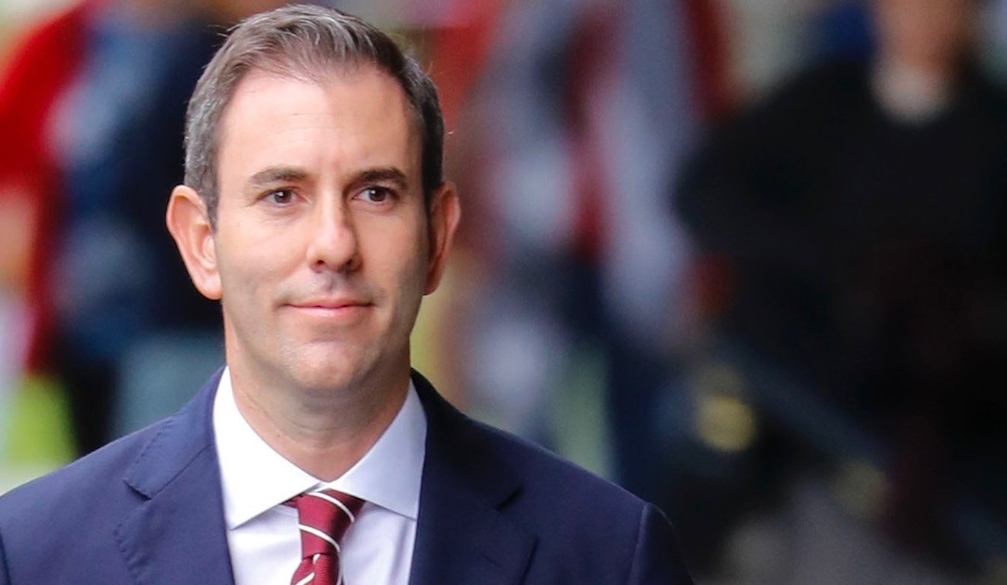
Australia’s inflation rate could peak in “the high 4s or even higher” this year, according to Treasury modelling, Treasurer Jim Chalmers says.
The latest modelling comes as Anthony Albanese prepares to meet state and territory leaders in a national cabinet hook up on Thursday to discuss the fuel crisis and announce a national coordinator-general to help address its issues.
Albanese has asked the governments to each appoint a “point person” to liaise with the Commonwealth. The meeting will hear and share information and discuss actions that can be taken.
Chalmers will give details of the Treasury modelling of the impact of the oil shock in a Thursday speech in Melbourne, released ahead of delivery.
Treasury has modelled scenarios. The shorter-term one has the oil price staying at $100 a barrel for the first half of the year, gradually returning to pre-conflict levels by year’s end. The second has it reaching $120 in the first half of the year then taking three years to return to its former price.
“While both scenarios could underestimate the cost, given where the oil price is and the uncertain duration of these events, they give us a sense of the second round impacts,” Chalmers says.
“Treasury’s latest advice is the war could cut GDP growth by up to 0.2 percentage points across our major trading partners.
"In both cases, inflation rises and growth is hit.”
The latest Treasury work takes account of the impacts of factors such as lower global growth and higher LNG, coal and fertiliser prices.
It indicates “headline inflation would peak ¾ of a percentage point higher in the short term scenario and 1¼ percentage point higher in the prolonged one.
"It means the prospect of inflation peaking in the high 4s or even higher this year is very real.
"In the short term case, output would be 0.2 per cent lower around the middle of this year but this gap would quickly close because the shock is short lived.
"But the more prolonged scenario would leave a bigger scar.
"There would be an immediate hit to output but it would build over time.
"Treasury estimates that GDP would be 0.6 per cent lower in 2027 and even by 2029 would still be below where it would have been without the conflict.
"Around half of the impact to GDP is due to the impact of higher oil. The other half is due to broader consequences.”
The estimates of the worsening outlook for inflation and growth come after Tuesday’s interest rate rise of a quarter of a percentage point and amid some suggestions Australia might be pushed into recession, although the government discounts the chances of that.
Soaring fuel prices and the rate rise mean many Australians are being hit with a double whammy.
Ahead of the national cabinet, New South Wales Premier Chris Minns said the biggest current concern was diesel supply, “which keeps trucks moving, farms and construction projects running and goods and food getting around the state”.
Minns said NSW wanted to see “a national plan that sets out a clear escalation pathway, including what further actions may be taken if the conflict continues and conditions worsen”.
Albanese said the government was conscious of shortages in some areas, especially of diesel, and had taken action including to release 20% of the national fuel reserve.
He said Australia had its largest fuel reserves in 15 years and also emphasised that scheduled ships carrying fuel were arriving. “All of our ships have arrived at this point in time, but we’ve had a surge in demand, which is leading to some shortages in some areas, particularly of diesel.”
Chalmers says the Middle east conflict “will be a defining influence” on the May 12 budget.
Chalmers sets out principles for his tax reform
In this speech Chalmers also sets out the principles that will underpin his plans to reform taxation in the budget.
He says the budget will be focused on “three ambitious reform packages”. These will be a savings package, a productivity and investment package, and a tax package.
The first principle, on tax reform, will be the recognition “an outdated tax system is weighing on the opportunities faced by younger Australians and future generations.” Changes would focus on intergenerational responsibilities.
He says as a second principle, the government was focused on “better incentivising productive business investment, if we can afford to”.
The third principle was to make the system “simpler and more sustainable”.
Chalmers says the Middle East crisis is a stark reminder of why it was urgent to address the three economic challenges: budget repair, productivity and tax reform.
The economic uncertainty and volatility meant more reform was needed, not less. “It’s a reason to go further, not slower.”
EU President here next week as government close to finally nailing trade deal
The president of the European Commission, Ursula von der Leyen, will visit Australia from Monday to Wednesday next week, with the government expecting to clinch the long-awaited free trade deal with the EU.
The finalisation of the agreement must be at leadership level, with the issue of access for Australian red meat to Europe among issues still to be resolved.