Why does grass make my skin itch?
- Written by: Deryn Lee Thompson, Lecturer in Nursing, University of South Australia
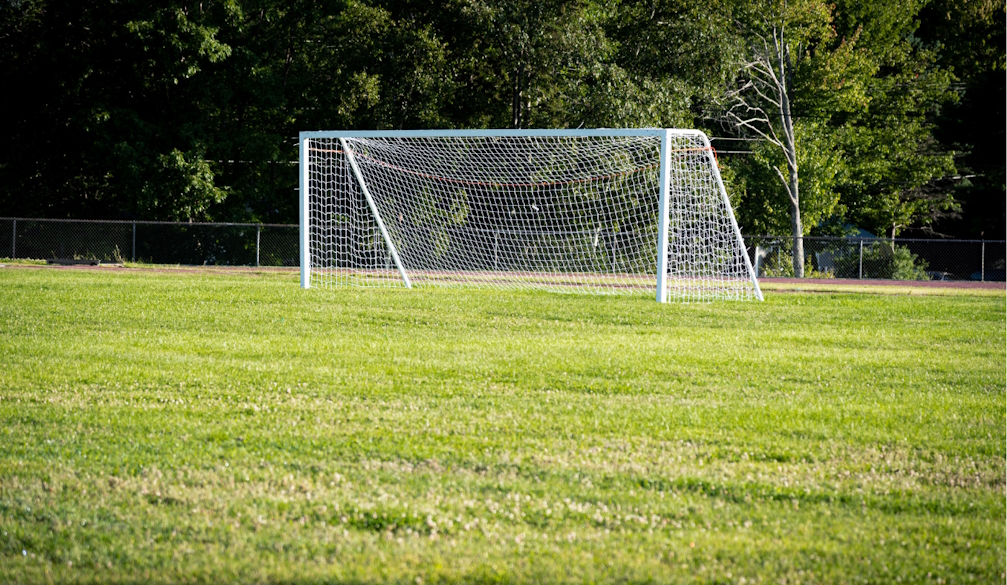
So, you’ve enjoyed a picnic in the sunshine. Or you’ve sat on the grass for a twilight concert. But you’ve come away with itchy and scratchy skin.
Could you have an allergy to grass? Or is something else going on?
Grass has tiny hairs
One possible reason we get a rash is the physical structure of grass itself.
Blades of grass[1] are covered in tiny “hairs” (called trichomes), which you can view under a microscope.
These help protect the grass from being eaten by insects or animals, damaged by ultraviolet rays or losing too much water.
Trichomes can also cause tiny scratches to the skin and the skin reacts by becoming red and may feel itchy.
Some species of grass are also firmer or stiffer so may feel more “scratchy” when people sit on them.
Skin is a complex organ and is linked to the immune system. When irritated, the skin and immune system recognise something is happening and release complex chemicals that can cause redness and itching[3].
People with dry, red, itchy skin conditions often find their skin is extra sensitive to grass and other irritants like fertilisers or sprays. For example, if you have eczema (also called dermatitis) your skin looks and feels dry, as your skin barrier is damaged[4].
Could it be an allergy?
Grass allergy involves aero-allergens[5], that is, the grass pollen in the air. Symptoms include runny or a stuffy nose, itchy nose and eyes and even itchy ears.
If you have these symptoms allergy specialists may perform a skin prick test[6] to identify particular aero-allergen triggers.
After the allergist takes your detailed history, drops of various allergens are placed on the forearm, along with a positive and negative control. A sterile lancet pricks the skin through the drop. After 15 minutes the test is read, with positive reactions showing a “wheal and flare” response (a lump like a mosquito bite and redness). The allergist then interprets the findings.
But, in the absence of hay fever-like symptoms, dermatologists may perform allergy patch testing[7] to investigate contact allergies (dermatitis) to specific plants, for example Compositae[8].
In a patch test the dermatologist places a series of small chambers (or sticky dots) on the back, each one containing a different potential allergen. The test takes several days to produce results. If a reaction develops under a test chamber, the dermatologist may confirm allergic contact dermatitis.
But definitive results are tricky as these two allergy tests can’t tell you if your rash is from physical irritation – such as the tiny scratches – rather than an allergy.
How can I avoid it?
The best way to reduce physical irritation problems with grass it to limit contact. This could involve simple things like wearing long sleeves or pants, or sitting on a rug or towel.
Many Australians do have dry skin, but do not often realise how dry it is. So, applying a basic thick moisturiser[9] to the face and body skin can help place a barrier between the grass and the skin. Sunscreen is also recommended when outdoors.
For people who have dry, red or itchy skin conditions or those who experience itchiness when sitting on the grass, taking antihistamines[11] a minimum of 30 minutes before you sit on the grass may help lessen the itchiness.
How can I calm my skin?
If you do develop a an irritant rash, here are a few tips. You could try
-
taking an antihistamine[12]
-
rinsing skin with tepid water
-
washing off the potential irritants with a non-soap-based bland body cleanser can be helpful[13]. Then, re-apply a layer of thick, bland, fragrance-free moisturiser.
If none of these measures help, see a pharmacist for advice on using an appropriate strength cortisone cream which may help reduce[14] the symptoms.
Be aware of more serious signs of an allergic reaction[15]. If in addition to red bumps and itchiness, other symptoms such as shortness of breath, cough, wheeze, chest tightness or facial swellings develop while sitting on the grass, people may need urgent medical care.
References
- ^ Blades of grass (bmcplantbiol.biomedcentral.com)
- ^ Syawal art/Shutterstock (www.shutterstock.com)
- ^ cause redness and itching (www.jacionline.org)
- ^ skin barrier is damaged (pmc.ncbi.nlm.nih.gov)
- ^ aero-allergens (www.allergy.org.au)
- ^ may perform a skin prick test (www.allergy.org.au)
- ^ allergy patch testing (dermnetnz.org)
- ^ Compositae (pmc.ncbi.nlm.nih.gov)
- ^ basic thick moisturiser (toolkit.eczemasupport.org.au)
- ^ dekazigzag/Shutterstock (www.shutterstock.com)
- ^ antihistamines (allergyfacts.org.au)
- ^ antihistamine (allergyfacts.org.au)
- ^ can be helpful (toolkit.eczemasupport.org.au)
- ^ help reduce (www.healthdirect.gov.au)
- ^ allergic reaction (www.allergy.org.au)
Read more https://theconversation.com/why-does-grass-make-my-skin-itch-243046