Could China's beef tariff finally make steak cheaper in Australia?
- Written by: The Times
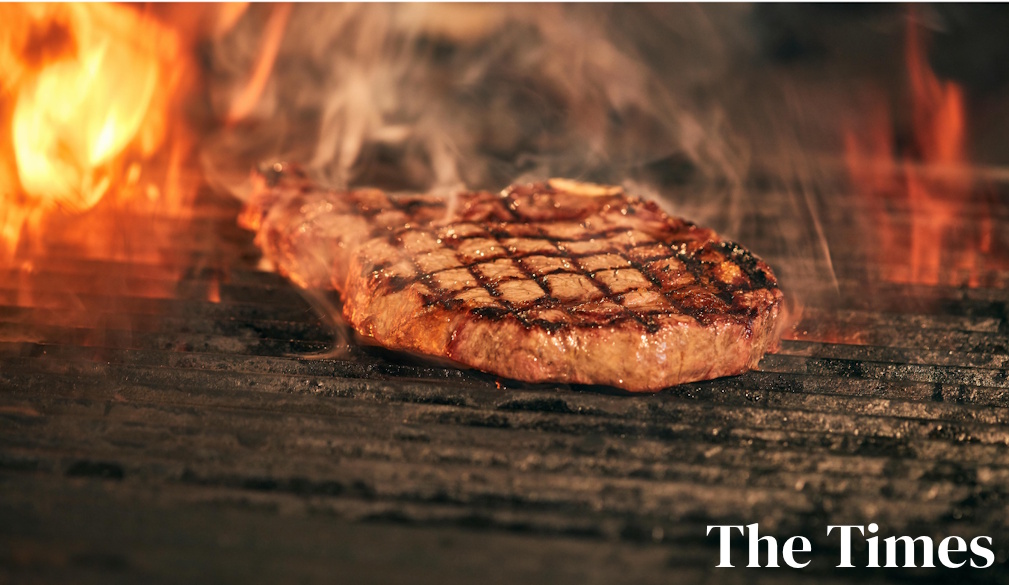
Australian consumers have become accustomed to paying premium prices for beef.
Whether shopping at a supermarket, local butcher or ordering a steak at a restaurant, many Australians have noticed that beef prices remain stubbornly high.
That has led to an obvious question following China's latest move on Australian beef imports.
If China imposes a 55 per cent tariff on imports above its annual quota, could more Australian beef remain at home and eventually push local prices lower?
The answer is yes — but probably not immediately.
China has warned Australia that exports exceeding its annual beef quota may soon attract an additional 55 per cent tariff. Australia's quota for 2026 is approximately 205,000 tonnes, around one-third lower than the volume exported to China in recent years. Once the quota is reached, additional shipments become significantly less competitive because of the tariff.
For Australian cattle producers and exporters, China remains one of the most valuable markets in the world.
For Australian consumers, however, the situation raises an interesting possibility.
If exporters find it more difficult to sell beef into China, some of that product may need to find alternative markets.
Basic economics suggests that when supply increases relative to demand, prices come under pressure.
That does not necessarily mean shoppers will suddenly see bargain-priced rib-eye steaks next week.
The Australian beef market is connected to a global trading system. Exporters can redirect product to other countries including Japan, South Korea, the United States, Southeast Asia and the Middle East. The Australian industry has become increasingly diversified since earlier trade disruptions with China several years ago.
Nevertheless, if Chinese demand weakens substantially because of the tariff, additional supply is likely to enter international and domestic markets.
Some analysts believe the restrictions could reduce Australian beef exports to China by as much as one-third, potentially affecting more than $1 billion in trade.
If that occurs, domestic consumers may eventually benefit from greater availability of some beef cuts.
The effect would probably be most noticeable at the wholesale level first, before flowing through processors, distributors, supermarkets and independent butchers.
There are also other factors influencing beef prices.
Australia is rebuilding cattle numbers after periods of drought and herd reductions. Feed costs, transport expenses, labour costs, energy prices and supermarket competition all influence the final price consumers pay.
As a result, export market disruptions do not automatically translate into lower prices at the checkout.
The broader question is whether Australians should pay some of the highest beef prices in the world despite being one of the world's largest beef-producing nations.
For years, Australian producers have benefited from strong export demand. That demand has helped support farm incomes, regional communities and export earnings.
Consumers, however, often wonder why locally produced beef can sometimes feel like a luxury item in the country that produces it.
China's quota and tariff system may provide an unexpected test.
If less Australian beef heads overseas, Australians will soon discover whether additional supply really can make steak more affordable at home.
Many households would certainly welcome the experiment.