Australia’s defence posture faces growing scrutiny in an uncertain Asia-Pacific region
- Written by: The Times
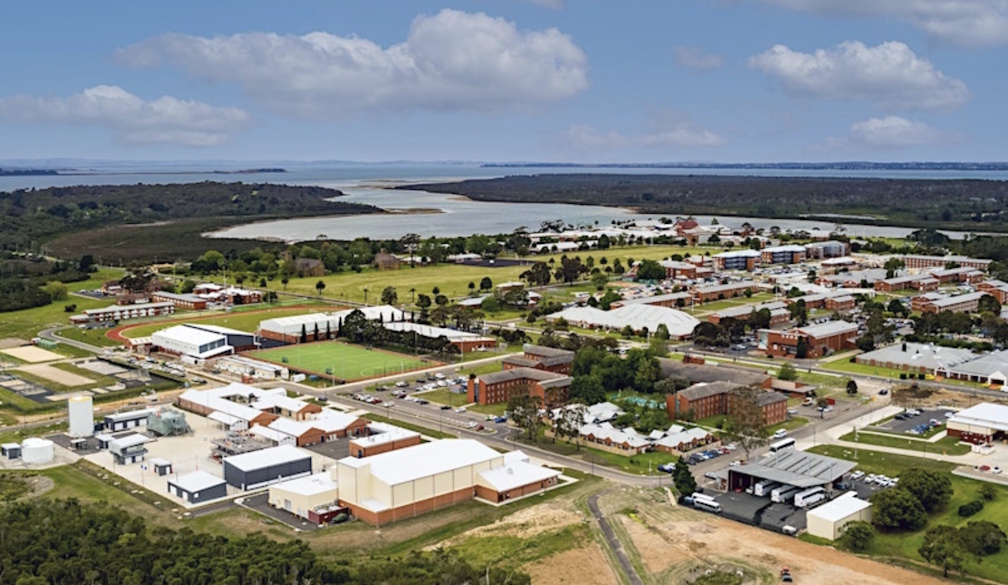
Australia is spending hundreds of billions of dollars modernising its defence forces as strategic tensions rise across the Asia-Pacific region.
From nuclear-powered submarines under the AUKUS agreement to advanced missile systems, drones, frigates and long-range strike capabilities, the country is attempting one of the largest defence transformations in its modern history.
But a growing debate is emerging among defence analysts, military personnel and strategic commentators:
Is Australia genuinely prepared for a serious regional conflict?
The question extends far beyond military hardware.
It involves personnel, recruitment, industrial capacity, logistics, supply chains, allied support and whether Western defence manufacturers can actually deliver the equipment Australia has ordered.
Recruiting challenges across all services
The Australian Defence Force continues facing recruitment and retention challenges across the Army, Navy and Air Force.
Modern military operations require highly trained technical personnel, cyber specialists, engineers, intelligence analysts, pilots, naval crews and logistics experts. Competition from the private sector has intensified pressure on defence recruiting.
The Royal Australian Navy faces particular workforce pressure as it prepares for a future nuclear-powered submarine fleet under AUKUS while also operating destroyers, frigates, patrol vessels and support ships.
Training nuclear submarine crews is not a rapid process. It requires years of highly specialised education and operational experience.
The Royal Australian Air Force is also expanding capabilities with F-35 Joint Strike Fighters, P-8 Poseidon surveillance aircraft, Growler electronic warfare aircraft and advanced drone systems requiring highly technical support teams.
The Australian Army meanwhile continues shifting toward long-range strike capability, missile systems and integrated joint-force operations designed for the realities of modern warfare.
Military assets continue expanding
Australia's defence capability now includes advanced naval destroyers, Collins-class submarines, F-35 stealth fighters, amphibious assault ships, surveillance aircraft and expanding missile programs.
Billions are also being invested in northern Australian bases, fuel storage, logistics facilities and defence infrastructure.
The government argues these investments are necessary due to increasing instability in the Indo-Pacific region and rapid military expansion by China.
Defence planners increasingly focus on long-range deterrence rather than the older concept of defending only the Australian mainland.
The strategic environment has changed significantly since the post-Cold War period when Australia enjoyed relatively low regional military tension.
The civilian workforce behind defence
Modern defence capability depends heavily on civilian support staff and private contractors.
Defence procurement, cyber security, maintenance, software systems, logistics and infrastructure increasingly rely upon private industry partnerships.
Thousands of Australians work in defence-adjacent industries building ships, maintaining aircraft, supporting communications systems and developing advanced technologies.
Major Australian defence contractors and suppliers now operate in South Australia, Western Australia, Victoria, Queensland and New South Wales.
Shipbuilding programs in Adelaide have become central to Australia's long-term naval strategy while Western Australia continues expanding as a naval sustainment hub.
Yet concerns remain regarding whether Australia's industrial base is large enough to sustain prolonged military operations independently if international supply chains were disrupted.
Can U.S. defence contractors deliver?
One of the largest strategic questions surrounding AUKUS and broader defence procurement is whether American defence manufacturers possess sufficient production capacity.
The United States remains Australia's most important military ally and primary defence technology supplier. However, the U.S. defence industrial base is already under pressure supporting Ukraine, maintaining NATO commitments and responding to rising Indo-Pacific tensions.
Production delays, cost overruns and stretched manufacturing capacity have raised questions internationally about whether Western defence industries can expand quickly enough for modern strategic competition.
Australia's future nuclear submarine program alone represents one of the most ambitious defence acquisitions in Australian history.
Critics argue Australia may become overly dependent on foreign supply chains and foreign political decisions during periods of international instability.
Supporters counter that close integration with the United States and the United Kingdom strengthens Australia's long-term security position and access to advanced technologies.
The AUKUS equation
The AUKUS partnership between Australia, the United Kingdom and the United States represents far more than submarines.
It includes cooperation involving cyber warfare, artificial intelligence, quantum technologies, undersea systems, missiles and advanced defence innovation.
Supporters see AUKUS as essential for maintaining strategic balance in the Indo-Pacific region.
Critics question both the enormous financial cost and whether Australia risks becoming too deeply integrated into future American military strategy.
Others argue Australia has little choice given the changing strategic environment.
China's rapid military expansion, naval growth and increasing regional influence continue reshaping defence policy across the Asia-Pacific.
Is Australia ready?
Australia possesses highly professional military personnel and increasingly advanced technology.
But modern warfare depends not only on equipment. It depends on industrial capacity, energy security, cyber resilience, supply chains, manufacturing capability and public readiness.
Questions remain about ammunition stockpiles, fuel reserves, domestic manufacturing and how quickly Australia could scale military operations during a prolonged crisis.
The geographic reality of Australia also creates enormous logistical challenges. Vast distances, relatively small population numbers and dependence on maritime trade routes complicate defence planning.
Many experts argue Australia's greatest strategic strength remains its alliances.
Others believe the country must accelerate sovereign defence manufacturing and become less reliant on overseas supply chains.
What is increasingly clear is that defence policy is no longer a distant issue discussed only by military strategists in Canberra.
The changing security environment across the Asia-Pacific means questions surrounding Australia's defence posture are becoming part of a much broader national conversation.