


One Nation Eyes A National Breakthrough As Major Parties Face Voter Revolt
- Written by: The Times
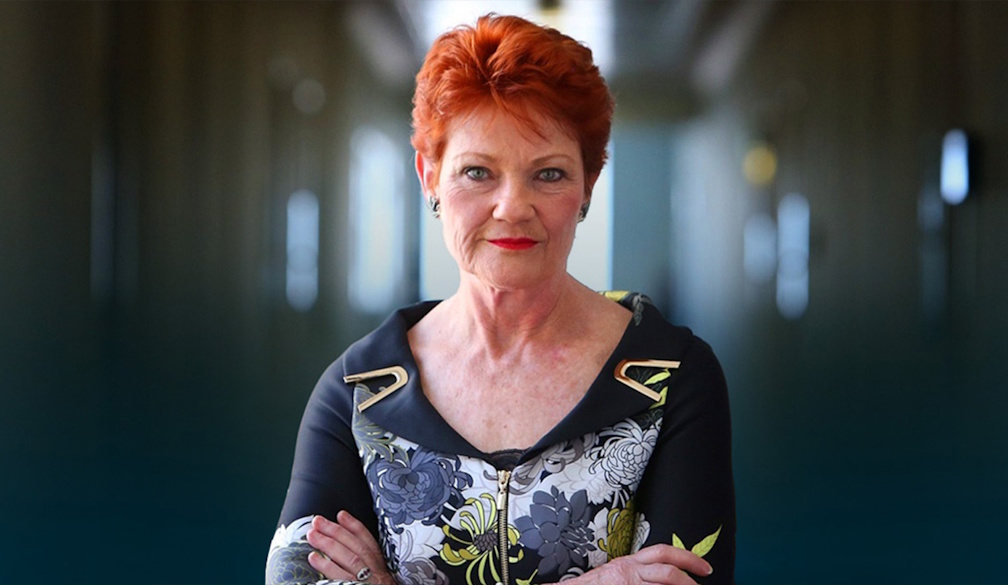
Australia’s political landscape is shifting again, and this time Pauline Hanson and One Nation believe the conditions are aligning for one of the party’s strongest federal performances in years.
With cost-of-living pressures continuing to dominate household conversations, growing frustration over immigration levels, regional discontent, fuel prices, housing affordability and distrust of the major parties, One Nation is increasingly positioning itself not simply as a protest movement, but as a genuine electoral force capable of reshaping the Senate and potentially influencing lower house contests around the country.
The party is now openly discussing opportunities well beyond its traditional Queensland heartland.
Candidates are being prepared for seats across regional Australia, outer metropolitan suburbs and Senate tickets nationwide, with strategists convinced that a fragmented political environment is creating a rare opening.
The momentum is being watched carefully by both Labor and the Coalition.
Momentum Building Beyond Protest Politics
For years, One Nation was often dismissed by critics as a “single-cycle” protest party that surged during periods of voter anger before retreating again.
This time may be different.
The political environment has become structurally favourable for smaller parties and independents. Australians are increasingly splitting their votes, abandoning traditional party loyalties and rewarding candidates who present themselves as outsiders willing to challenge Canberra orthodoxy.
The rise of the Teals demonstrated that voters are prepared to break decades of voting habits. One Nation believes conservative and working-class Australians are now undergoing a similar transition.
Recent commentary from One Nation figures has focused heavily on:
- Immigration levels and housing demand
- Rising energy and fuel costs
- Government spending and national debt
- Concerns about free speech and cultural issues
- Rural and regional representation
- Cost pressures facing retirees and workers
The party also senses vulnerability within the Coalition vote base, particularly among voters who believe the Liberals and Nationals have become too cautious, too city-focused or too aligned with bureaucratic and corporate interests.
In many regional electorates, One Nation preferences and primary votes may become decisive.
Senate Success Could Be The Real Prize
While lower house victories attract headlines, experienced political observers understand that the Senate is often where smaller parties achieve their greatest influence.
One Nation’s realistic pathway to power may not involve sweeping into government benches, but instead building a larger Senate crossbench capable of influencing legislation, demanding amendments and forcing negotiations with the government of the day.
In a closely divided parliament, even one or two additional senators can dramatically alter political calculations.
This is particularly relevant if Labor struggles to secure reliable Senate support from the Greens and independents on future economic or taxation measures.
One Nation sees itself as appealing to voters who feel politically homeless:
- Traditional Labor voters frustrated with rising living costs
- Regional voters sceptical of climate policies affecting industry
- Conservative voters disappointed with Coalition compromises
- Small business owners concerned about regulation and taxation
- Older Australians worried about declining living standards
The party’s Senate strategy appears increasingly disciplined compared with earlier election cycles.
Coalition With The Coalition?
One of the most closely watched questions remains whether One Nation and the Coalition could eventually develop a more formal relationship.
Officially, both sides maintain distance.
The Coalition understands that openly embracing One Nation risks alienating moderate metropolitan voters. Meanwhile, One Nation benefits politically from presenting itself as independent from the Liberal and National parties.
Yet political realities can produce practical cooperation.
On many issues — particularly energy policy, regional development, law and order, and criticism of government spending — there is already substantial overlap between One Nation and sections of the conservative side of politics.
Preference arrangements, Senate negotiations and issue-by-issue parliamentary cooperation may become increasingly common if electoral fragmentation continues.
The Nationals in particular may face pressure in some regional seats where One Nation believes disillusioned conservative voters are searching for alternatives.
The risk for the Coalition is obvious: ignore One Nation and lose conservative voters permanently; move too close and risk losing centrist support in metropolitan Australia.
Candidate Selection May Decide Everything
If One Nation is serious about expanding nationally, candidate quality will become critical.
Minor parties often rise quickly on public frustration but struggle to maintain credibility if candidates are inexperienced, controversial or unable to withstand media scrutiny.
Modern campaigns are relentless. Every social media post, interview, business history and personal controversy can become front-page news within hours.
That means candidate selection may ultimately determine whether One Nation becomes a lasting national force or simply enjoys another temporary surge.
Successful candidates will likely need:
- Strong local recognition
- Media discipline
- Community involvement
- Credibility on economic issues
- Ability to connect with working and middle-class voters
- Resilience under political and media pressure
The party also faces the challenge of broadening beyond personality politics.
Pauline Hanson remains the movement’s defining figure and greatest electoral asset, but long-term expansion will require credible second-generation leadership capable of building durable state and regional networks.
A Warning Sign For The Major Parties
Whether One Nation wins large numbers of seats or not, its growing visibility reflects something deeper occurring in Australian politics.
Voters are increasingly restless.
The old assumption that Australians naturally rotate between Labor and the Coalition every few years is weakening. Instead, many voters now move between independents, minor parties and major parties depending on the issue and the mood of the country.
That volatility creates danger for established political machines.
It also creates opportunity for parties capable of capturing public frustration before it fades.
One Nation believes that moment may have arrived again.










