King Charles Visits America: Why He Went—and What Was Actually Achieved
- Written by: The Times
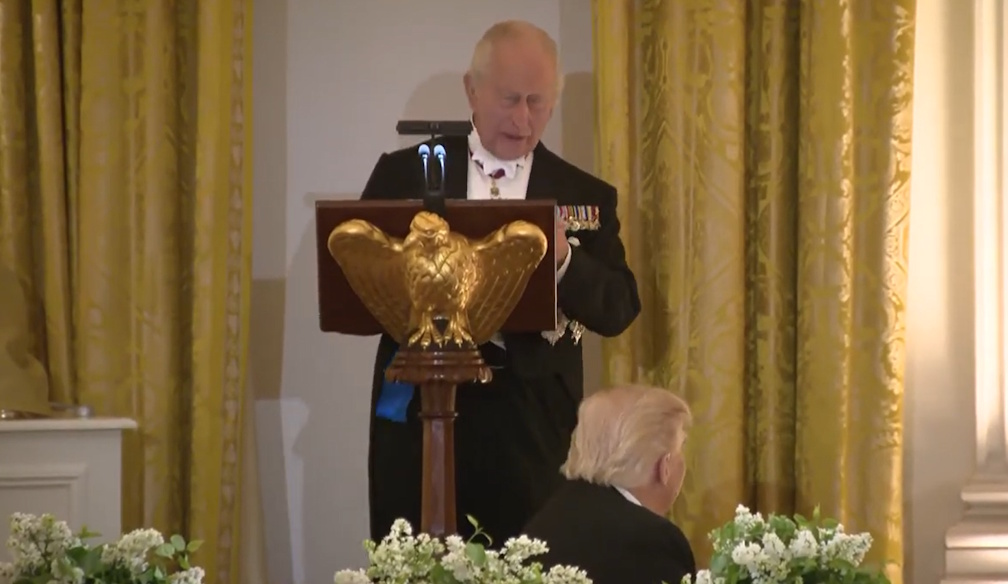
When King Charles III touches down in the United States, it is never just a ceremonial visit. In an era where monarchy must justify its relevance, and where geopolitics increasingly intersects with soft power, such a trip carries layered objectives—diplomatic, economic, environmental, and symbolic.
So why did King Charles visit America, and what—if anything—was achieved?
The Purpose: More Than a Royal Tour
At face value, royal visits are about tradition: strengthening ties between allies, celebrating shared history, and reinforcing diplomatic goodwill.
But this visit was more targeted.
1. Reinforcing the “Special Relationship”
The United Kingdom and the United States maintain what is often described as the “special relationship”—a deep alliance spanning defence, intelligence, trade, and culture.
By visiting Washington and engaging with Joe Biden and senior officials, King Charles III was effectively acting as a high-level ambassador, reinforcing stability and continuity in the relationship during a period of global uncertainty.
This matters particularly as both nations navigate:
-
Strategic competition with China
-
Ongoing support for Ukraine
-
Economic recalibration post-pandemic
2. Climate Diplomacy: Charles’ Core Mission
If there is one defining theme of Charles’ public life, it is environmental advocacy.
Long before it was politically fashionable, he was warning about sustainability, biodiversity loss, and climate change. His visit to the U.S. was, in many ways, an extension of that mission.
Expectations centred on:
-
Engagement with American climate leaders
-
Support for green investment initiatives
-
Reinforcement of transatlantic cooperation on emissions reduction
His involvement aligns with frameworks emerging from events like COP28, where global coordination is essential but often politically difficult.
3. Economic and Cultural Influence
Royal visits also carry commercial undertones.
The monarchy is a powerful brand—arguably one of the UK’s most valuable exports. Engagements with business leaders, philanthropists, and cultural institutions are designed to:
-
Promote British industries (including sustainability, fashion, and design)
-
Strengthen investment flows between the UK and US
-
Elevate the global profile of British institutions
This is soft power deployed with economic intent.
The Optics: Symbolism Still Matters
Modern diplomacy is not just about outcomes—it’s about perception.
A visit by King Charles III carries symbolic weight:
-
Continuity following the reign of Queen Elizabeth II
-
Stability within the Commonwealth and broader alliances
-
A reminder of historical ties, even in a republic that rejected monarchy
Public appearances, speeches, and ceremonial moments are carefully calibrated to project:
-
Respect
-
Partnership
-
Shared values
What Was Actually Achieved?
This is where the analysis becomes more nuanced.
Royal visits rarely produce hard policy outcomes. They are not treaty negotiations. Instead, their success is measured in influence, access, and momentum.
1. Strengthened Diplomatic Channels
The visit reinforced direct engagement between UK and US leadership.
While King Charles III does not set policy, his presence:
-
Opens doors
-
Encourages dialogue
-
Provides a neutral platform for cooperation
In diplomacy, access often matters as much as agreements.
2. Climate Agenda Visibility
Charles succeeded in placing climate issues firmly on the agenda.
His credibility—built over decades—gives him a unique platform to:
-
Advocate for long-term environmental thinking
-
Bridge political divides
-
Encourage private sector participation
While no single visit changes policy, it contributes to a cumulative pressure effect on governments and corporations.
3. Reinforcement of Soft Power
The UK’s global influence increasingly relies on soft power—culture, institutions, diplomacy, and reputation.
This visit:
-
Reaffirmed the monarchy’s role in global engagement
-
Strengthened Britain’s visibility in the U.S.
-
Supported broader diplomatic and economic objectives
In an era where traditional power is contested, this matters.
4. Commercial and Philanthropic Engagement
Meetings with business leaders and foundations often lead to:
-
Investment discussions
-
Collaborative initiatives
-
Funding for environmental and social projects
These outcomes are rarely immediate or publicly detailed, but they form part of a longer pipeline of engagement.
What Was Not Achieved
It’s equally important to be clear about limitations.
-
No binding agreements were signed
-
No major policy shifts were announced
-
No immediate economic impact was visible
Critics argue that such visits are largely symbolic—expensive exercises in diplomacy with limited tangible return.
Supporters counter that influence is rarely measurable in real time.
The Strategic Context
The visit must be viewed against a broader backdrop:
-
A shifting global order
-
Rising geopolitical tensions
-
Increasing importance of climate policy
-
Economic uncertainty in both the UK and US
Within this environment, even symbolic acts can carry strategic weight.
Why It Matters to Countries Like Australia
For nations such as Australia, which maintain close ties to both the UK and the US, these visits have indirect implications.
They signal:
-
Continued alignment among Western allies
-
Stability in key partnerships
-
Ongoing collaboration on defence, trade, and climate
Australia operates within this network, meaning shifts—or reaffirmations—at the top ripple outward.
The Bottom Line
King Charles III’s visit to the United States was not about headline-grabbing deals or immediate policy wins.
It was about:
-
Reinforcing alliances
-
Advancing a long-standing climate agenda
-
Leveraging the monarchy’s soft power
-
Maintaining Britain’s relevance on the global stage
In a transactional sense, the achievements may appear modest.
But in diplomacy, particularly at this level, success is often incremental, intangible, and only fully understood in hindsight.
The real measure of the visit will not be what was announced—but what quietly moves forward in the months and years that follow.