Hospital funding in Australia — and who pays when an illegal modified e-motorbike hits a pedestrian
- Written by: The Times
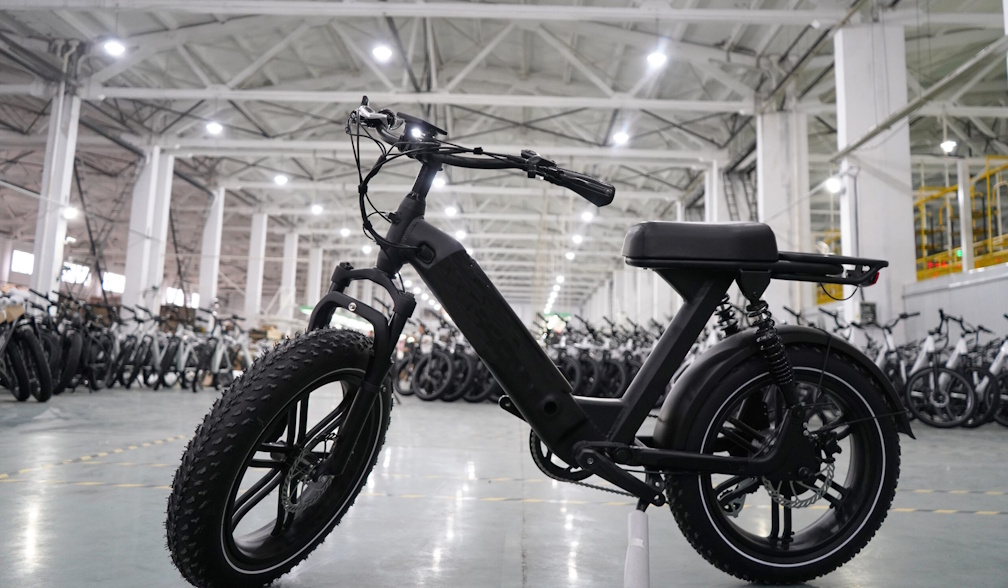
When a pedestrian is cleaned up by someone riding an illegally modified electric “motorcycle” (often sold as an e-bike but operating like a small dirt bike), the first question most people ask is moral: why should taxpayers pick up the tab for someone else’s stupidity? The second question is practical: does the rider’s insurance pay… and what if there is no insurance because the thing is illegal?
Australia’s answer is blunt: the hospital treats first, and the money arguments happen later. But “later” can still mean serious dollars—and depending on which state you’re in and what the vehicle is legally considered to be, the pathway to compensation can range from straightforward to messy.
This piece breaks down:
-
how Australian public hospitals are funded
-
what actually happens financially when an injured pedestrian turns up in ED
-
who can be pursued for costs/compensation when the rider is uninsured or on an illegal vehicle
-
why this is becoming a live policy fight as e-mobility explodes
1) Who funds hospitals in Australia?
The short version
Public hospitals are funded by both levels of government—the Commonwealth and the states/territories—under national agreements that set the rules for contributions and reporting.
The longer version (the machinery)
-
States and territories run public hospitals (they employ staff, manage networks, run EDs and wards).
-
The Commonwealth contributes funding to states/territories for public hospital and related services under the National Health Reform Agreement (NHRA).
-
A large part of the funding logic is Activity Based Funding (ABF)—hospitals are funded based on the number and mix/complexity of patients treated (not every service is ABF, but it’s a core pillar).
In plain English: if the ED treats more injured people, the system tracks that activity and funding flows through the national/state framework—along with a lot of rules, caps, and political arguments.
How big are the shares?
A Parliamentary Library overview (using reported totals) shows public hospital funding coming mostly from state/territory budgets, with a substantial Commonwealth share and a smaller non-government share.
This split is exactly why hospital funding becomes a recurring national argument—states carry operational heat, while the Commonwealth controls large revenue levers and sets national policy settings.
2) “Who pays?” on the day of the crash
The emergency department doesn’t ask whose fault it is
If you’re the pedestrian and you’re hurt, the public hospital’s job is to stabilise you. Medicare and the public hospital system are designed to deliver urgent and necessary care without a fault-based gate at the front door.
If you’re treated as a public patient in a public hospital, you generally aren’t billed for accommodation and treatment that’s clinically necessary for that admission. The funding flows through the government system described above.
Ambulance is a separate bill (and varies by state)
Ambulance charging is a state/territory matter and can be free/subsidised in some places and billable in others, depending on local rules and whether you have cover (state schemes, private cover, concessions). That’s often the first out-of-pocket surprise for people—separate from the hospital episode.
So the “payer” is mostly taxpayers—initially
On day one, the financial reality is:
-
Hospital costs are socialised through Commonwealth + state funding.
-
The injured person may have little or no immediate hospital bill as a public patient.
-
The argument about who should ultimately carry the loss shifts into the compensation and recovery systems.
That’s where the illegal modified e-motorbike complicates things.
3) When a modified “e-bike” is really an uninsured motor vehicle: compensation pathways
There are two different questions people jumble together:
-
Who funds the hospital treatment? (answered above: the public system, upfront)
-
Who compensates the pedestrian for losses? (medical out-of-pocket, rehab, lost income, care needs, pain/suffering depending on state rules)
That second question depends on (a) the state/territory, (b) whether the incident is classed as a “motor vehicle accident”, and (c) whether there’s CTP coverage or a fallback scheme.
A) If it’s a registered motor vehicle with CTP: the conventional pathway
For cars and motorcycles that are properly registered, CTP (compulsory third party) insurance is the standard channel for personal injury compensation.
B) If it’s unregistered/uninsured: many states have a “Nominal Defendant” / fallback mechanism
In multiple jurisdictions, if the at-fault vehicle is unregistered/uninsured (or even unidentified), claims can be made through a statutory fallback—commonly described as a Nominal Defendant arrangement—subject to strict notice/time requirements.
Examples from official and legislative sources:
-
NSW: Motor Accident Injuries law provides for claims against a Nominal Defendant where a vehicle is uninsured/unidentified, and guidelines emphasise tight timing for statutory benefits claims in those scenarios.
-
Queensland: MAIC guidance says if the vehicle can’t be identified or is unregistered (and therefore not insured), you can lodge a claim against the Nominal Defendant.
-
South Australia: SA’s CTP scheme information indicates you can still lodge a claim where the at-fault vehicle is unregistered/unknown.
Key point: even if the rider is a clown on an unregistered machine, the pedestrian may still have a pathway to compensation—if the incident is treated as a motor vehicle accident under that state’s rules and if time limits and evidentiary requirements are met.
C) The nasty twist: an “e-bike” may be argued not to be a “motor vehicle” for some statutory benefits
This is where illegally modified devices cause chaos.
There have been disputes (including determinations referenced in practitioner commentary) about whether certain e-bikes fall within the definition of a “motor vehicle” for the purposes of motor accident statutory benefits in NSW.
If a device is treated legally as not a motor vehicle for the relevant scheme, the injured pedestrian may be pushed away from the clean CTP channel and toward:
-
a civil negligence claim directly against the rider (and possibly owner/parent if applicable), and/or
-
other statutory supports depending on the circumstances.
That’s a massive practical problem because an uninsured individual often can’t pay, even if you “win” in court.
D) Victoria’s structure is different again (TAC)
Victoria’s Transport Accident Commission (TAC) is its own universe. The TAC’s eligibility and indemnity/recovery settings can differ depending on registration/charges and circumstances; TAC policy material also makes clear there are scenarios where benefits may not be payable (for example, certain unregistered contexts on private land) and that TAC may seek recoveries in uninsured situations.
Translation: don’t assume one national rule. The same crash can produce materially different compensation outcomes depending on the state line.
4) “Does the hospital chase the idiot for the bill?”
Usually, public hospitals don’t operate like debt collectors for trauma care. The system is designed so care is delivered and the funding is handled through government allocations and intergovernmental agreements.
But the compensation system can shift costs in practice:
-
If the pedestrian makes a successful CTP-style claim (or equivalent statutory claim), treatment/rehab costs can be met through that scheme (depending on rules), reducing out-of-pocket and shifting the burden away from the general pool.
-
Where a scheme pays out but the at-fault party was uninsured/unregistered, some schemes have recovery mechanisms (for example, TAC policy material contemplates recovery from an uninsured driver/owner in certain contexts).
So while the hospital itself isn’t typically issuing an invoice to the rider for the ED resus bay, the broader system can pursue recovery through scheme mechanics—again, state-dependent.
5) The pedestrian’s “real-world” checklist after an incident
If you’re the pedestrian (or acting for them), the practical steps are boring but decisive:
-
Police report immediately (especially if the vehicle is illegal/unregistered or the rider flees).
-
Identify the device: photos, brand, any plate/serial, rider details, witnesses, CCTV. The legal classification (e-bike vs motorcycle) can dictate the compensation pathway.
-
Keep every medical record and receipt (ambulance, pharmaceuticals, physio, parking—everything).
-
Contact the relevant state scheme/authority early (time limits can be brutal, especially for nominal defendant / unidentified or uninsured matters). NSW guidance explicitly flags tight timeframes in uninsured/unidentified scenarios.
-
Get advice early if there’s any doubt the device is legally a motor vehicle—because that classification fight can make or break the claim.
6) Why this is a growing policy fight: illegal e-motorbikes are punching holes in a funding model built for cars
Australia’s public hospital funding framework was built around predictable categories: registered vehicles, CTP, clear fault pathways, and mature scheme data.
But e-mobility has created a new class of road risk:
-
devices that look like bikes but behave like motorcycles,
-
riders (often young) with no licence, no registration, no CTP,
-
growing enforcement operations and political pressure to clarify definitions and rules.
At the same time, hospital funding remains a hot national negotiation topic—states argue about the Commonwealth share and the adequacy of funding while demand rises.
That combination matters: if more injuries arrive through pathways that are hard to attach to insurance recoveries (because the device is illegal, unregistered, or definitionally “not a motor vehicle”), then more cost stays inside the broad taxpayer-funded pool—and the politics gets uglier.
7) So, who pays?
On the night in ED
Taxpayers do—through the public hospital system funded by the Commonwealth and the states/territories under the NHRA framework and activity-based funding mechanics.
Over the months that follow
It depends:
-
If the incident falls cleanly within a CTP / motor accident scheme, the pedestrian’s costs and losses may be met there (and the scheme may pursue recoveries where permitted).
-
If the device is unregistered/uninsured, a Nominal Defendant / fallback claim may exist (state dependent), but time limits and eligibility are critical.
-
If the device is argued not to be a “motor vehicle” for scheme purposes, the pedestrian may be left with civil litigation against an individual—often the least satisfying path because enforcement of judgments is only as good as the defendant’s ability to pay.
The uncomfortable truth
Even when the law provides a compensation pathway, society still carries a meaningful share of the risk—either directly through hospital funding, or indirectly through schemes that spread the cost across premiums/registration charges and public administration.
Which brings us back to the point most Australians intuitively understand: if you allow high-powered illegal “bikes” to operate in public without registration, licensing, and insurance, you are effectively socialising the downside.