Will drivers who paid Victoria's electric vehicle tax be able to get their money back?
- Written by: Eu-Jin Teo, Senior Lecturer, The University of Melbourne
Electric vehicle owners in Victoria couldn’t be blamed for wondering if they might get their money back after the High Court[1] found the state’s zero and low-emission vehicle road-user charge to be unconstitutional.
The government, facing massive budgetary pressures - don’t mention the Commonwealth Games[2] - might also have its own questions to ask about the court putting an end to the tax.
Better known as the “EV tax” (and dubbed by its critics as the worst electric vehicle policy[3] in the world), the charge meant that a registered owner of an electric or hydrogen vehicle had to pay the state government 2.8 cents for each kilometre that the vehicle travelled on public roads. Plug-in hybrid vehicle owners were charged at a lower rate of 2.3 cents.
What the court found
A majority of the justices held that this state “charge” was, in reality, an excise tax. Under the Constitution, only the federal parliament may impose excise taxes.
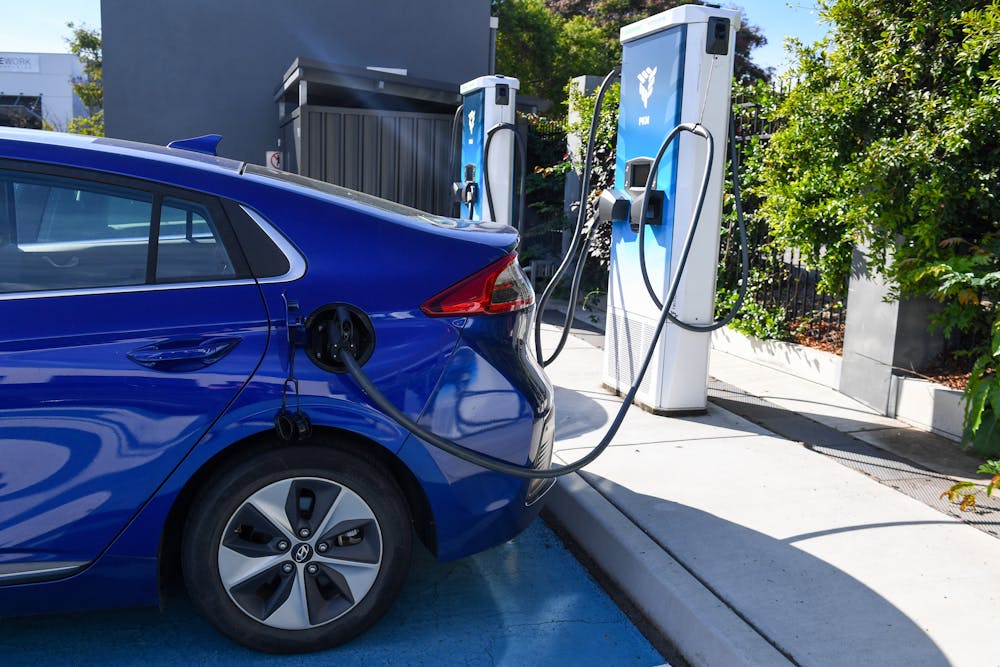
Victoria has, as a result, had to stop collecting this tax. Other states that were thinking of imposing such taxes have also put their plans on ice.
The state reportedly had hoped to raise $30 million [5]through this tax over a four-year period. Since its introduction in 2021, about $5 million has been collected.
So, what happens with this money now?
Is there a legal obligation for the state to pay a refund?
One might think that, if tax may be exacted only under valid laws, and a law is shown to have been invalid from its inception, surely it would be axiomatic, if not common sense, that it would be necessary to return the money?
You could be forgiven for thinking so.
However, as has been observed: the law is an ass[6] (at least sometimes).
To get technical, the availability of restitution from public authorities (for instance, in relation to invalid demands for money) is an intractable issue which has been the subject of much debate.
Specifically, the legal position in Australia on the recovery of unconstitutional taxes remains unsettled.
The law can get tricky
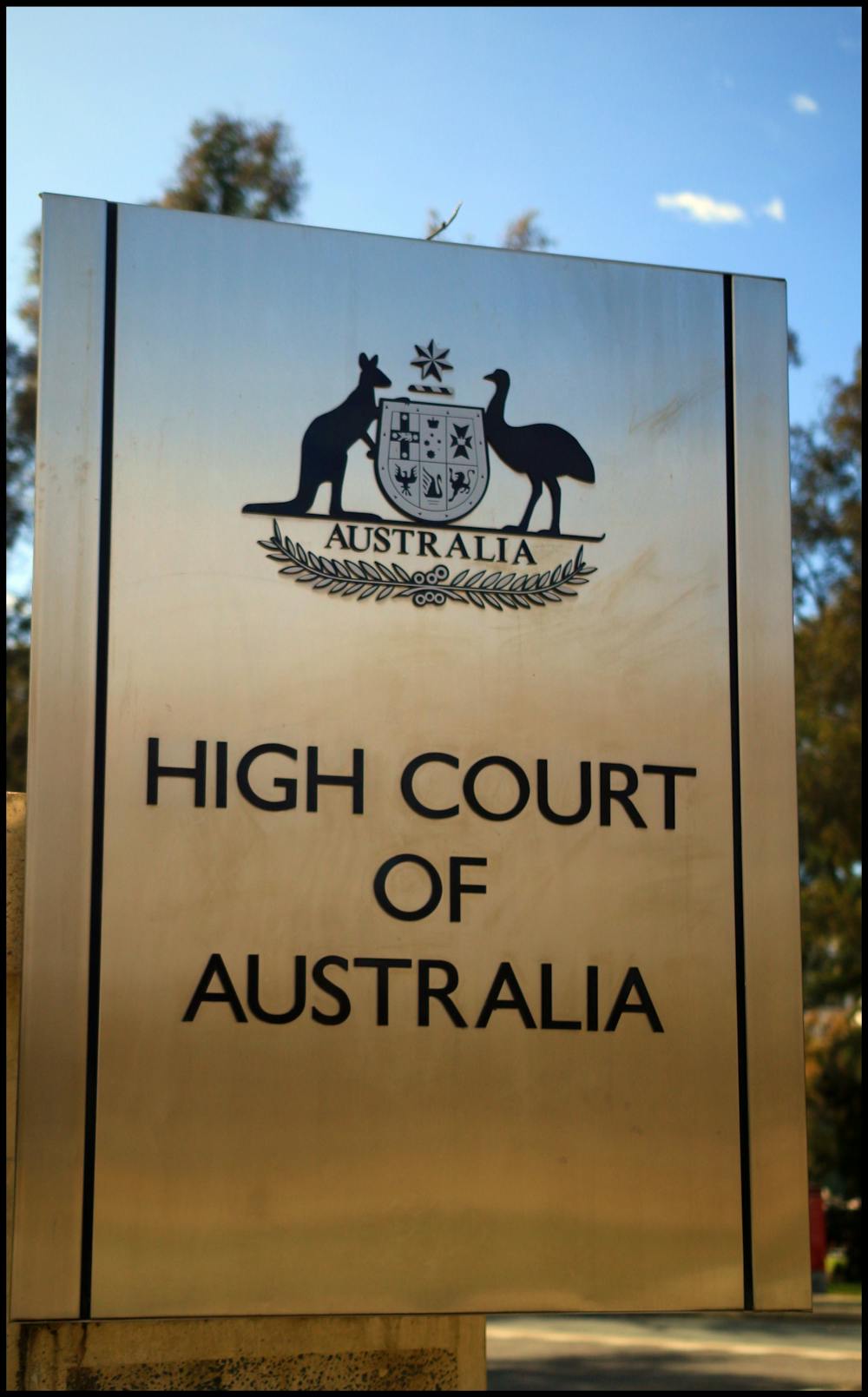 The High Court ruled the tax was an excise and could only be imposed by the Commonwealth.
Shutterstock
The High Court ruled the tax was an excise and could only be imposed by the Commonwealth.
Shutterstock
There currently appears to be no general right to a refund based solely on the invalid nature of a tax.
Oh, if only things were that straightforward.
Instead, a claimant is required to establish that, for example, the tax was paid due to a mistake of law (for instance, as to the validity or applicability of the purported tax).
Or that the tax was paid because of legally unfounded threats made to the taxpayer by the authorities.
However, with $378 being about the average amount of the tax paid by each vehicle operator per year, litigation to recover the tax might prove to be uneconomical.
The case-by-case nature of the enquiry required into whether a particular claimant actually made a mistake or was in fact baselessly threatened, might also make a class action difficult.
But wait, there’s more! Victoria’s statute of limitations states:
despite anything to the contrary in any other Act, if money paid by way of tax or purported tax is recoverable because of the invalidity of an Act or provision of an Act, a proceeding for the recovery of that money must (whether the payment was made voluntarily or under compulsion) be commenced within 12 months after the date of payment.
Put simply, this means that, even if a vehicle operator has satisfactory evidence to establish a legal entitlement to restitution of the invalid tax paid, recovery of the full amount of the tax that has been paid over the years may not be possible.
I say “may”, if only because the validity of this provision of the statute is itself not beyond constitutional doubt.
Read more: It's good the High Court overturned Victoria's questionable EV tax. But there's a sting in the tail[7]
All is not lost
Fortunately for those who’ve paid the tax, Victoria’s road transport regulator, VicRoads, has reportedly said that, although specifics regarding the timeline and amount are still to be determined, a refund process will definitely be put in place.
Otherwise, Victoria may not be able to have its excise but might, effectively, still get to keep it.
References
- ^ High Court (www.hcourt.gov.au)
- ^ Commonwealth Games (www.9news.com.au)
- ^ worst electric vehicle policy (australiainstitute.org.au)
- ^ AAP (photos.aap.com.au)
- ^ $30 million (www.carexpert.com.au)
- ^ the law is an ass (www.enotes.com)
- ^ It's good the High Court overturned Victoria's questionable EV tax. But there's a sting in the tail (theconversation.com)